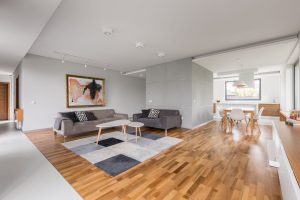
Choosing the right flooring for each room can make your home more comfortable, attractive and easier to maintain. When learning how to choose flooring for each room, consider how the space is used, how much foot traffic it receives, how often it gets wet and how much maintenance you are willing to do. The best flooring for a kitchen may not be suitable for a bedroom, while a hallway needs a surface that can withstand daily wear.
With so many options available, including laminate, vinyl, tiles, hardwood, engineered wood and carpet, it helps to compare their benefits before making a decision. This guide explains how to select suitable flooring for every part of your home, balance appearance with practicality and avoid common mistakes.
Start by Considering How Each Room Is Used
Before choosing a flooring material, think about the activities that take place in the room. A busy family kitchen has different requirements from a quiet spare bedroom. Similarly, a bathroom needs better protection against moisture than a living room.
Ask yourself these questions before making a purchase:
-
How much foot traffic does the room receive?
-
Is the floor likely to get wet or experience spills?
-
Does the room need a warm, soft surface?
-
Will pets or children use the space regularly?
-
How much time can you spend cleaning and maintaining it?
-
Does the flooring need to work with underfloor heating?
-
What is your total budget for materials, preparation and installation?
For example, a family with young children may prefer waterproof vinyl in the kitchen because spills are easy to clean. In a bedroom, the same household might choose carpet for a softer feel underfoot.
It is also important to assess the existing floor. Uneven surfaces, damp patches, loose boards and cracks may need attention before new flooring is installed. Covering these problems without fixing them can lead to damage and unnecessary future costs.
Understand the Main Types of Flooring
Knowing the strengths and limitations of common flooring materials makes it easier to compare options for different rooms.
| Flooring type | Main advantages | Possible disadvantages |
|---|---|---|
| Hardwood | Natural appearance, durable when maintained, can often be refinished | Can be expensive and sensitive to moisture |
| Engineered wood | Real wood surface with a layered construction | Water resistance and refinishing options vary by product |
| Laminate | Wide choice of designs, generally easy to clean | Standard products may swell if water reaches the core |
| Vinyl | Comfortable underfoot, available in waterproof designs | Quality varies, and damaged sections can be difficult to repair |
| Porcelain or ceramic tiles | Hard-wearing, easy to clean and suitable for wet areas when correctly installed | Can feel cold and hard underfoot |
| Carpet | Soft, warm and helpful for reducing noise | Can trap dust and stains, requiring regular cleaning |
| Natural stone | Distinctive appearance and potentially long service life | Can be costly and may require sealing |
| Cork | Relatively warm, comfortable and naturally resilient | Needs suitable protection against moisture and wear |
The material alone does not determine performance. Product quality, installation, surface finish and the manufacturer’s care instructions all matter.
For example, some modern laminate products offer improved moisture resistance, but that does not mean every laminate floor is suitable for a bathroom. Always check the product’s stated limitations before buying.
How to Choose Flooring for Each Room
The most effective approach is to match the flooring to the room’s specific conditions rather than choosing one material for the entire home.
Best Flooring for the Living Room
The living room is often one of the most frequently used spaces in a home. It may be used for relaxing, entertaining guests, watching television and spending time with family.
Hardwood is a popular option because it creates a natural, timeless appearance. Engineered wood can provide a similar look while offering a layered construction that may be more stable under changes in temperature and humidity.
Laminate is worth considering if you want the appearance of wood without choosing solid timber. It is available in a wide range of colours and finishes, making it easier to coordinate with furniture and wall colours.
Carpet can make a living room feel warmer and help reduce noise, particularly in homes with stairs or bedrooms nearby. However, it may require more frequent cleaning if the room receives heavy use or has pets.
When choosing living room flooring, consider:
-
The amount of daily foot traffic.
-
Whether children or pets regularly use the space.
-
How much natural light enters the room.
-
Whether you prefer a soft or hard surface.
-
How the flooring will look with existing furniture.
For instance, a busy family living room may benefit from durable laminate or quality vinyl, while a formal sitting room may suit engineered wood with a large area rug.
Best Flooring for the Kitchen
Kitchen flooring needs to handle spills, food crumbs, frequent cleaning and regular movement. It should also provide a suitable surface for standing while preparing meals.
Vinyl flooring is a practical option because many products are water-resistant or waterproof, depending on their construction. Luxury vinyl tiles and planks can imitate wood or stone while offering a surface that is generally easier to maintain than some natural materials.
Porcelain and ceramic tiles are also suitable for kitchens. They are hard-wearing and easy to clean, although the hardness can make standing for long periods less comfortable. Some tiles may also become slippery when wet, so check the slip-resistance rating and finish.
Engineered wood may work in a kitchen if the manufacturer permits it and spills are cleaned promptly. Solid hardwood and standard laminate need particular care because moisture can cause damage.
Look for kitchen flooring that offers:
-
Resistance to everyday spills and stains.
-
A surface that is easy to clean.
-
Suitable slip resistance.
-
Good durability around cooking and washing areas.
-
Compatibility with the room’s subfloor and any underfloor heating.
For a small kitchen, lighter flooring can help create a more open appearance. Using the same flooring in an adjoining dining area may also make the spaces feel more connected, provided the material is suitable for both areas.
Best Flooring for the Bathroom
Bathrooms experience frequent splashes, high humidity and occasional standing water. The priority should be moisture protection rather than appearance alone.
Porcelain tiles are a strong option because they are dense, durable and available in many designs. Ceramic tiles can also work well when the product is appropriate for the intended use and installed correctly.
Waterproof vinyl flooring is another practical choice. Sheet vinyl can reduce the number of joints through which water might penetrate, while vinyl planks and tiles offer a variety of decorative styles. The suitability of the complete flooring system depends on the product, joints, edges and installation.
Natural stone may be attractive, but some types require regular sealing and specific cleaning products. It is important to confirm that the selected stone and finish are appropriate for a wet environment.
Carpet, standard laminate and untreated wood are generally less suitable for bathrooms because moisture can cause staining, swelling, mould-related problems or deterioration.
Before installing bathroom flooring, check the following:
-
The product is rated for bathroom or wet-area use.
-
The surface has appropriate slip resistance.
-
The subfloor is sound, level and dry.
-
The installation method protects vulnerable edges and joints.
-
Waterproofing requirements around showers and baths are addressed.
Flooring alone does not make a bathroom waterproof. Proper waterproofing beneath and around wet areas is essential, particularly in walk-in showers.
Best Flooring for the Bedroom
Bedrooms usually have less foot traffic than kitchens and hallways, so comfort, warmth and appearance can play a larger role in the decision.
Carpet remains a popular choice because it feels soft underfoot and helps reduce noise. It can be particularly comfortable in bedrooms used by children or people who prefer a warmer surface when getting out of bed.
Hardwood and engineered wood offer a clean, natural appearance. They can also be paired with rugs beside the bed to provide warmth without covering the entire floor.
Laminate and vinyl are alternatives for people who prefer a hard surface that is straightforward to clean. They may be useful in bedrooms where allergies, pets or personal cleaning preferences influence the choice, although no flooring material alone guarantees relief from allergies.
When selecting bedroom flooring, consider:
-
Comfort when walking barefoot.
-
Noise between floors or adjoining rooms.
-
Ease of cleaning and maintenance.
-
The room’s colour scheme and lighting.
-
Whether underfloor heating is installed.
For a peaceful bedroom, carpet or a hard floor combined with a thick rug may provide a good balance between comfort and practicality.
Best Flooring for the Hallway and Entrance
Hallways and entrances often receive more foot traffic than other rooms. Shoes can bring in grit, mud, water and dirt, which may gradually wear down an unsuitable floor.
Porcelain tiles, quality vinyl and durable laminate can all be considered, but the product must suit the expected level of moisture and wear. Tiles are especially useful in entrance areas where wet footwear is common, provided the finish offers suitable slip resistance.
Engineered wood can create an attractive entrance, although water and grit should be managed carefully. A durable entrance mat helps catch dirt before it reaches the main floor.
For hallway flooring, prioritise:
-
Resistance to abrasion and everyday wear.
-
Easy cleaning.
-
A finish suitable for the level of moisture.
-
Good slip resistance.
-
A design that connects visually with nearby rooms.
Darker or patterned finishes may help make small marks less noticeable, but they should not replace regular cleaning. Avoid selecting a very delicate surface simply because it looks attractive in a showroom.
Best Flooring for the Dining Room
Dining rooms need flooring that can withstand chair movement, dropped food and occasional drink spills. The best option depends partly on whether the dining area is separate or connected to the kitchen.
Engineered wood and hardwood can create a warm, welcoming appearance. However, chairs should have suitable felt pads to reduce scratching, and spills should be cleaned promptly.
Laminate can offer a practical alternative, especially in households that prefer a wood-effect finish. Check the manufacturer’s guidance on spills, furniture protection and cleaning.
Vinyl is another option for busy dining spaces because many products are easy to wipe clean. Tiles can work well too, although dragging chairs across them may create noise and damage chair feet.
If the dining room connects directly to the kitchen, using the same flooring in both spaces can create a consistent appearance. However, choose a material that is suitable for the more demanding kitchen environment.
A rug beneath the dining table can add warmth and define the area, but it should be easy to clean and large enough for chairs to remain on it when pulled away from the table.
Best Flooring for the Home Office
A home office needs flooring that supports comfortable working and allows chairs and equipment to move without causing unnecessary damage.
Carpet can help reduce sound, which may be useful for video calls or shared living spaces. However, thick carpet can make rolling an office chair more difficult.
Hard flooring such as laminate, engineered wood or vinyl generally allows office chairs to move more easily. A suitable chair mat can protect the floor from repeated pressure and movement.
When choosing flooring for an office, consider:
-
Whether the chair has wheels.
-
The amount of noise from movement.
-
Whether the room is shared with other household activities.
-
How easily the surface can be cleaned.
-
Whether heavy desks or storage units will leave marks.
For example, a small office with a rolling chair may work well with vinyl flooring and a protective mat. A room used mainly for reading or occasional computer work may benefit from carpet for a quieter atmosphere.
Best Flooring for Stairs and Landings
Stairs need flooring that provides reliable grip and withstands repeated use. Safety should come before decorative preferences, especially in homes with children, older adults or pets.
Carpet can provide a softer walking surface and reduce noise. It must be fitted securely, with no loose edges that could create a trip hazard.
Hardwood and engineered wood can give stairs a polished appearance, but the surface and stair design must provide suitable grip. Smooth, slippery finishes may be unsuitable in busy households.
Landing flooring should also be considered alongside the stairs. Matching materials can create a consistent look, while a different material may be practical if the landing connects to a carpeted bedroom area.
Professional fitting is worth considering for stairs because awkward shapes, edges and nosings require careful attention.
Best Flooring for Utility Rooms and Laundry Areas
Utility rooms and laundry areas may experience water leaks, detergent spills, damp footwear and movement from washing machines.
Waterproof vinyl and suitable ceramic or porcelain tiles are often practical options. They are generally straightforward to clean and can tolerate everyday splashes when correctly installed.
Check that the subfloor is suitable and that the floor can support the appliances. Washing machines should be level and stable to minimise movement and vibration.
If the room contains a floor drain or is designed to handle significant water, the flooring and drainage system should be installed to meet the room’s specific requirements. Ordinary waterproof flooring should not be assumed to provide complete protection against flooding.
Best Flooring for a Children’s Playroom
A playroom needs a surface that is comfortable, easy to clean and appropriate for the children’s activities.
Carpet provides cushioning and can reduce noise, but spills, paint and food may be difficult to remove. A washable rug over a hard floor may be a more flexible option.
Vinyl can be practical because many products are easy to wipe clean. Cork may offer a softer, resilient surface, although it needs suitable protection and may not be appropriate for every type of spill or heavy use.
For very young children, consider the safety of the complete play area rather than the floor alone. Secure loose rugs, avoid damaged edges and choose products that meet relevant safety requirements.
A playroom floor should be easy to maintain without relying on harsh cleaning chemicals that are unsuitable for the material or the household.
How to Choose Flooring Colours and Styles
After selecting a suitable material, think about colour, pattern and the overall appearance of your home.
Light flooring can make a room feel brighter, particularly where natural light is limited. However, pale finishes may show certain marks more easily. Dark flooring can create contrast and a dramatic look, but dust and light-coloured debris may be more visible on some dark surfaces.
Wood-effect flooring often works well in traditional and contemporary interiors. Stone-effect tiles can suit modern kitchens and bathrooms, while carpet adds softness to bedrooms and living areas.
Use these principles when comparing colours:
-
Consider the amount of natural light in the room.
-
Compare samples with your wall colours, furniture and worktops.
-
Check samples in daylight and artificial light.
-
Think about how the flooring will look in adjoining rooms.
-
Choose patterns and colours that you will be comfortable living with over time.
If you want an open-plan appearance, using similar colours or a consistent flooring material can help connect spaces. However, do not continue one material into a room where it is unsuitable for moisture, safety or maintenance reasons.
Whenever possible, obtain samples and view them in the actual room before buying. Flooring can look different under warm bulbs, cool daylight and showroom lighting.
How to Set a Flooring Budget
The cheapest flooring is not always the most economical choice over its useful life. A product with a low purchase price may require more maintenance or need replacing sooner than a more suitable alternative.
Create a budget that includes more than the cost of the flooring itself.
Allow for:
-
Flooring materials.
-
Underlay or an appropriate subfloor system.
-
Removing and disposing of the existing floor.
-
Subfloor repairs and levelling.
-
Labour and installation.
-
Door trimming, skirting adjustments and transition strips.
-
Adhesives, grout, sealants or other installation materials.
-
Waste from cutting and fitting.
-
Future cleaning and maintenance.
Flooring costs vary by location, materials, labour, property size and project requirements. Installation complexity, product quality and the condition of the existing floor can also affect the final amount.
Ask installers for written quotations that explain what is included. A low quote may exclude floor preparation, removal of old materials or finishing work, so compare the full scope rather than the headline price alone.
If you cannot renovate every room at once, prioritise rooms where the existing flooring is damaged, unsafe or unsuitable for moisture. You can then plan cosmetic upgrades in other rooms as your budget allows.
Common Flooring Mistakes to Avoid
A little planning can prevent expensive problems after installation.
One common mistake is choosing flooring based only on appearance. A beautiful wood floor may not be suitable for a bathroom, while a delicate surface may wear quickly in a busy entrance.
Other mistakes include:
-
Ignoring the manufacturer’s installation requirements.
-
Installing new flooring over a damp or uneven subfloor.
-
Assuming all laminate or vinyl products are waterproof.
-
Forgetting to allow for expansion gaps where required.
-
Choosing a slippery finish for a wet area.
-
Buying too little flooring for cuts and waste.
-
Using unsuitable cleaning products.
-
Failing to consider door clearance and floor height.
-
Mixing flooring types without planning the transitions.
Another mistake is assuming that a material advertised as waterproof will protect the entire room from water damage. The seams, edges, subfloor and installation details all matter.
Before work begins, confirm that the chosen flooring is compatible with the subfloor, room conditions and any underfloor heating. If there are signs of dampness, investigate and resolve the cause rather than simply covering the affected area.
Frequently Asked Questions
Should every room have the same flooring?
No. Using the same flooring in several adjoining rooms can create a consistent appearance, but different spaces have different needs. Tiles or waterproof vinyl may suit bathrooms and kitchens, while carpet may be more comfortable in bedrooms. Choose materials according to each room’s conditions and connect them with complementary colours or finishes.
What is the most versatile flooring for a home?
Vinyl, laminate and engineered wood are versatile options, but none is automatically suitable for every room. Vinyl products designed for wet areas can work well in many busy spaces. Laminate and engineered wood may suit living areas and bedrooms, subject to moisture and installation requirements. Always check the product specifications.
Is carpet or hard flooring better for bedrooms?
Both can work well. Carpet offers softness, warmth and sound absorption, while hard flooring is generally easier to wipe clean. The best choice depends on your comfort preferences, cleaning routine, noise levels and household needs. Rugs can provide additional softness over a hard floor.
Can I use the same flooring in the kitchen and living room?
Yes, provided the flooring is suitable for the kitchen’s moisture and cleaning demands as well as the living room’s daily use. Some vinyl products are suitable for both areas. Other materials may require extra care around spills. Check the manufacturer’s instructions before using one product throughout an open-plan space.
How much extra flooring should I buy?
The amount depends on the room’s shape, the flooring format and the installation pattern. Straightforward layouts may need less extra material than rooms with alcoves, diagonal patterns or complicated cuts. Ask the supplier or installer to calculate the quantity and recommended allowance for waste before ordering.
Should I install flooring myself or hire a professional?
Simple floating floors may be suitable for confident DIY installers who can follow the manufacturer’s instructions. Tiling, stairs, subfloor repairs and installations in wet areas can be more demanding. Professional installation may be sensible where precision, waterproofing or specialist preparation is required.
Conclusion
Learning how to choose flooring for each room starts with understanding how each space is used. Kitchens and bathrooms need materials suited to moisture, hallways require durability, bedrooms benefit from comfort, and living rooms need a balance of appearance and practicality.
Compare materials based on their performance, maintenance requirements, installation needs and overall cost. Check product specifications, inspect samples in your home and make sure the subfloor is ready before installation.
The best flooring choice is not necessarily the most expensive or fashionable option. It is the material that suits the room, fits your budget and remains practical for your household over time.