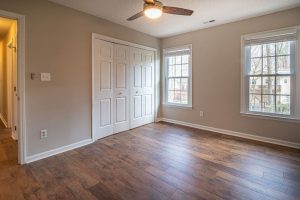
How much does new flooring cost? The answer depends on the type of flooring you choose, the size of your room and the work required to prepare the existing floor. Carpet, laminate, vinyl, engineered wood, solid hardwood and tiles all have different material and installation costs.
The total price can also include underlay, adhesives, removal of old flooring, subfloor repairs, trims and waste disposal. A material that looks affordable at first may become more expensive if it needs specialist installation or extensive preparation.
Whether you are updating a single bedroom or replacing the flooring throughout your home, understanding these costs will help you plan a realistic budget. This guide explains the main factors affecting flooring prices, compares common materials, shows how to estimate your project costs and highlights expenses that homeowners sometimes overlook.
How much does new flooring cost on average?
There is no single price for new flooring because materials and installation methods vary widely. A basic carpet or laminate floor may cost considerably less than premium timber, natural stone or a complex tiled installation.
The most useful way to estimate your budget is to consider the cost per square metre, then calculate the total area that needs covering. You should also allow for installation, preparation and finishing work.
The following table gives a general comparison of flooring types. These are relative cost categories rather than current price quotations, as actual prices depend on your location, chosen product and project requirements.
| Flooring type | Relative material cost | Typical installation considerations |
|---|---|---|
| Basic carpet | Low to medium | Underlay, gripper rods and fitting |
| Laminate | Low to medium | Underlay, cutting and floor preparation |
| Sheet vinyl | Low to medium | Smooth subfloor and accurate fitting |
| Luxury vinyl flooring | Medium | Subfloor preparation and product-specific installation |
| Ceramic tiles | Medium | Adhesive, grout and careful fitting |
| Porcelain tiles | Medium to high | Suitable subfloor, adhesive and grout |
| Engineered wood | Medium to high | Approved fitting method and moisture checks |
| Solid hardwood | High | Specialist fitting and possible subfloor work |
| Natural stone | High | Specialist installation, sealing and finishing |
Material prices can vary significantly within each category. For example, an entry-level laminate product and a premium laminate with a more detailed surface finish may have different prices even though they belong to the same general flooring type.
Costs can vary by location, materials, labour, property size and project requirements. Transport, access to the property, the condition of the existing floor and local installer availability can also affect the final quotation.
For an accurate estimate, obtain local prices for the exact product and installation work you intend to use.
What factors affect the cost of new flooring?
Several factors determine how much you will pay for a flooring project. Understanding them can help you identify where savings are possible and where cutting costs may create problems later.
The type and quality of flooring
The material you choose is usually one of the biggest cost factors.
Basic carpet, laminate and sheet vinyl can be relatively affordable, while premium engineered wood, solid hardwood and natural stone generally require a larger budget.
Even within one material category, prices depend on thickness, finish, durability, design and manufacturer specifications.
For example, two laminate products may look similar but have different wear layers, core construction, warranties and installation requirements. Comparing specifications is more useful than choosing solely by appearance.
The size of the room
Flooring is commonly sold by area, so larger rooms usually require more material.
Measure the length and width of each room to calculate the floor area. For a simple rectangular room, multiply the length by the width.
For example, a room measuring 4 metres long and 3 metres wide has a floor area of 12 square metres.
You will usually need to buy more than the exact measured area because flooring must be cut around walls, doorways, alcoves and other obstacles.
The extra allowance depends on the material and room layout. Ask your supplier or installer how much additional flooring is appropriate.
Labour and installation complexity
Installation costs depend on the material, the fitting method and the condition of the room.
Laying carpet or floating laminate may involve different labour requirements from installing natural stone or detailed tile patterns.
Costs may also rise if the installer needs to:
-
Move or work around heavy furniture.
-
Cut flooring around several doorways or built-in cupboards.
-
Level an uneven subfloor.
-
Remove old adhesive or damaged flooring.
-
Install trims and transitions between rooms.
-
Work around complicated room shapes.
A straightforward rectangular bedroom is generally easier to measure and fit than a large open-plan area with multiple corners and transitions.
The condition of the existing floor
A new floor needs a suitable base. If the existing subfloor is uneven, damp, cracked or unstable, it may need repair before installation.
Depending on the problem, preparation could involve patching, levelling, replacing damaged boards or addressing moisture.
These tasks can add to the total price, but they should not be ignored. Installing new flooring over an unsuitable surface can lead to movement, visible imperfections, loose tiles or premature damage.
If you are renovating an older property, ask the installer to inspect the existing floor before providing a final quotation.
How much does carpet flooring cost?
Carpet is a common choice for bedrooms, stairs and living rooms because it feels soft underfoot and can help reduce impact noise.
Its cost depends on the fibre, pile, thickness, backing and overall quality. Basic synthetic carpet may suit a tight budget, while wool and premium blends usually cost more.
When calculating the total price, include:
-
Carpet material.
-
Underlay, if required.
-
Gripper rods and other fitting materials.
-
Installation labour.
-
Removal and disposal of old carpet.
-
Door bars and finishing trims.
Underlay affects how the carpet feels and performs. However, the thickest underlay is not automatically the best choice. The carpet manufacturer may specify which type is suitable.
Carpet is often practical in a bedroom where comfort is a priority. In a busy hallway, consider durability and ease of cleaning as well as price.
To save money, compare several carpet grades, ask about remnants for small rooms and check whether the quotation includes fitting and accessories.
How much does laminate flooring cost?
Laminate flooring is popular because it offers a wood-effect appearance without the cost of solid hardwood.
Prices depend on the product’s thickness, surface finish, core construction, wear resistance and installation system.
The total project cost may include:
-
Laminate boards.
-
Suitable underlay.
-
Installation labour.
-
Floor levelling or repairs.
-
Skirting or threshold trims.
-
Removal of existing flooring.
Some laminate products use a floating click-lock system, which can make installation relatively straightforward. However, the subfloor still needs to meet the manufacturer’s requirements.
Laminate may be a suitable choice for bedrooms, dining rooms and many living areas. Ordinary laminate is less suitable for areas exposed to frequent water unless the specific product is approved for that use.
If you are working to a limited budget, choose a product that meets the needs of the room rather than paying extra for features that offer little practical benefit.
How much does vinyl flooring cost?
Vinyl flooring includes sheet vinyl, luxury vinyl tiles and luxury vinyl planks. It is available in many designs, including patterns that imitate timber, stone and ceramic tiles.
Basic sheet vinyl can be a cost-effective option, particularly in smaller rooms. Luxury vinyl products may cost more but offer a wider range of textures, formats and construction types.
Installation requirements can affect the overall price. Some vinyl products need adhesive and a particularly smooth subfloor, while others use a click-lock system.
Before buying, check whether the product is suitable for the room and whether its warranty requires professional installation.
Vinyl can be useful in kitchens, utility rooms and some bathrooms, but water resistance varies between products. Correctly sealing edges and following the manufacturer’s instructions are important where moisture is present.
When comparing prices, ask whether the quotation includes adhesive, floor preparation and finishing around doorways.
How much does wood flooring cost?
Wood flooring can create a natural, long-lasting appearance, but the cost varies according to the type of timber, construction, finish and installation method.
Engineered wood has a real timber surface attached to a layered core. Solid hardwood is made from timber throughout the board.
Both can work well in suitable rooms, but they have different requirements.
Engineered wood may offer greater dimensional stability than solid wood under changing indoor conditions. Solid hardwood may be refinished several times if its thickness and condition allow it.
The total cost may include:
-
Flooring boards.
-
Underlay or adhesive.
-
Installation.
-
Moisture testing and subfloor preparation.
-
Skirting adjustments and threshold trims.
-
Finishing products, where required.
Wood flooring is sensitive to environmental conditions, so moisture levels and installation requirements matter. Ask the installer whether the chosen product is suitable for your subfloor and whether it can be used with underfloor heating.
If you want a timber appearance at a lower initial cost, compare engineered wood with laminate and wood-effect vinyl before deciding.
How much does tile flooring cost?
Ceramic and porcelain tiles are common choices for bathrooms, kitchens, hallways and other areas where a hard surface is useful.
The final cost depends on tile size, material, design, layout and installation complexity.
Small tiles and intricate patterns may require more fitting time because they involve additional cuts and grout lines. Large-format tiles can also require specialist handling and a suitably prepared surface.
Include these items in your estimate:
-
Tiles and an allowance for waste.
-
Suitable adhesive and grout.
-
Subfloor preparation.
-
Waterproofing where required.
-
Installation labour.
-
Cutting, edging and finishing.
-
Removal of the existing floor.
Porcelain tiles generally have lower water absorption than ceramic tiles, but both need to be selected according to the intended use.
For bathrooms and other wet areas, pay particular attention to slip resistance. A polished tile may look attractive but may not provide suitable grip when wet.
Tile flooring can be durable, but poor installation or movement in the subfloor can cause cracking. Do not reduce the budget for essential preparation simply to afford a more expensive tile.
How to calculate your flooring budget
A simple calculation can help you estimate how much material you need and organise your budget.
First, measure the room. For a rectangular space, multiply its length by its width.
Next, add an allowance for cuts and waste. The amount depends on the flooring material, the pattern and the shape of the room. A straightforward layout may require less extra material than a diagonal tile pattern or a room with many alcoves.
Then calculate the material cost using the supplier’s price per square metre.
Finally, add labour and any additional expenses.
For example, suppose you are replacing the flooring in a bedroom with a measured area of 15 square metres. Your supplier recommends ordering 10% extra for cuts and waste.
The material quantity would be:
15 square metres × 1.10 = 16.5 square metres.
You would therefore plan to purchase approximately 16.5 square metres, subject to the supplier’s pack sizes and the installer’s advice.
If the flooring is sold in fixed-size packs, you may need to round up to the next available quantity.
Your budget should then include installation, underlay, floor preparation, trims and disposal of old materials.
This example explains the calculation rather than providing a current price estimate. The final cost will depend on local prices, the selected material, labour and the requirements of your project.
Hidden costs to consider when replacing flooring
The advertised price of flooring does not always represent the full project cost. Some additional expenses only become clear after measuring the room or inspecting the existing floor.
Common examples include the following.
-
Removing old flooring: Carpet, tiles and glued-down vinyl may require different removal methods.
-
Subfloor repairs: Damaged timber boards, cracks or uneven concrete may need attention.
-
Damp treatment: Moisture problems should be identified and addressed before new flooring is installed.
-
Underlay: Some products require a separate underlay, while others have an attached backing.
-
Adhesive and grout: These materials may be sold separately from the flooring.
-
Door adjustments: A thicker finished floor may affect door clearance.
-
Skirting and trims: Existing edges may need replacing, extending or adjusting.
-
Furniture handling: Large wardrobes and beds may need to be moved or temporarily stored.
-
Waste disposal: Old materials may incur collection or disposal charges.
-
Delivery: Large orders can involve transport fees, particularly for properties with difficult access.
Not every project will require all these items. However, asking about them before work begins can reduce the risk of unexpected costs.
Request an itemised quotation that separates materials, labour and preparation. This makes it easier to compare installers and identify any missing work.
How to save money on new flooring
It is possible to reduce flooring costs without choosing a product that is unsuitable for your home.
Start by deciding what the room actually needs. A spare bedroom used occasionally may not require premium flooring, while a busy hallway may justify investing in a more durable product.
Useful ways to manage your budget include:
-
Compare several suppliers for the same product specification.
-
Ask whether discontinued designs or end-of-line products are available.
-
Use offcuts or remnants for small areas where suitable.
-
Keep the existing skirting boards if they can be retained safely and neatly.
-
Choose a simple layout that reduces unnecessary cutting.
-
Move small furniture yourself if the installer agrees and it is safe to do so.
-
Arrange flooring work for multiple rooms together if this genuinely reduces labour or delivery costs.
-
Check whether the quotation includes all necessary materials and finishing work.
-
Buy an appropriate quantity rather than substantially over-ordering.
You may also save money by choosing a good-quality mid-range product instead of paying for a premium finish that will not make a meaningful difference to everyday use.
However, avoid cutting corners on subfloor preparation, essential moisture protection or installation methods specified by the manufacturer.
A low initial price can become poor value if the flooring fails early or needs to be replaced sooner than expected.
Should you install flooring yourself or hire a professional?
DIY installation can reduce labour costs, especially for certain click-lock laminate and vinyl products. However, the suitability of a DIY approach depends on your skills, tools and the material you choose.
Before starting, check whether the manufacturer permits DIY installation without affecting the warranty.
You should also consider the time required for measuring, cutting, preparing the subfloor and finishing edges. Mistakes can lead to wasted materials or a floor that does not sit correctly.
Professional installation may be preferable for natural stone, complicated tile layouts, solid hardwood or projects involving significant subfloor repairs.
A professional installer can also help identify problems that might not be obvious before the old flooring is removed.
When comparing quotations, ask about the installer’s experience with the chosen material, the work included, the expected timescale and how defects will be handled.
The cheapest quote is not necessarily the best option. Look for clear pricing, appropriate experience and a realistic explanation of the work involved.
Frequently asked questions
How much does new flooring cost for one room?
The price depends on the room’s area, the flooring material, installation labour and preparation requirements. Measure the room, calculate the required material quantity and add costs for underlay, trims and old-floor removal. Obtain local quotations for an accurate estimate.
What is the cheapest type of new flooring?
Basic sheet vinyl, entry-level laminate and some carpet products can be affordable choices. The cheapest option depends on local availability and the room’s requirements. Compare the complete installation cost rather than the material price alone.
Is it cheaper to replace flooring yourself?
DIY installation can reduce labour costs for suitable products, but you may need tools, preparation materials and additional flooring to allow for mistakes. Specialist materials or complicated layouts may be better handled by an experienced installer.
Do flooring quotes include removing the old floor?
Not always. Some installers include removal and disposal, while others charge separately. Ask for an itemised quotation that clearly states whether old flooring, adhesive removal, subfloor repairs and waste disposal are included.
How much extra flooring should I buy?
The required allowance depends on the material, room shape and installation pattern. A simple rectangular room may need less extra material than a room with many corners or a complex tile layout. Ask your supplier or installer for a suitable allowance before ordering.
Which flooring offers the best value for money?
The best value depends on the room, expected use, maintenance needs and product quality. Carpet may offer comfort in bedrooms, laminate can provide an affordable wood-effect finish, and suitable tiles may work well in high-use areas. Consider the full cost over the flooring’s expected service life.
Conclusion
Understanding how much new flooring costs starts with identifying the right material and measuring the area accurately. Carpet, laminate, vinyl, wood and tiles all offer different benefits, and their total costs depend on more than the purchase price.
Include installation, underlay, subfloor preparation, trims, delivery and disposal when preparing your budget. Costs can vary by location, materials, labour, property size and project requirements, so local quotations are essential for reliable figures.
Compare products according to their suitability for the room, maintenance requirements and expected durability. Obtain itemised quotations, check the manufacturer’s instructions and address any damp or subfloor problems before installation.
With careful planning, you can choose flooring that fits your budget, suits your home and provides lasting practical value.