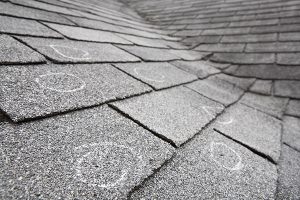
Recognising the signs that your roof needs replacement can help you protect your home from water damage, structural problems and costly repairs. Although some roofing issues can be fixed with simple repairs, others indicate that the roof covering has reached the end of its useful life. Knowing the difference can help you make a more informed decision about your property.
Common warning signs include missing or cracked tiles, recurring leaks, sagging roof sections, damaged flashing and visible daylight through the roof structure. The age of the roof and the frequency of repairs can also provide useful clues.
However, not every roofing problem means you need a completely new roof. Some defects affect only a small area and can be repaired by a qualified roofing contractor. This guide explains what to look for, when repairs may be sufficient and how to decide whether replacing your roof is the more practical option.
Why It Is Important to Recognise Roof Problems Early
Your roof protects the building from rain, wind, sunlight and changing temperatures. It also helps protect the internal structure, insulation, ceilings and electrical systems from moisture.
When roofing materials begin to fail, water can enter through gaps, damaged joints or weakened sections. The damage may initially be difficult to notice because leaks can travel along roof timbers or other surfaces before appearing inside the property.
Ignoring a small defect can allow the problem to spread. For example, a broken tile may allow rainwater to reach the underlay and timber beneath it. If the problem continues, the affected materials may deteriorate and require more extensive repairs.
Regular inspections can help you identify problems before they become more serious. It is particularly important to check the roof after severe weather, when buying an older property or when you notice unexplained dampness inside your home.
You should never climb onto a roof to inspect it yourself. Roof surfaces can be unstable or slippery, and damaged areas may not support your weight. Inspect what you can safely see from the ground and arrange a professional assessment when necessary.
Signs That Your Roof Needs Replacement
Several warning signs may indicate that your roof is no longer performing properly. Some point towards widespread deterioration, while others require further investigation before you can decide whether replacement is necessary.
1. Your Roof Is Nearing the End of Its Expected Lifespan
Roofing materials do not last forever. Their useful life depends on the material, installation quality, weather exposure, maintenance and condition of the supporting structure.
For example, some asphalt shingle roofs may need replacement after a few decades, while well-maintained slate or tile roofs can last much longer. These are general examples rather than guaranteed lifespans, as individual products and conditions vary considerably.
If your roof is approaching the end of its expected service life, it is sensible to arrange an inspection even if there are no obvious leaks.
An older roof may still be in reasonable condition, so age alone does not automatically mean replacement is necessary. However, an ageing roof with recurring leaks, widespread damage or deteriorating underlay may be approaching the point where replacement offers better long-term value.
If you do not know when the roof was installed, property records, previous renovation documents or an inspection may help establish its approximate age and condition.
2. You Notice Missing, Cracked or Broken Roof Tiles
Missing, cracked or broken tiles are among the most visible signs of roof damage. They can result from ageing materials, impact, strong winds, poor installation or movement within the roof structure.
A single damaged tile does not usually mean the entire roof needs replacing. A roofer may be able to replace the affected tile and inspect the surrounding area for additional problems.
However, widespread damage is more concerning. If tiles across several sections are cracked, loose or missing, the roof covering may have deteriorated significantly.
Look for:
-
Gaps where tiles or shingles should be.
-
Cracked or broken sections.
-
Loose materials along roof edges.
-
Tiles that appear uneven or out of position.
-
Repeated damage after windy weather.
If the damage keeps returning despite repairs, ask a roofing professional to assess the condition of the entire covering. Repeated failures may indicate that the materials, fixings or supporting components need more extensive attention.
3. Your Roof Has Recurring Leaks
A roof leak is a clear warning that water is getting past the roof’s protective layers. However, the location of the water stain inside your home does not always show exactly where the water entered.
Water can travel along rafters, roof decking and other surfaces before reaching a ceiling or wall. The source may be a broken tile, damaged flashing, a defective roof window, a blocked drainage point or a problem with the roof membrane.
If a leak occurs once because of a clearly identified, isolated defect, a repair may be sufficient. If leaks return in different places or continue after several repairs, the roof may have more widespread problems.
Pay attention to:
-
Water stains on ceilings.
-
Damp patches near the tops of walls.
-
Peeling paint beneath roof sections.
-
Water appearing after rainfall.
-
Persistent dampness around roof windows or chimneys.
Do not assume that repainting a stained ceiling has solved the problem. The source of the moisture must be identified and corrected first.
A professional inspection can establish whether the leak is localised or part of a broader failure that may justify replacement.
4. You Find Granules in Gutters or Downpipes
Some asphalt shingles have a protective granular surface. Over time, these granules can loosen and collect in gutters or at downpipe outlets.
A small amount of granule loss may occur as the roof ages. However, substantial or increasing quantities, particularly when combined with bald patches or exposed material on the shingles, can indicate significant wear.
Granule loss can reduce the protection provided by the shingle surface. If large areas are affected, the roof may be approaching the end of its useful life.
This warning sign mainly applies to roofing products that use surface granules. It is not relevant to every type of roof.
If you notice unusual deposits in your gutters, ask a roofer to inspect the covering and determine whether the material is deteriorating or whether another source is responsible.
5. Your Roof Is Sagging or Appears Uneven
A roof should generally maintain its intended shape. Visible dips, bowed sections or a ridge that appears to have changed position may indicate a problem with the supporting structure.
Possible causes include damaged rafters, weakened roof decking, prolonged moisture exposure, excessive loading or structural movement.
Sagging is more serious than ordinary cosmetic wear because it may affect the roof’s stability. It does not necessarily mean the entire roof must be replaced, but it requires prompt professional assessment.
If you notice a significant change in the roof’s shape, avoid accessing the area and keep people away from any section that appears unstable. Arrange an urgent inspection by a suitably qualified professional.
The assessment should establish whether the problem involves a localised structural defect, widespread deterioration or another issue that needs corrective work before a new roof covering can be installed.
6. You Can See Daylight Through the Roof
If daylight is visible through the roof covering or roof decking in an area where it should not be, there may be gaps, missing materials or structural damage.
This can sometimes be noticed from a loft or attic, provided the space can be accessed safely. Look for visible gaps around roofing materials, damaged boards or areas where the protective layers appear incomplete.
However, not every visible opening indicates a defect. Some roofs are designed with ventilation openings, and these should not be confused with accidental gaps in the covering.
If you are unsure whether an opening is intentional, ask a roofing professional to check it. Unwanted gaps can allow rainwater, pests and outside air to enter the roof space.
Widespread gaps or extensive deterioration may indicate that the covering needs replacement, particularly if other warning signs are present.
7. The Roof Flashing Is Damaged
Flashing is used around features such as chimneys, roof windows, vents and roof intersections. Its purpose is to direct water away from vulnerable joints.
Flashing may be made from metal or other materials designed for the roofing system. Over time, it can become loose, corroded, cracked or poorly sealed.
Damaged flashing often causes leaks that seem to appear around chimneys or windows rather than across the main roof surface.
Inspect from a safe position for visible gaps, displaced sections or deterioration around these features. Do not try to repair roof flashing from a ladder or by climbing onto the roof.
Localised flashing damage can often be repaired without replacing the entire roof. However, if the surrounding covering is also deteriorating, it may be more practical to address both problems as part of a larger replacement project.
8. Your Roof Has Extensive Moss or Algae Growth
Moss and algae are common on roofs, especially in shaded or damp areas. Their presence alone does not prove that the roof needs replacing.
However, heavy moss growth can retain moisture, interfere with drainage and sometimes contribute to the displacement or deterioration of roofing materials. The underlying cause may include persistent shade, poor drainage or a roof surface that remains damp for long periods.
Look for thick growth around tile edges, in roof valleys and near gutters. Also check for cracked tiles, blocked drainage routes or other damage associated with the affected areas.
Avoid scraping or pressure-washing roofing materials without professional advice. Aggressive cleaning can damage tiles, remove protective finishes or force water beneath the covering.
If the roof is old and moss growth occurs alongside widespread cracking, leaks or material deterioration, a professional assessment can help determine whether cleaning, repairs or replacement is appropriate.
9. Your Roof Repairs Are Becoming More Frequent
Occasional roof repairs are normal, particularly after severe weather. However, repeated repairs in different areas may indicate that the roof is deteriorating more widely.
For example, a homeowner might replace a few broken tiles one year, repair flashing the following year and then discover another leak shortly afterwards. Each repair may be reasonable on its own, but the pattern suggests that the roof needs a more complete assessment.
Keep a record of repairs, including the dates, affected areas and costs. This makes it easier to see whether problems are becoming more frequent.
When discussing the situation with a roofer, ask whether the defects are unrelated or whether they point to a common underlying problem.
If the roof covering is nearing the end of its useful life, repeated repairs may become less economical than replacement. The decision should be based on the overall condition, the likely cost of future work and the risk of further damage.
10. Your Roof Underlay or Waterproofing Layer Is Failing
Many roofs have an underlay or membrane beneath the outer covering. This provides an additional layer of protection against water and weather exposure, depending on the roof design.
The membrane may deteriorate with age, become torn or develop problems around joints and penetrations. If it no longer performs properly, water may reach the roof structure even when the visible tiles or sheets appear reasonably sound.
Signs of possible problems include damp patches in the loft, damaged membrane visible from a safe inspection point or water entering beneath the outer covering.
Because much of the underlay is hidden, it may be difficult to assess without a professional inspection. Some defects can be repaired locally, while widespread failure may make replacement of the roof covering more practical.
A roofer can inspect the accessible areas and explain whether the membrane can be repaired or whether a more extensive project is necessary.
11. Your Roof Has Suffered Severe Weather Damage
Strong winds, heavy rain, falling branches and other severe weather can damage a roof suddenly.
After a storm, you may notice missing tiles, displaced sheets, damaged ridge components or debris on the ground. Water entering the building or a visible change in the roof’s shape requires prompt attention.
Not every storm-damaged roof needs replacing. If the damage is limited to one section and the remaining materials are sound, targeted repairs may be sufficient.
Replacement may be considered if the damage is extensive, the supporting structure has been affected or the roof was already in poor condition before the weather event.
Do not climb onto a damaged roof to inspect it. If there is active water entry, protect indoor belongings where safe to do so and contact a roofing professional. If the structure appears unstable, keep clear of the affected area.
12. Your Loft Has Signs of Moisture or Deterioration
The loft can provide useful clues about roof condition. If it is safe to enter, look for signs such as damp timber, water marks, mould growth, damaged insulation or unexplained moisture.
These symptoms do not always mean the roof covering has failed. Condensation caused by inadequate ventilation or poorly managed indoor moisture can also create damp conditions in a loft.
The important step is to identify the source rather than assume that every damp patch comes from a leak.
If you notice wet insulation or timber, recurring water marks or signs of decay, arrange an assessment. A professional can distinguish between roof leaks, condensation and other moisture problems.
Where roof-related moisture has damaged several structural components, the necessary work may extend beyond replacing tiles or shingles.
How to Tell Whether Your Roof Needs Repair or Replacement
Many warning signs can be addressed with repairs, especially when the damage is isolated and the rest of the roof remains in good condition.
Replacement becomes more likely when problems are widespread, the covering has reached the end of its expected life or repairs no longer provide a reliable solution.
Use the following guide as a starting point.
| Problem | Possible response |
|---|---|
| One or two broken tiles | Replace the damaged tiles and inspect nearby areas |
| Localised flashing damage | Repair or replace the affected flashing |
| One isolated leak | Find and repair the source, then check for hidden moisture |
| Widespread cracked or deteriorated covering | Arrange a full roof assessment and consider replacement |
| Repeated leaks in several areas | Investigate whether the roof has broader defects |
| Sagging or visible structural movement | Arrange an urgent professional structural assessment |
| Old roof with multiple recurring defects | Compare the cost and practicality of repairs with replacement |
The table is a guide, not a substitute for an inspection. The appropriate solution depends on the roof’s construction, the extent of the damage and the condition of the materials beneath the visible surface.
How Much Does Roof Replacement Cost?
The cost of replacing a roof depends on the size and shape of the roof, the material selected, labour charges and the amount of preparation required.
A simple replacement involving a sound structure may cost less than a project that requires new rafters, roof decking, insulation or extensive repairs to chimneys and roof edges.
Additional expenses may include scaffolding, removal and disposal of old materials, underlay, flashing, gutters and any necessary approvals. If the existing roof contains materials requiring specialist handling, removal costs may also increase.
Roof replacement costs vary by location, materials, labour, property size and project requirements. For that reason, a general price estimate should not be treated as a reliable quotation for your home.
To understand the likely cost:
-
Arrange an inspection by a reputable roofing contractor.
-
Request written quotations from several suitable contractors.
-
Check whether removal, disposal and scaffolding are included.
-
Ask how hidden damage and additional repairs will be priced.
-
Compare the materials, warranties and work included in each quote.
Do not choose a contractor based on price alone. A detailed quotation should explain the work being carried out and identify any exclusions.
How to Inspect Your Roof Safely
You can look for some warning signs without climbing onto the roof. Use binoculars from the ground to check for missing tiles, uneven roof lines, visible damage and problems around roof edges.
After heavy rain, check ceilings and accessible loft areas for fresh water marks or dampness, but only enter spaces that can be accessed safely.
You can also inspect the ground around the property for fallen roofing materials and look for unusual deposits in the gutters from a safe position.
Avoid walking on roof surfaces, using a ladder to reach damaged areas or entering an unstable loft. Roof work can involve falls, fragile materials and hidden structural weaknesses.
A qualified roofing contractor has the equipment and experience to assess areas that are difficult or unsafe for a homeowner to reach.
How to Prepare for a Roof Replacement
If an inspection confirms that replacement is necessary, careful preparation can help the project run more smoothly.
First, ask the contractor to explain the recommended roofing system and why it is suitable for your property. Confirm whether the supporting structure, underlay, insulation, flashing and drainage components need attention.
Next, agree on the work in writing. The contract should explain the scope, materials, payment schedule, expected timing, waste removal and how unexpected repairs will be approved.
It is also sensible to ask how the contractor will protect the property while the old roof covering is removed and the new materials are installed. Roofing work can expose parts of the building temporarily, so weather protection and site safety matter.
Finally, keep copies of the quotation, contract, receipts and warranty documents. These records can help if you need future repairs or want to provide information to a prospective buyer.
Frequently Asked Questions
How do I know if my roof needs replacing?
Common signs include widespread cracked or missing tiles, recurring leaks, sagging sections, deteriorating roofing materials and frequent repairs. The roof’s age is also relevant. A professional inspection can determine whether the damage is localised or whether replacement is the more suitable option.
Can a roof last longer than its expected lifespan?
Yes. A roof may remain serviceable beyond a general lifespan estimate if it has been installed correctly, maintained well and exposed to favourable conditions. However, age should still prompt an inspection, particularly if the roof has never been assessed or begins showing signs of deterioration.
Does a leaking roof always need replacing?
No. A leak caused by a broken tile, defective flashing or another isolated problem may be repairable. If leaks occur repeatedly in different areas, the covering is badly deteriorated or the supporting structure is damaged, replacement may be worth considering.
Is it better to repair an old roof or replace it?
The answer depends on the roof’s overall condition, the extent of the defects and the likely cost of future repairs. A sound roof with one localised problem may only need a repair. An ageing roof with widespread deterioration may be more practical to replace than to keep repairing.
How often should a roof be inspected?
Inspection frequency depends on the roof’s age, material, condition and exposure to severe weather. It is sensible to arrange an assessment if you notice damage, recurring leaks or other warning signs. A professional can also recommend an appropriate inspection schedule for your particular roof.
Can I replace my roof without replacing the entire structure?
Yes, if the supporting structure is sound and suitable for the new roofing system. In many projects, the outer covering can be replaced while the existing rafters or trusses remain in place. Any damaged structural components must be assessed and repaired as necessary.
Conclusion
Recognising the signs that your roof needs replacement can help you address problems before they cause more extensive damage. Recurring leaks, widespread broken tiles, sagging sections, deteriorating underlay and repeated repair work are all reasons to arrange a professional assessment.
However, no single warning sign automatically means that the entire roof must be replaced. Some problems can be resolved with targeted repairs, while widespread deterioration may justify a complete replacement.
Pay attention to changes in your roof, keep records of previous repairs and seek professional advice when you notice anything unusual. By understanding the roof’s condition and comparing clear quotations, you can make a practical decision that protects your home and helps you plan for the work responsibly.