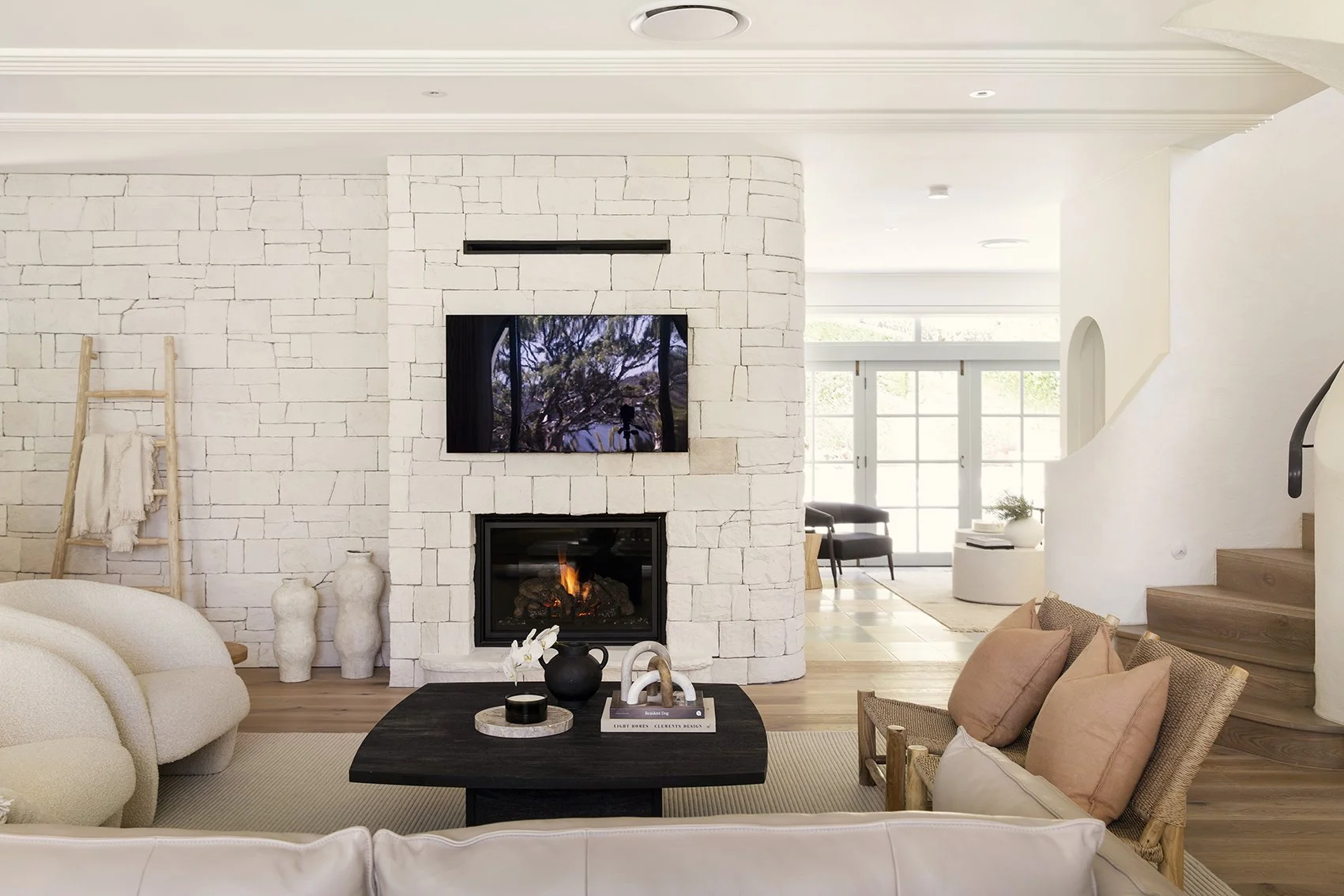
Understanding home renovation costs by room can help you plan improvements, compare quotations and decide where to spend your money. Whether you are updating a tired bedroom, modernising a kitchen or renovating an entire property, knowing the likely expenses makes it easier to set a realistic budget before work begins.
In the UK, a simple room refresh may cost a few hundred pounds, while a complete renovation involving new fittings, flooring, plumbing or electrical work can cost several thousand pounds. The final price depends on the room’s size, its existing condition, the materials you choose, local labour rates and the complexity of the project.
Some rooms are naturally more expensive to renovate than others. Kitchens and bathrooms often require specialist installations, whereas bedrooms and living rooms may need little more than decorating and new flooring.
This guide explores typical renovation costs for different rooms, explains the main factors that affect prices and offers practical ways to keep your project within budget.
Average Home Renovation Costs by Room in the UK
The following table provides broad estimates for common room renovation projects. These are budgeting guides rather than fixed prices. Actual costs vary by location, materials, labour, property size, existing conditions and project requirements.
| Room | Basic refresh | More extensive renovation |
|---|---|---|
| Kitchen | £500–£2,000 | £5,000–£20,000+ |
| Bathroom | £300–£1,000 | £3,000–£10,000+ |
| Bedroom | £200–£600 | £1,000–£5,000+ |
| Living room | £200–£700 | £1,000–£5,000+ |
| Dining room | £200–£600 | £800–£3,000+ |
| Hallway and stairs | £200–£700 | £1,000–£4,000+ |
| Utility room | £300–£1,000 | £1,500–£5,000+ |
| Home office | £200–£700 | £1,000–£4,000+ |
| Loft conversion | Not usually a simple refresh | £20,000–£60,000+ |
These figures cover different levels of work, so the ranges may overlap. A kitchen receiving new paint and handles is very different from one requiring replacement cabinets, worktops, appliances and plumbing.
Similarly, decorating a bedroom is less expensive than repairing damaged plaster, replacing the floor and installing bespoke wardrobes.
The loft conversion figures relate to a substantial building project rather than a conventional room makeover. Structural work, insulation, stairs, fire safety measures and planning requirements can all affect the price.
When setting your budget, define exactly what each room needs before using these estimates to plan your spending.
What Determines Home Renovation Costs?
The room itself is only one part of the calculation. Several factors influence the amount you will pay.
Room size and layout
Larger rooms usually require more paint, flooring, tiles and other materials. They may also take longer to decorate or fit out.
However, a small room can still be expensive if it needs specialist fittings, complicated storage or extensive repairs.
The layout also matters. Keeping existing plumbing, electrical points and doors in their current positions is often simpler than relocating them.
For example, retaining the existing kitchen layout may reduce the need to move water supplies, drainage and electrical connections. In a bedroom, keeping the door and wardrobe positions unchanged may avoid unnecessary carpentry and decoration work.
Condition of the property
A room that is structurally sound and well maintained is generally easier to renovate than one with damp, damaged plaster, uneven flooring or old wiring.
Hidden problems can become visible when old fittings, wallpaper or flooring are removed. These repairs may increase the original estimate.
Do not cover damp patches or recurring cracks with new finishes without investigating the cause. Resolving underlying problems first can help prevent further damage.
Materials and finishes
Material choices can make a significant difference to the overall budget.
Standard ceramic tiles, ready-made cabinets and basic flooring may cost less than natural stone, bespoke furniture and premium timber products.
Consider more than the purchase price. Durability, cleaning requirements, installation costs and future maintenance also affect value.
A slightly more expensive material may be worthwhile if it lasts longer or is better suited to the room’s use.
Labour and specialist work
Labour costs vary according to location, experience, availability and the type of work involved.
A renovation may require several trades, including plumbers, electricians, decorators, carpenters, tilers and plasterers. Specialist work can increase costs, particularly when several installations need to be coordinated.
Ask whether a quote includes labour, materials, preparation, waste removal and finishing. An itemised quote makes it easier to compare contractors fairly.
Location and access
Renovation costs can differ between regions and even between properties in the same area. Labour availability, travel, delivery charges and the type of property can all influence quotations.
Difficult access may increase the time needed to move materials or remove waste. Flats with limited parking, upper-floor rooms and properties with narrow staircases may present additional challenges.
Kitchen Renovation Costs
Kitchens are often among the more expensive rooms to renovate because they combine cabinetry, appliances, worktops, plumbing, electrical installations and flooring.
A simple cosmetic update may cost around £500–£2,000, while a more substantial renovation can cost £5,000–£20,000 or more. Large kitchens with premium finishes and extensive layout changes can exceed this range.
The main expenses include:
- Kitchen cabinets and drawer units.
- Worktops and splashbacks.
- Sink and taps.
- Appliances such as an oven, hob and fridge.
- Flooring and wall finishes.
- Plumbing and electrical work.
- Installation and waste removal.
Keeping the existing cabinets can reduce costs if they remain structurally sound. Replacing handles, updating the doors and installing a new worktop may give the kitchen a fresh appearance without replacing every unit.
Changing the layout is more likely to increase costs because water supplies, drainage, sockets and appliances may need to be moved.
Before starting, decide whether you need a cosmetic update, a partial renovation or a complete replacement. The distinction will help you avoid paying for work that does not improve the kitchen’s function.
Bathroom Renovation Costs
Bathroom renovations can be expensive because fittings must work together with plumbing, drainage, ventilation and suitable waterproofing.
A simple refresh may cost around £300–£1,000, while a complete renovation may cost approximately £3,000–£10,000 or more.
Typical expenses include the toilet, basin, bath or shower, taps, tiles, flooring, bathroom furniture, lighting and installation.
Keeping the existing layout can help reduce plumbing costs. If the bath, basin or vanity unit is still in good condition, retaining it may also be worthwhile.
However, do not cut costs by ignoring leaks, damaged flooring or inadequate ventilation. These problems should be addressed before new finishes are installed.
Choose materials designed for bathroom conditions, and ensure wet areas are prepared and waterproofed appropriately. Electrical work should be completed by a suitably qualified professional who understands bathroom safety requirements.
A clear quotation should distinguish between the price of fittings, installation, preparation, plumbing, electrical work and waste disposal.
Bedroom Renovation Costs
Bedrooms are often more affordable to renovate because many projects focus on decoration, flooring, lighting and storage rather than specialist plumbing.
A basic refresh may cost £200–£600, while a more extensive renovation could cost £1,000–£5,000 or more.
The main costs may include:
- Painting and decorating.
- Carpet, laminate or other flooring.
- Wardrobes and storage.
- Curtains or blinds.
- Lighting and electrical changes.
- Wall and ceiling repairs.
- Furniture and accessories.
If the walls and flooring are in good condition, fresh paint and updated curtains may be enough to improve the room.
Fitted wardrobes can be useful in rooms with limited space or awkward layouts, but they usually cost more than freestanding furniture. Before buying new storage, assess whether your existing furniture can be reused or improved.
Remember that furniture is a separate expense from building work. A new bed and mattress can significantly increase your total spending even when the renovation itself is modest.
Living Room Renovation Costs
A living room renovation may cost a few hundred pounds for basic decorating or several thousand pounds for new flooring, fitted storage, electrical changes and extensive repairs.
A simple refresh may cost around £200–£700, while a more substantial project may cost £1,000–£5,000 or more.
Common expenses include painting, wallpaper, flooring, lighting, curtains, shelving and furniture.
Keeping your existing sofa, tables and cabinets can make a noticeable difference to the budget. Rearranging furniture, adding suitable lighting and repainting the walls may improve the room without requiring a complete makeover.
If you plan to install fitted shelving or a television unit, decide on the layout before adding sockets or changing cable routes.
Structural alterations, such as removing a wall or enlarging an opening, can increase costs substantially. Seek professional advice before making changes that may affect the structure of the property.
Dining Room Renovation Costs
Dining rooms may need less work than kitchens or bathrooms, particularly if the existing flooring and walls are in good condition.
A basic refresh may cost £200–£600, while a more extensive renovation may cost £800–£3,000 or more.
Typical improvements include repainting, replacing flooring, updating lighting, installing storage and buying a dining table or chairs.
Lighting deserves particular attention because it affects how comfortably the space can be used. A suitable ceiling light or pendant can provide practical illumination while helping define the dining area.
If your dining room forms part of an open-plan living space, consider how the colours, flooring and lighting will work with the adjoining rooms.
Keeping existing furniture and updating smaller details may be more cost-effective than replacing the entire dining set.
Hallway and Staircase Renovation Costs
Hallways and staircases can be more complicated to renovate than their size suggests. They experience regular foot traffic, and staircases may involve difficult access, detailed woodwork and additional preparation.
A simple refresh may cost £200–£700, while more extensive work can cost £1,000–£4,000 or more.
Possible expenses include:
- Painting walls and ceilings.
- Replacing hallway flooring.
- Installing stair carpet or suitable floor coverings.
- Repairing bannisters and handrails.
- Updating lighting.
- Replacing internal doors.
- Repairing damaged plaster or woodwork.
Choose durable finishes because hallways often experience scuffs and dirt from everyday use.
Staircase alterations or replacement can be significantly more expensive than decorating. If structural changes are involved, obtain professional advice and confirm whether building regulations apply.
Utility Room Renovation Costs
A utility room can be relatively inexpensive to refresh, but installing new cabinets, worktops, plumbing and appliances may increase the total.
A basic update may cost £300–£1,000, while a more extensive renovation may cost £1,500–£5,000 or more.
The main expenses include storage units, worktops, a sink, taps, flooring, plumbing and electrical work. You may also need suitable connections for a washing machine or tumble dryer.
Before buying cabinets, measure the available space carefully and allow for appliance doors, ventilation and access to plumbing connections.
Water-resistant, easy-to-clean surfaces are practical choices in a room used for laundry and household tasks.
If your utility room is already functional, replacing only damaged units or improving storage may be more sensible than completing a full renovation.
Home Office Renovation Costs
A home office can be created with a modest budget if the room already has suitable flooring, lighting and electrical connections.
A basic refresh may cost £200–£700, while a more extensive renovation involving fitted desks, storage, electrical changes and sound improvements may cost £1,000–£4,000 or more.
Common expenses include:
- A suitable desk and chair.
- Shelving and storage.
- Lighting.
- Flooring and decorating.
- Additional sockets.
- Cable management.
- Improvements to privacy or sound insulation.
Before buying furniture, consider how much desk space you need and whether the room will serve other purposes.
Good lighting and an organised layout may be more valuable than expensive decorative finishes. If you need additional sockets or new wiring, include the cost of professional electrical work in your budget.
How to Estimate the Cost of Renovating Multiple Rooms
When renovating several rooms, avoid simply adding together the lowest estimate for each one. The total will depend on which tasks overlap, the condition of the property and the order in which the work is completed.
Start by creating a separate list for every room. Record the essential repairs, desired improvements, materials, labour and optional upgrades.
Next, identify work that may be coordinated across the property. For example, a decorator may be able to paint several rooms during the same visit, while a flooring installer may complete multiple areas in one project. This may reduce repeated setup or travel costs, although savings are not guaranteed.
Consider the order of work as well. Repairs, electrical changes and plastering should generally take place before final decorating and flooring.
For example, if you are renovating a bedroom, living room and hallway, it may be practical to complete the necessary repairs first, followed by wall preparation, decorating and flooring. This helps reduce the risk of damaging newly finished surfaces.
Ask contractors whether they can provide a combined quotation with separate prices for each room. This gives you a clearer picture of the total and allows you to postpone optional work if the budget is too tight.
How to Create a Realistic Home Renovation Budget
A good budget includes more than materials and labour. It should also cover preparation, deliveries, waste disposal and a reserve for unexpected problems.
Use the following steps to organise your spending:
- Inspect every room and identify repairs that need attention.
- Separate essential work from optional improvements.
- Measure the rooms and estimate material quantities.
- Obtain detailed quotations from suitable contractors.
- Check what each quotation includes and excludes.
- Add delivery, disposal and finishing costs.
- Keep a contingency for unexpected expenses.
Where possible, set aside around 10–20% of your planned budget as a contingency. This is a starting point rather than a fixed rule. Older properties or rooms with signs of hidden damage may need a larger reserve.
For example, if your planned renovation costs £10,000, an additional £1,000–£2,000 could provide some flexibility for unexpected repairs or changes. If you do not need the reserve, you can keep the remaining money.
Avoid paying for all the optional features before confirming the cost of essential work.
Practical Ways to Reduce Home Renovation Costs
You can often reduce renovation spending by making careful decisions before work begins.
Retain what is still in good condition
Not every room needs new furniture, flooring or fittings. If an item is safe, functional and suitable for your needs, keeping it may free up money for more important improvements.
Choose materials for durability
The cheapest product is not always the best value. Consider how frequently the room is used, how much maintenance the material requires and whether it is suitable for the environment.
For example, flooring in a busy hallway needs to withstand more wear than flooring in a little-used spare room.
Avoid unnecessary layout changes
Moving plumbing, radiators, sockets and walls can increase labour and material costs. If the current layout works, focus on improving finishes, lighting and storage.
Compare detailed quotations
Obtain several quotations where practical, and make sure each contractor is pricing the same work. Check for exclusions, payment terms, timescales and arrangements for unexpected repairs.
Do not select a contractor on price alone. Experience, communication, insurance and the clarity of the quotation are also important.
Do suitable work yourself
Painting, clearing rooms and assembling furniture may be manageable DIY tasks if you have the necessary skills and time.
Specialist plumbing, electrical work and complicated building repairs should be handled by appropriately qualified professionals. Mistakes can create additional costs and safety problems.
Frequently Asked Questions
Which room is the most expensive to renovate?
Kitchens and bathrooms are often among the most expensive rooms because they involve fittings, plumbing, electrical work and specialist installation. However, the cost depends on the scope of the project. A living room requiring structural alterations may cost more than a basic kitchen refresh.
How much should I budget to renovate one room?
A simple cosmetic update may cost a few hundred pounds, while a more extensive renovation may require several thousand pounds. The amount depends on room size, location, materials, labour, existing conditions and the work involved.
Is it cheaper to renovate one room at a time?
Renovating one room at a time can make it easier to spread costs and manage disruption. However, completing similar work across several rooms together may reduce repeated setup or travel costs. Compare quotations for both approaches before deciding.
Should I renovate all rooms at once?
This depends on your budget, the condition of the property and how much disruption your household can manage. Completing everything together may help coordinate trades, but renovating in stages allows you to spread spending and adjust priorities as needed.
How much contingency should I include in my renovation budget?
Around 10–20% of the planned budget is a useful starting point for many projects. Older properties or rooms with visible damage may need a larger reserve. The appropriate amount depends on how much uncertainty remains.
Does renovating a house increase its value?
Well-planned improvements can make a property more attractive and practical, but an increase in selling price is not guaranteed. The result depends on the property, local market conditions, the quality of the work and the amount spent. Prioritise necessary repairs and improvements that suit the home.
Conclusion
Understanding home renovation costs by room helps you make informed decisions about your property and plan improvements according to your budget. Kitchens and bathrooms often require larger investments because of plumbing, fittings and specialist work, while bedrooms, living rooms and dining rooms may be more affordable to refresh.
The most reliable approach is to assess each room separately, identify essential repairs, compare detailed quotations and allow for unexpected expenses. Remember that location, materials, labour, property size and project requirements can all affect the final price.
You do not need to renovate every room at once or replace everything that looks dated. By prioritising the improvements that matter most, choosing suitable materials and keeping a realistic contingency, you can improve your home gradually while maintaining control over your spending.