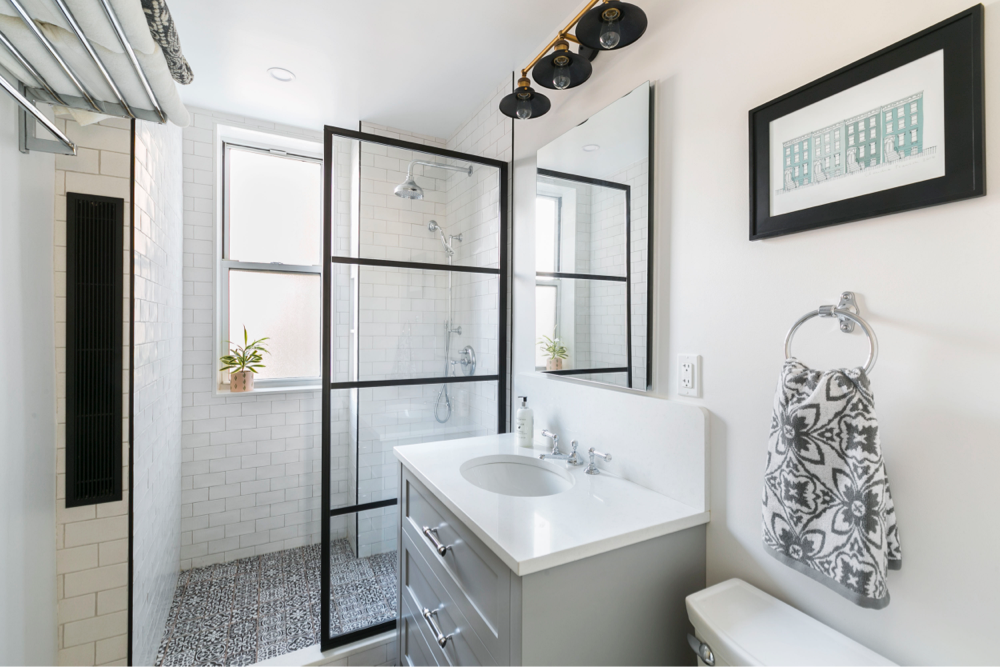
Understanding how much does it cost to remodel a bathroom can help you plan your budget, choose suitable materials and avoid unexpected expenses. In the UK, a bathroom renovation can cost a few hundred pounds for a simple refresh or several thousand pounds for a complete makeover. Larger bathrooms, premium fittings and changes to plumbing can increase the total considerably.
The final price depends on the size of the room, the condition of the existing bathroom, the materials you select, labour rates in your area and the amount of work required. A small bathroom with new taps, paint and accessories will cost far less than a full renovation involving a new bath, shower, toilet, flooring and plumbing.
This guide explains typical bathroom remodelling costs, what affects your budget, where you can save money and how to plan your project carefully.
Average Bathroom Remodelling Costs in the UK
Bathroom renovation prices vary widely because no two projects involve exactly the same work. The following figures are broad budgeting estimates rather than fixed prices. Actual quotes will depend on your location, property size, materials, labour costs and project requirements.
| Type of bathroom renovation | Estimated cost |
|---|---|
| Simple cosmetic refresh | £300–£1,000 |
| Budget bathroom update | £1,000–£3,000 |
| Partial bathroom renovation | £2,000–£5,000 |
| Complete small bathroom renovation | £3,000–£6,000 |
| Standard full bathroom renovation | £5,000–£10,000 |
| Large or high-specification bathroom | £10,000–£20,000+ |
These estimates are intended to help you understand the possible scale of the investment. They are not guaranteed market prices, and the categories may overlap depending on the work included.
A cosmetic refresh might involve painting the walls, replacing accessories, fitting a new mirror and updating taps. A complete renovation usually involves several tradespeople and may include removing old fixtures, installing new sanitaryware, tiling, flooring, electrical work and plumbing.
If your bathroom has damp problems, damaged pipework or an unsuitable layout, additional repairs may be necessary before the new fittings can be installed.
What Affects the Cost of a Bathroom Remodel?
Several factors determine how much you will pay. Understanding them before requesting quotes makes it easier to identify the most important expenses.
Bathroom size
The size of your bathroom affects the amount of flooring, wall covering, paint and other materials required. A larger room may also need more labour time, particularly if you are tiling extensive wall areas or installing several separate fittings.
A small bathroom can be less expensive to renovate because it requires fewer materials. However, compact spaces sometimes need specialist fittings, careful planning and additional labour to make everything fit properly.
For example, replacing the fittings in a small bathroom while keeping the existing layout may be relatively straightforward. Renovating a large family bathroom with a separate bath, walk-in shower, double basin and extensive tiling will usually require a larger budget.
Choice of materials
Materials can make a substantial difference to the overall price. Budget ceramic tiles, standard taps and basic bathroom furniture are generally less expensive than natural stone, designer fittings and made-to-measure cabinetry.
Your choices may include:
- Ceramic or porcelain tiles for walls and floors.
- Vinyl flooring or other suitable waterproof flooring systems.
- Standard acrylic baths or more expensive freestanding models.
- Basic shower enclosures or custom glass screens.
- Ready-made vanity units or bespoke storage.
- Standard taps or premium brassware.
You do not need expensive materials to achieve a practical, attractive bathroom. Choosing durable products in a simple design can help control costs without compromising everyday use.
Labour costs
Labour is an important part of a bathroom renovation budget. Depending on the project, you may need a plumber, electrician, tiler, plasterer, decorator and general builder.
Labour rates vary by region, experience, availability and the complexity of the work. Projects in parts of London and the South East may cost more than comparable work elsewhere, although individual quotes can differ considerably.
A bathroom installer who coordinates several trades may charge more than someone carrying out a narrower range of tasks. However, a coordinated project can make scheduling and responsibility clearer.
Always check whether a quote includes labour, materials, waste removal, preparation and finishing work.
Existing plumbing and layout
Keeping the toilet, basin, bath and shower in their current positions can help reduce costs. Existing water supplies, waste pipes and drainage connections may be reused if they are suitable and in good condition.
Moving fixtures can require new pipework, drainage adjustments, floor repairs and additional labour. The cost will depend on the distance involved, access beneath the floor and the condition of the existing plumbing.
Moving a basin a short distance may be relatively simple, while relocating a toilet can be more complicated because the waste pipe needs an appropriate route and fall.
Before changing the layout, ask a plumber to assess what is practical and whether the improvement is worth the additional expense.
Condition of the existing bathroom
A bathroom that is old but structurally sound may need little more than new finishes and fittings. A room with leaks, rotten flooring, damaged plaster or persistent damp can require extensive preparation.
Problems may not become visible until old tiles, flooring or bathroom units have been removed. This is one reason to include a contingency in your budget.
Addressing the underlying cause of damp or water damage is more important than simply covering it with new materials.
How Much Do Individual Bathroom Fittings Cost?
The cost of a full renovation becomes easier to understand when you break the project into individual elements. The figures below are broad estimates for budgeting and can vary significantly by product quality, installation requirements and location.
| Item or work | Estimated cost |
|---|---|
| Toilet | £100–£500+ |
| Bathroom basin | £50–£300+ |
| Basin taps | £30–£200+ |
| Standard bath | £150–£600+ |
| Shower enclosure | £200–£1,000+ |
| Shower unit | £100–£600+ |
| Vanity unit | £100–£700+ |
| Bathroom flooring | £200–£800+ |
| Wall tiling materials | £200–£1,000+ |
| Bathroom extractor fan | £50–£200+ |
These figures generally represent product or material allowances, not a complete installed price. Installation, preparation, plumbing alterations, electrical work and finishing may be charged separately.
Some products also require additional components. A shower enclosure, for instance, may need a suitable tray, waste, waterproofing and compatible fittings.
When comparing prices, make sure you are comparing similar products and checking exactly what is included.
How Much Does It Cost to Remodel a Bathroom by Size?
Bathroom size is useful when estimating a budget, but the amount of work matters just as much as the floor area.
Small bathroom
A small bathroom or downstairs cloakroom may cost around £1,000–£3,000 for a modest update, while a more comprehensive renovation could cost £3,000–£6,000 or more.
A basic project might include a new toilet and basin, fresh paint, updated taps and replacement flooring. A full renovation may also involve a new shower, wall tiling, improved storage and plumbing work.
To keep costs manageable, retain the existing layout where possible and choose fittings designed for compact spaces.
Medium-sized bathroom
A standard family bathroom may cost approximately £4,000–£10,000 for a substantial renovation, depending on the products and work involved.
The project could include a new bath, shower, toilet, basin, vanity unit, flooring and wall finishes. If the plumbing and electrical systems are in good condition, the budget may be easier to control.
Premium tiles, underfloor heating, custom furniture or significant layout changes can increase the total.
Large bathroom
A large bathroom may cost £8,000–£20,000 or more to renovate, particularly if it includes a separate bath and shower, double basins, bespoke storage or high-end finishes.
Larger rooms require more materials and may involve more complicated lighting, heating and plumbing arrangements. Luxury products can also carry higher delivery and installation costs.
These size-based estimates are only guides. A small bathroom with expensive fittings and extensive plumbing changes can cost more than a larger room receiving a straightforward update.
How Much Does a Full Bathroom Renovation Cost?
A full bathroom renovation usually involves removing at least some existing fixtures and finishes before installing new ones. It may be necessary when the room is outdated, poorly arranged or affected by damage.
A typical full renovation may include:
- Removing the old bath, toilet, basin and other fittings.
- Taking off old tiles or flooring where necessary.
- Repairing walls, floors and other surfaces.
- Updating plumbing and electrical installations.
- Installing new sanitaryware and bathroom furniture.
- Fitting flooring and wall finishes.
- Improving lighting and ventilation.
- Sealing joints and completing the final decoration.
- Removing construction waste.
For a standard UK bathroom, a broad planning allowance of £5,000–£10,000 may be reasonable for a full renovation with mid-range choices. More complicated projects can exceed this amount.
Ask for an itemised quote that separates labour, materials, removal, preparation and finishing. This makes it easier to understand where your money will go and which choices have the greatest effect on the total.
Hidden Costs to Include in Your Budget
One of the biggest challenges when planning a bathroom renovation is accounting for expenses that are not obvious at the beginning.
Removal and waste disposal
Old toilets, baths, tiles and bathroom furniture need to be removed. Depending on the volume of waste and access to your property, removal and disposal may involve additional charges.
Check whether your installer includes this service or expects you to arrange it separately.
Waterproofing and surface preparation
Wet areas need suitable preparation and waterproofing. A shower area may require a compatible tanking system, suitable boards or other approved products, depending on the construction.
Uneven walls and damaged floors may also need repairs before new tiles or flooring can be fitted.
Skipping necessary preparation can lead to leaks, loose tiles and expensive repairs later.
Plumbing repairs
Older pipework, faulty valves, worn connections and unsuitable drainage may need attention during the renovation.
If you live in an older property, allow some flexibility for repairs discovered after the existing fittings have been removed.
Electrical work
New lighting, electric showers, heated towel rails and extractor fans may require electrical work. Bathrooms have specific electrical safety requirements because of moisture and the presence of water.
Use a suitably qualified electrician who understands the applicable regulations. Ask whether testing, certification and any necessary upgrades are included in the quote.
Heating and ventilation
You may want to replace a radiator, install a heated towel rail or improve ventilation. These additions can increase the initial cost but may improve comfort and help manage condensation.
A suitable extractor fan is particularly important in bathrooms without effective natural ventilation.
Delivery and finishing materials
The price of the main fittings may not include delivery, adhesives, grout, sealant, screws, pipe connections or other installation materials.
Small purchases can add up, so ask your installer to identify any excluded items before work begins.
How to Budget for a Bathroom Remodel
A clear budget can help you avoid spending too much on individual features while overlooking essential work.
Start by deciding what the bathroom needs rather than choosing products immediately. If the existing layout works well, there may be little reason to pay to change it.
Next, divide your budget into several categories:
- Main fittings, such as the toilet, bath, basin and shower.
- Furniture, mirrors and storage.
- Flooring and wall finishes.
- Plumbing and electrical work.
- Labour and installation.
- Removal, delivery and waste disposal.
- Decoration and finishing materials.
- Contingency for unexpected problems.
Set aside an additional 10–20% of the planned project cost as a contingency where possible. This is a budgeting allowance, not a prediction that you will spend all of it. Older properties and bathrooms with signs of water damage may need a larger reserve.
For example, if you plan to spend £5,000 on the renovation, an additional £500–£1,000 would provide some flexibility for unexpected work. If the contingency is not needed, you can keep the money rather than spending it simply because it is available.
Before ordering products, confirm measurements, delivery dates and compatibility with your plumbing. Returning incorrectly sized or unsuitable fittings can delay the work and create extra costs.
How to Reduce Bathroom Remodelling Costs
You can often make meaningful savings without choosing the cheapest product in every category.
Keep the existing layout
Retaining the positions of the toilet, bath, shower and basin can reduce plumbing alterations and associated labour.
Consider changing the layout only when the existing arrangement causes practical problems or the improvement justifies the extra expense.
Choose materials carefully
Compare products based on durability, maintenance, appearance and installation requirements, not just their purchase price.
Affordable ceramic tiles, standard bathroom furniture and readily available fittings can provide a good result. A small amount of decorative tiling can also create interest without covering every wall in an expensive material.
Refinish where practical
If the bath, basin or vanity unit is still in good condition, you may be able to retain it. Replacing taps, handles, mirrors and accessories can refresh the appearance of the room without requiring a complete renovation.
However, do not keep damaged fittings simply to save money if they are leaking or no longer safe to use.
Compare itemised quotes
Obtain quotes from several suitable bathroom installers. Compare the scope of work, material allowances, labour, estimated timescale, waste disposal and exclusions.
The cheapest quote is not always the best value. An unusually low price may omit important preparation or finishing work, which can lead to additional charges later.
Ask contractors about their relevant experience, insurance, payment schedule and how changes to the original plan will be priced.
Avoid unnecessary changes during the project
Changing your choice of tiles, fittings or layout after work has started can lead to extra labour, wasted materials and delays.
Make the main decisions before installation begins. If a change becomes necessary, ask for the cost and time implications in writing before approving it.
Do suitable preparation yourself
Depending on your skills and the contractor’s requirements, you might be able to clear the room, organise deliveries or carry out simple decorating tasks.
Discuss any DIY work with the installer first. Avoid removing fixtures, altering plumbing or undertaking electrical work unless you have the appropriate knowledge and qualifications.
Poor preparation can create more expense than it saves.
Is It Cheaper to Remodel a Bathroom Yourself?
Doing some work yourself may reduce labour costs, but a bathroom is a demanding renovation because several systems must work together.
Simple decorating, assembling suitable furniture and fitting accessories may be manageable for a competent DIY enthusiast. Plumbing, waterproofing, tiling and electrical work require greater care and experience.
Mistakes involving drainage, water connections or waterproofing can cause damage beyond the bathroom itself. Electrical installations must also comply with the relevant safety requirements.
If you plan to manage the project yourself, allow enough time for measuring, ordering materials, coordinating tradespeople and resolving problems. A professional installer may be more cost-effective when the project is complicated or your available time is limited.
A practical compromise is to handle straightforward tasks yourself while hiring qualified professionals for specialist work.
How Long Does a Bathroom Remodel Take?
The timescale depends on the size of the room, the amount of work and the availability of materials and tradespeople.
A simple refresh involving painting, accessories and a few replacements may take a few days. A full renovation can take one to three weeks of on-site work, although complicated projects may take longer.
Delays can occur if products arrive late, hidden damage is discovered or plumbing and electrical work needs additional attention. Drying and curing times for adhesives, grout, sealants and other materials must also be considered.
Ask your installer for a realistic schedule, including preparation, installation, finishing and any periods when the bathroom cannot be used.
If your property has only one bathroom, make temporary arrangements before the work starts.
Frequently Asked Questions
How much does it cost to remodel a bathroom in the UK?
A basic refresh may cost a few hundred to around £1,000, while a complete renovation can cost approximately £3,000–£10,000 or more. Large bathrooms, premium fittings and major plumbing changes can increase the total. Your final price depends on location, materials, labour, room size and the work required.
What is the cheapest way to renovate a bathroom?
Keep the existing layout, retain sound fittings, update accessories and choose affordable but durable materials. Repainting suitable surfaces and replacing tired taps or storage can also improve the room without the cost of a complete renovation.
Does a bathroom renovation include plumbing?
It depends on the quote. Some projects include all plumbing work, while others charge separately for moving fixtures, replacing pipework or repairing drainage. Always ask for a clear breakdown before agreeing to the work.
Should I replace my bath or keep the existing one?
If the bath is structurally sound, comfortable and free from significant damage, keeping it may save money. Replacement may be sensible if it leaks, is badly damaged or no longer suits your needs. Consider the cost of removal, installation and any surrounding tiling.
How much contingency should I allow for a bathroom renovation?
An allowance of 10–20% of the planned budget is a useful starting point for many projects. Older properties or bathrooms with possible leaks and hidden damage may need more flexibility. The right amount depends on the condition of the room and how much uncertainty remains.
Is a bathroom remodel worth the cost?
A well-planned renovation can improve comfort, storage, ventilation and everyday usability. It may also make a property more appealing to future buyers, although the financial return is not guaranteed. The best investment is usually a bathroom that suits your needs, is properly installed and can be maintained without excessive expense.
Conclusion
Understanding how much does it cost to remodel a bathroom starts with identifying the work your room actually needs. A simple refresh may be affordable, while a complete renovation involving new fittings, tiling, plumbing and electrical work requires a much larger budget.
The most reliable way to control costs is to keep a practical layout, compare itemised quotes, choose materials carefully and allow for unexpected repairs. Do not focus only on the purchase price of the fittings; installation, preparation, waterproofing and finishing can make a substantial difference to the final bill.
Plan your priorities before work begins, confirm what each quote includes and keep a contingency available. With realistic expectations and careful decisions, you can create a functional, attractive bathroom that fits your budget and serves your household well.