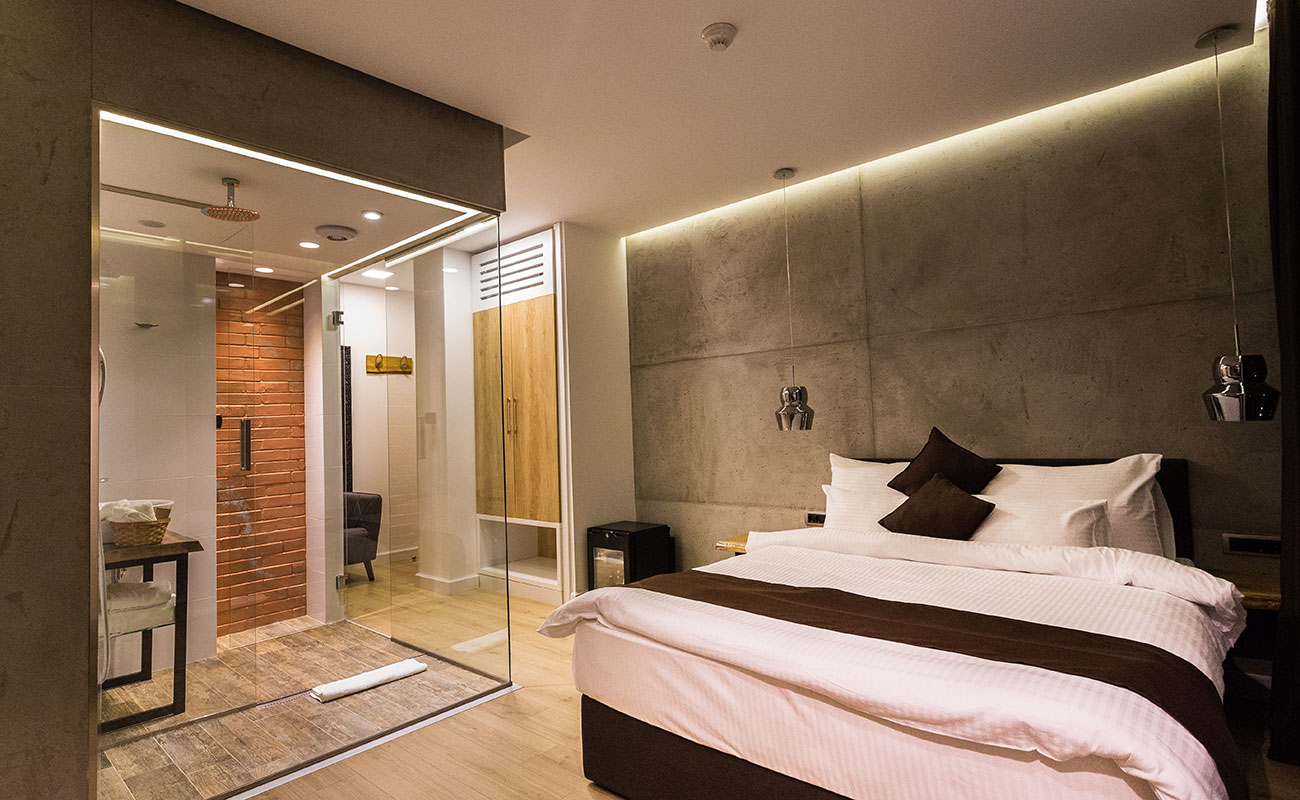
Understanding how much does it cost to renovate a bedroom can help you plan improvements without spending more than necessary. In the UK, a bedroom renovation can cost a few hundred pounds for a simple refresh or several thousand pounds for a complete transformation involving new flooring, fitted wardrobes, electrical work and other improvements.
The total cost depends on the size of the room, its current condition, the materials you choose, local labour rates and the amount of work required. Painting the walls and replacing old curtains will usually cost much less than removing built-in furniture, repairing damaged plaster, installing new lighting and fitting bespoke storage.
Whether you want to update a small spare bedroom, improve your main bedroom or prepare a property for sale, understanding the likely expenses will help you make sensible decisions.
This guide covers typical bedroom renovation costs, individual expenses, budget-friendly improvements, hidden costs and practical ways to plan your project.
Average Bedroom Renovation Costs in the UK
Bedroom renovation costs vary according to the condition of the room and the standard of finish you want. The following figures are broad budgeting estimates rather than fixed prices. Actual costs can vary by location, materials, labour, property size and project requirements.
| Type of bedroom renovation | Estimated cost |
|---|---|
| Simple cosmetic refresh | £200–£600 |
| Basic bedroom update | £500–£1,500 |
| Standard bedroom renovation | £1,000–£3,000 |
| Renovation with new flooring and storage | £2,000–£5,000 |
| Extensive renovation with electrical or plastering work | £3,000–£7,000 |
| High-specification or bespoke bedroom renovation | £5,000–£10,000+ |
These estimates can overlap because the work included in each project may differ. They should be used as a starting point for planning rather than as a promise of what a contractor will charge.
A simple refresh might involve repainting the walls, changing curtains, replacing lampshades and adding new accessories. A more extensive renovation could include repairing walls, replacing flooring, installing fitted wardrobes, updating lighting and improving the room’s layout.
If the bedroom has damp, damaged flooring, outdated wiring or structural problems, repairs may need to be completed before cosmetic improvements begin.
It is also worth separating renovation costs from the price of furniture. Buying a new bed, mattress, bedside tables and decorative accessories can increase your total spending considerably, even if the room itself needs little building work.
What Determines the Cost of Renovating a Bedroom?
Several factors affect the final price. Understanding these before you start can help you decide which improvements are essential and which can wait.
Size of the bedroom
A larger bedroom generally requires more paint, flooring, wallpaper and other materials. It may also take longer to decorate and install new fittings.
However, room size does not tell the whole story. A small bedroom with extensive damage or bespoke storage requirements can cost more to renovate than a larger room that only needs decorating.
For example, refreshing a small spare bedroom with paint and new curtains may be relatively inexpensive. Renovating a large main bedroom with fitted wardrobes, new lighting, flooring and repaired plaster will require a larger budget.
Measure the room before buying materials. Accurate measurements help reduce waste and make it easier to compare quotes.
Condition of the existing room
A bedroom with smooth walls, sound flooring and working electrical fittings is usually easier to update than one with peeling paint, damaged plaster or signs of moisture.
If the walls are in good condition, you may only need light preparation before painting. If the plaster is cracked or crumbling, repairs could add labour and material costs.
Floorboards may also need attention before new carpet, laminate or timber flooring can be installed.
Check for the cause of any damp patches before decorating. Painting over moisture problems may hide them temporarily without addressing the underlying issue.
Materials and finishes
The materials you choose can make a noticeable difference to the budget. Standard emulsion paint, ready-made curtains and ordinary carpet are generally less expensive than specialist wall finishes, bespoke window treatments and premium flooring.
Common choices include:
- Standard emulsion paint for walls and ceilings.
- Wallpaper for a feature wall or the entire room.
- Carpet for a softer floor covering.
- Laminate or engineered timber flooring.
- Ready-made wardrobes or fitted storage.
- Standard ceiling lights, wall lights or bedside lighting.
- Off-the-shelf curtains or made-to-measure blinds.
You do not need premium products throughout the room to achieve a good result. Selecting a few features carefully and keeping the remaining finishes simple can help you create a coordinated space without overspending.
Labour costs
Labour can account for a substantial part of a bedroom renovation, particularly if several types of work are involved.
Depending on the project, you may need a decorator, flooring installer, carpenter, electrician, plasterer or general builder. Labour charges vary by location, experience, availability and the complexity of the work.
Some tradespeople charge by the day, while others provide a price for the complete job. When comparing quotes, check whether preparation, materials, waste removal and finishing are included.
If you are renovating several bedrooms at once, ask whether completing the work together could reduce repeated preparation or travel costs.
Furniture and storage requirements
Furniture is often a major part of a bedroom budget. A new bed, mattress, wardrobe and chest of drawers can cost more than the decorating work itself.
Fitted wardrobes may make better use of awkward spaces, sloping ceilings or narrow alcoves, but they usually cost more than standard freestanding furniture.
Before buying new storage, assess what you already own. Keeping suitable furniture and updating its handles or finish may provide the improvement you need at a lower cost.
How Much Do Individual Bedroom Renovation Jobs Cost?
Breaking the project into separate tasks makes it easier to identify the main expenses and decide where to spend your money.
The following figures are indicative UK budgeting ranges. They are not guaranteed prices, and the final cost will depend on room size, materials, preparation, labour rates and the complexity of the work.
| Renovation task | Estimated cost |
|---|---|
| Painting a small bedroom | £150–£400 |
| Painting a medium-sized bedroom | £200–£600 |
| Wallpapering a feature wall | £100–£350 |
| Replacing bedroom carpet | £250–£800 |
| Installing laminate flooring | £300–£900 |
| Repairing and preparing walls | £100–£600 |
| Replacing a standard ceiling light | £60–£200 |
| Installing additional electrical points | £100–£300+ |
| Fitting a ready-made wardrobe | £100–£400 for installation |
| Installing fitted wardrobes | £800–£3,000+ |
| Replacing curtains or blinds | £100–£500+ |
These ranges are intended to help with early planning. Some costs refer mainly to labour, while others may include an allowance for materials. Always check what is covered in an actual quote.
For example, the cost of installing a wardrobe may not include the wardrobe itself. Similarly, replacing a light fitting may cost more if the wiring needs attention or the installation requires additional work.
If you are comparing quotes for flooring, check whether they include removing the old covering, preparing the subfloor, fitting underlay and moving furniture.
How Much Does It Cost to Renovate a Bedroom by Size?
The size of your bedroom can help establish an initial budget, although the condition of the room and the amount of work remain important.
Small bedroom
A small bedroom may cost around £500–£1,500 for a straightforward update involving painting, new curtains, lighting accessories and perhaps replacement flooring.
A more extensive renovation involving wall repairs, new flooring and additional storage may cost £1,500–£3,000 or more.
To keep the budget under control, choose furniture that fits the available space and avoid unnecessary structural changes. A compact wardrobe or storage bed may be more practical than several separate pieces of furniture.
Medium-sized bedroom
A medium-sized bedroom may cost approximately £1,000–£3,000 for a standard renovation. This could include painting, new flooring, updated lighting and a few furniture changes.
If you add fitted wardrobes, extensive plaster repairs or new electrical points, the total may rise to £3,000–£5,000 or more.
Decide whether the room needs a complete makeover or whether a few targeted improvements would achieve the same practical result.
Large bedroom
A large bedroom may cost £2,000–£5,000 for a substantial renovation, with higher costs possible for premium finishes or bespoke furniture.
The additional floor area increases the amount of decorating and flooring material required. Large rooms may also need more lighting, window treatments and storage.
If you want a dressing area, built-in wardrobes or a dedicated workspace, include these features in the original plan so you can compare their cost against your overall budget.
These estimates are broad guides, not direct calculations based on floor area. A small bedroom needing major repairs can cost more than a large bedroom that only requires new paint and flooring.
How Much Does It Cost to Paint and Decorate a Bedroom?
Painting and decorating are among the most affordable ways to improve a bedroom, provided the walls and ceiling are in reasonable condition.
A straightforward decorating job may cost a few hundred pounds, depending on the room’s size, the number of coats required, preparation and local labour rates.
The cost may increase if the walls need extensive filling, sanding, plastering or stain treatment. Wallpaper removal can also add time to the job, especially if several layers have been applied.
Your choice of finish matters too. Standard emulsion is suitable for many bedroom walls and ceilings, while specialist paints and decorative finishes can cost more.
To make a decorating budget go further:
- Choose a colour scheme before purchasing paint.
- Measure the walls and ceiling to estimate how much paint is needed.
- Repair small surface imperfections before painting.
- Use wallpaper selectively if a full room would exceed your budget.
- Reuse suitable curtains and furniture.
- Compare the cost of doing simple decorating yourself with hiring a professional.
DIY painting can save labour costs, but allow enough time for preparation and drying. Protect flooring and furniture properly, and use suitable equipment when working near ceilings.
How Much Does New Bedroom Flooring Cost?
Replacing old flooring can change the appearance and comfort of a bedroom, but the best option depends on your budget, the condition of the subfloor and your preferences.
Carpet
Carpet is a popular choice for bedrooms because it provides a soft surface underfoot. The total cost depends on the carpet’s quality, the size of the room, underlay, fitting and any preparation required.
Budget carpet may be suitable for a spare room, while a main bedroom that receives regular use may benefit from a more durable product.
Remember to include the cost of removing the old carpet and disposing of it if these services are not covered by the installer.
Laminate flooring
Laminate can offer the appearance of timber at a relatively accessible price. It is available in a range of colours and finishes, making it suitable for many bedroom designs.
The total price depends on the product, underlay, edging, fitting and preparation. The floor must be suitable and sufficiently even for the selected flooring system.
Laminate can feel harder and cooler underfoot than carpet, so consider whether you want rugs or other soft furnishings.
Engineered wood
Engineered wood generally costs more than many basic laminate options, but it can provide a natural timber appearance. Product quality and installation requirements vary.
Before choosing it, check the manufacturer’s guidance for the room, subfloor and maintenance requirements.
Repairing existing flooring
Replacing the entire floor is not always necessary. If the existing floorboards are sound, repairs and a suitable finish may be enough.
Ask a flooring professional to assess the condition of the floor before deciding whether to repair or replace it.
Is Fitted Bedroom Storage Worth the Cost?
Storage can make a bedroom more practical, especially when the room is small or has an awkward layout.
Freestanding wardrobes are usually easier to install and can be taken with you when you move. They are also available in a wide range of sizes and prices.
Fitted wardrobes can use the available space more efficiently. They may be particularly useful in rooms with sloping ceilings, alcoves or limited floor space. However, bespoke measurements, materials, installation and finishing can increase the cost.
Before choosing fitted storage, consider:
- How much hanging space you need.
- Whether drawers or shelves would be more useful.
- The amount of space required to open doors.
- Whether the design allows access to sockets and switches.
- How the wardrobe will fit around skirting boards and uneven walls.
- Whether the storage is likely to meet your needs in the future.
For a budget-friendly alternative, consider modular storage, ready-made wardrobes or a combination of open shelving and drawers.
Do not assume fitted furniture is always the best investment. The right option is the one that makes the room more useful at a price you can comfortably afford.
Hidden Costs to Include in Your Bedroom Renovation Budget
Some expenses only become clear after work begins. Allowing for them from the start can help prevent unpleasant surprises.
Wall and ceiling repairs
Removing wallpaper or old fittings may reveal cracks, damaged plaster or areas that need additional preparation.
Minor repairs may be straightforward, but extensive replastering can add both labour and drying time.
Subfloor repairs
Old flooring may conceal uneven boards, damaged sections or other problems. These should be assessed before the new floor covering is installed.
Fitting new flooring over an unsuitable surface can affect its appearance and performance.
Electrical changes
You may want extra sockets, bedside lighting, ceiling lights or improved access to switches. These changes can require new wiring and professional installation.
Use a suitably qualified electrician for electrical work, and check whether testing or certification is included where required.
Waste removal and delivery
Old carpets, broken furniture, packaging and removed fittings may need to be taken away. Delivery charges can also apply to flooring, wardrobes and large furniture.
Check these costs before ordering products or agreeing to a contractor’s price.
Temporary arrangements
If the bedroom is your main sleeping space, you may need to sleep elsewhere while the work is underway. This may not involve a financial cost if another room is available, but it is worth considering when planning the schedule.
How to Create a Realistic Bedroom Renovation Budget
A realistic budget begins with a clear list of priorities. Decide which problems need to be solved and which changes are mainly decorative.
For example, a bedroom with damaged flooring and poor storage may benefit more from repairing the floor and installing a suitable wardrobe than from buying expensive decorative accessories.
Divide your planned spending into categories:
- Preparation and repairs.
- Paint, wallpaper and other wall finishes.
- Flooring and underlay.
- Lighting and electrical work.
- Wardrobes and storage.
- Furniture and soft furnishings.
- Labour and installation.
- Delivery and waste disposal.
Obtain written quotes for the main jobs before committing to expensive purchases. This will help you understand how much money remains for optional improvements.
Set aside a contingency of around 10–20% of the planned renovation cost where possible. This is a useful starting point rather than a fixed rule. Older rooms or projects involving substantial repairs may need a larger allowance.
For example, if your planned renovation costs £2,000, an additional £200–£400 could help cover unexpected repairs or changes. If you do not need the reserve, you can keep the remaining money.
Avoid spending your entire budget on furniture and finishes before checking the cost of labour and necessary repairs.
Practical Ways to Save Money When Renovating a Bedroom
A bedroom can feel significantly different without every item being replaced.
Keep furniture that is still in good condition
A solid bed frame, wardrobe or chest of drawers may remain useful for years. Cleaning it, updating the handles or changing its position can improve the room without the cost of replacement.
Prioritise high-impact improvements
Fresh paint, clean flooring, suitable lighting and effective storage can make a noticeable difference. Start with the changes that solve the biggest problems.
Shop carefully for materials
Compare prices from different retailers and check the product specifications before buying. Make sure you have enough material for the job, including a reasonable allowance for cuts and waste.
Avoid choosing a product based on price alone if it is unsuitable for the room or requires expensive installation.
Avoid unnecessary structural changes
Moving doors, altering walls or adding new electrical circuits can increase costs. If the current layout works, concentrate on improving finishes, furniture placement and storage.
Structural alterations should be assessed properly before work begins, particularly if a wall may be load-bearing.
Do some work yourself where appropriate
Painting, clearing the room and assembling suitable flat-pack furniture may be manageable if you have the skills and time.
Leave specialist work to appropriately qualified professionals. Poor workmanship can lead to additional costs, particularly where electrical installations or significant repairs are involved.
Frequently Asked Questions
How much does it cost to renovate a bedroom in the UK?
A simple refresh may cost around £200–£600, while a standard renovation may cost £1,000–£3,000. Projects involving fitted wardrobes, new flooring, plaster repairs or electrical changes can cost considerably more. The final price depends on room size, location, materials, labour and the work required.
What is the cheapest way to renovate a bedroom?
Painting the walls, updating curtains, rearranging existing furniture and replacing a few accessories are among the more affordable improvements. Keeping sound flooring and furniture can also reduce costs.
How long does a bedroom renovation take?
A basic refresh may take a few days. A more extensive renovation involving flooring, plastering, fitted wardrobes or electrical work may take one to several weeks, depending on the scope, drying times, deliveries and availability of tradespeople.
Is it cheaper to renovate a bedroom yourself?
DIY work can reduce labour expenses if you have the necessary skills. However, mistakes, wasted materials and delays can reduce those savings. Painting and furniture assembly may be suitable for DIY, while electrical work and complicated repairs should be handled by qualified professionals.
Should I replace the flooring or keep the existing floor?
Keep the existing floor if it is in good condition, safe and suitable for your needs. Replace it if it is badly worn or damaged, or if you want a different finish. Have underlying problems assessed before covering them with new flooring.
Does renovating a bedroom increase property value?
A well-maintained bedroom can make a property more appealing to potential buyers, but the financial return depends on the property, the local market and the quality of the improvements. Expensive finishes do not guarantee a higher selling price, so prioritise practical improvements and a sensible budget.
Conclusion
Knowing how much does it cost to renovate a bedroom helps you make better decisions about materials, labour and the improvements that matter most. A simple decorating refresh may require only a modest budget, while a complete renovation involving new flooring, fitted wardrobes, electrical work and repairs can cost several thousand pounds.
The most effective way to control spending is to assess the room’s condition, set clear priorities and obtain detailed quotes before starting. Keep furniture and fittings that are still useful, compare materials carefully and allow for unexpected expenses.
Costs will vary according to location, materials, labour, room size and project requirements, so treat general estimates as a starting point rather than a guaranteed price. With careful planning, you can create a comfortable, attractive and practical bedroom without paying for improvements you do not need.