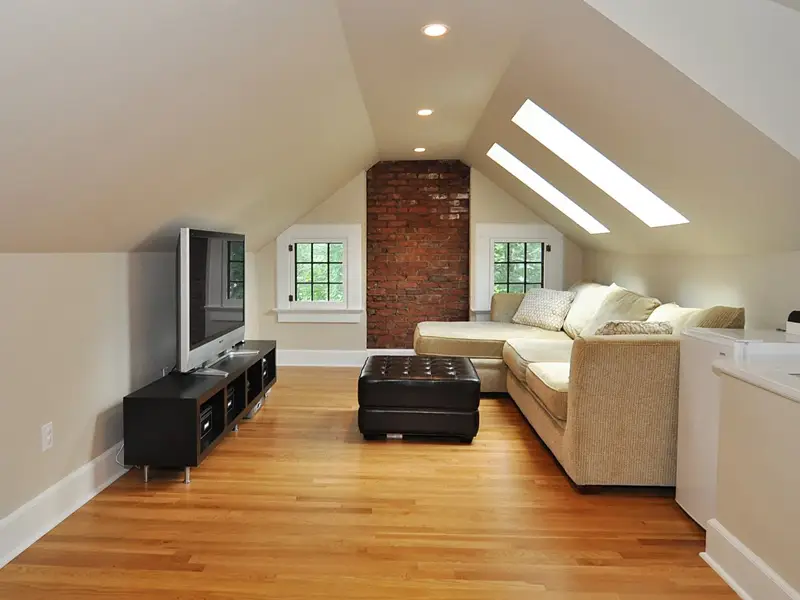
Understanding how much does it cost to renovate a living room can help you plan your improvements, choose suitable materials and avoid unnecessary spending. In the UK, a living room renovation may cost a few hundred pounds for a simple refresh or several thousand pounds for a complete makeover involving new flooring, lighting, plastering and other improvements.
The total cost depends on the size of the room, its current condition, the materials you choose, local labour rates and the amount of work required. Repainting the walls and updating curtains will usually cost far less than replacing the flooring, installing built-in storage, upgrading electrical fittings or altering the room’s layout.
Whether you want to modernise a tired living room, create a more comfortable family space or prepare your property for sale, understanding the likely expenses will help you make informed decisions.
This guide explains typical living room renovation costs, individual expenses, factors that affect your budget and practical ways to save money without sacrificing quality.
Average Living Room Renovation Costs in the UK
Living room renovation costs vary considerably because projects can range from simple decorating to extensive building work. The following figures are broad budgeting estimates, not fixed prices or guaranteed quotations. Actual costs vary by location, materials, labour, property size and project requirements.
| Type of living room renovation | Estimated cost |
|---|---|
| Simple cosmetic refresh | £200–£700 |
| Basic decorating and updates | £500–£1,500 |
| Standard living room renovation | £1,000–£3,000 |
| Renovation with new flooring and lighting | £2,000–£5,000 |
| Extensive renovation with repairs and fitted storage | £3,000–£8,000 |
| High-specification renovation | £8,000–£15,000+ |
These estimates are intended to help you establish an initial budget. They may overlap because the work included, the quality of materials and the condition of the room can differ substantially.
A simple refresh might involve painting the walls, replacing curtains, changing light fittings and rearranging existing furniture. A standard renovation could include new flooring, wall repairs, improved lighting and replacement furniture.
A more extensive project may involve plastering, fitted cabinetry, electrical upgrades, fireplace improvements or changes to the room’s layout. Structural alterations can increase the cost further and may require professional assessments or building regulations approval.
It is also important to distinguish renovation work from furnishing costs. Buying a new sofa, television, coffee table, rug and other accessories can add significantly to your spending even if the building work itself is relatively inexpensive.
What Affects the Cost of Renovating a Living Room?
Several factors influence the final bill. Understanding them before you begin can help you decide which improvements are necessary and where you can reduce spending.
Size of the room
A larger living room usually requires more paint, wallpaper, flooring and other materials. It may also take longer to decorate and install new fittings.
However, size is not the only factor. A small living room with damaged plaster, uneven flooring or complicated built-in storage may cost more to renovate than a large room that only needs fresh paint.
For example, refreshing a compact living room with new curtains and a coat of paint may require a modest budget. Renovating a large lounge with new flooring, fitted shelving, additional lighting and extensive repairs will generally involve more work and materials.
Measure the room before purchasing anything. Accurate measurements help you estimate material quantities, reduce waste and compare contractors’ quotations.
Condition of the existing room
The condition of your living room can make a major difference to the cost.
If the walls are smooth, the floor is sound and the electrical fittings work properly, you may be able to concentrate on decoration and furniture. If the room has cracks, damaged plaster, damp patches or uneven flooring, repairs may be necessary first.
Do not simply cover damp or recurring cracks with paint. Find out what is causing the problem and address it before spending money on new finishes.
Older properties may also need additional preparation before new flooring, lighting or fitted furniture can be installed.
Materials and finishes
Your choice of materials affects both the purchase price and the cost of installation.
Common options include:
- Standard emulsion paint or specialist wall finishes.
- Wallpaper for a feature wall or the entire room.
- Carpet, laminate, engineered wood or other suitable flooring.
- Ready-made shelving or bespoke fitted storage.
- Standard ceiling lights, wall lights or recessed lighting.
- Ready-made curtains or made-to-measure window treatments.
- Standard skirting boards or decorative mouldings.
Premium materials are not always necessary to create an attractive living room. Choosing durable, easy-to-maintain finishes and using more expensive materials selectively can help you achieve the look you want without stretching your budget.
Labour costs
Labour is an important part of a living room renovation, especially when several tradespeople are needed.
Depending on the work, you may need a decorator, flooring installer, carpenter, electrician, plasterer or general builder. Labour rates vary according to location, experience, availability and the complexity of the job.
Some tradespeople charge by the day, while others provide a fixed price for the agreed work. When comparing quotations, check whether preparation, materials, waste removal and finishing are included.
A low quote may not represent the best value if it excludes essential work that another contractor has included.
Changes to the layout
Keeping the existing layout is usually more straightforward than moving walls, doors, radiators or electrical points.
Relocating a radiator may involve plumbing alterations. Moving sockets or installing new lighting may require electrical work. Removing a wall can be much more complicated, particularly if it supports the structure above.
Before making major changes, ask an appropriate professional to assess what is possible and what additional costs or approvals may be required.
How Much Do Individual Living Room Renovation Jobs Cost?
Breaking the project into separate tasks makes it easier to understand where the money will go.
The figures below are indicative UK budgeting ranges. They are not guaranteed prices, and some may represent mainly labour while others include a basic allowance for materials. Your final cost will depend on room size, preparation, materials, labour rates and project requirements.
| Renovation task | Estimated cost |
|---|---|
| Painting a small living room | £200–£500 |
| Painting a larger living room | £300–£800 |
| Wallpapering a feature wall | £100–£350 |
| Replacing living room carpet | £300–£1,000 |
| Installing laminate flooring | £400–£1,200 |
| Installing engineered wood flooring | £800–£2,500+ |
| Repairing and preparing walls | £150–£800 |
| Replacing a standard ceiling light | £60–£200 |
| Installing additional electrical points | £100–£300+ |
| Fitting ready-made shelving | £100–£500 |
| Installing bespoke fitted storage | £800–£3,000+ |
These figures should be used as a starting point rather than as a substitute for a quotation. A flooring price may exclude removal of the old covering, subfloor repairs, underlay or moving furniture. Similarly, a fitted storage estimate may exclude the cost of materials or specialist finishing.
Ask contractors to itemise the work so you can see exactly what you are paying for.
How Much Does It Cost to Renovate a Living Room by Size?
Room size can help you estimate your budget, but the condition of the space and the type of work required are equally important.
Small living room
A small living room may cost around £500–£1,500 for a straightforward refresh involving paint, curtains, lighting accessories and a few decorative changes.
A more extensive update with new flooring, wall repairs and improved storage could cost £1,500–£3,000 or more.
To keep costs manageable, choose furniture that fits the available space and avoid unnecessary structural changes. Repainting existing furniture or installing simple shelves may provide useful improvements without requiring a complete replacement of everything in the room.
Medium-sized living room
A medium-sized living room may cost approximately £1,000–£3,000 for a standard renovation involving decorating, flooring and selected improvements.
If the project includes fitted storage, extensive plaster repairs, new electrical points or premium finishes, the budget may rise to £3,000–£6,000 or more.
Plan the main elements together. For example, decide where the television and sofa will go before installing sockets, lighting or built-in shelving.
Large living room
A large living room may cost £2,000–£5,000 for a substantial renovation, with higher costs possible for bespoke furniture, extensive flooring or major alterations.
Larger spaces require more materials and may need additional lighting to avoid poorly lit areas. They can also require larger rugs, window treatments and furniture.
If the room has high ceilings, large windows or an open-plan layout, decorating and finishing work may be more complicated.
These figures are broad guides rather than calculations based solely on floor area. A small room requiring significant repairs may cost more than a large room that only needs new paint and carpet.
How Much Does It Cost to Paint and Decorate a Living Room?
Painting and decorating are among the simplest ways to refresh a living room without undertaking a complete renovation.
The cost depends on the room’s size, the condition of the walls, the number of coats required and whether you hire a professional. A straightforward job may cost a few hundred pounds, while extensive preparation and specialist finishes can increase the price.
Before painting, walls may need cleaning, filling, sanding or priming. Removing old wallpaper can also take time, particularly if several layers have been applied.
Your choice of finish affects the materials budget. Standard emulsion is suitable for many living room walls and ceilings, while specialist paints, decorative effects and premium wallpaper may cost more.
To control decorating costs:
- Choose your colour scheme before buying materials.
- Measure the walls and ceiling to estimate paint requirements.
- Repair surface imperfections before painting.
- Use wallpaper on one feature wall if covering the whole room is too expensive.
- Retain suitable curtains and furniture.
- Compare professional decorating quotes before making a decision.
DIY painting can reduce labour costs if you have the necessary skills and time. However, proper preparation is essential. Protect the flooring and furniture, use suitable equipment and allow enough time for each coat to dry.
How Much Does New Living Room Flooring Cost?
Flooring affects the appearance, comfort and maintenance needs of a living room. The right choice depends on your budget, household needs, existing subfloor and preferred style.
Carpet
Carpet creates a soft surface underfoot and can make a living room feel comfortable. Prices depend on the carpet’s quality, room dimensions, underlay and installation.
A budget carpet may suit a room that receives occasional use, while a durable option may be preferable for a busy family living room.
Remember to include removal of the old carpet and any necessary subfloor preparation.
Laminate flooring
Laminate is available in a wide range of colours and timber-style finishes. It can be a practical choice for homeowners who want the appearance of wood without paying for solid timber.
The total cost depends on the product, underlay, installation and preparation. The subfloor needs to be suitable for the chosen flooring system.
Laminate can feel harder and cooler than carpet, so you may want to include rugs in your overall room plan.
Engineered wood flooring
Engineered wood offers a natural timber appearance and can suit a range of interior styles. It generally costs more than many basic laminate options, although prices vary by product and specification.
Check the manufacturer’s guidance on installation, cleaning and maintenance before choosing it.
Repairing existing flooring
Replacing the entire floor is not always necessary. If the existing floorboards are sound, repairing damaged areas or refinishing the surface may be a more economical option.
Ask a flooring professional to assess the condition of the floor before deciding whether repair or replacement offers better value.
How Much Does Built-In Living Room Storage Cost?
Built-in storage can make a living room more organised by providing space for books, electronics, decorative objects and everyday items.
Ready-made shelves and cabinets are generally less expensive than bespoke joinery. They can also be moved or replaced more easily when your needs change.
Bespoke fitted storage may make better use of alcoves, unusual wall shapes or spaces around a fireplace. However, custom measurements, materials, installation and finishing can increase the total cost.
Before choosing a storage system, consider:
- What items need to be stored.
- Whether open shelves or closed cupboards would be more useful.
- How much space is available around doors and windows.
- Where electrical sockets and cables are located.
- Whether the design will allow adequate ventilation for electronics.
- How the storage will affect the room’s appearance and movement.
A combination of ready-made furniture and a few fitted elements may provide a practical compromise between cost and appearance.
Hidden Costs to Include in Your Renovation Budget
Some expenses only become clear after work begins. Allowing for them in advance can help you avoid unexpected financial pressure.
Wall and ceiling repairs
Removing wallpaper, old shelving or damaged fittings may reveal cracks, uneven plaster or other problems.
Minor repairs may be inexpensive, but extensive plastering can add labour and drying time.
Subfloor preparation
Old flooring may conceal uneven boards or damaged sections. These problems should be assessed before new carpet, laminate or timber flooring is installed.
Installing a new floor over an unsuitable surface can affect its appearance and performance.
Electrical work
You may want additional sockets, wall lights, recessed lighting or improved cable management. These changes may require new wiring and professional installation.
Use a suitably qualified electrician, and check whether necessary testing or certification is included.
Heating and radiator changes
Moving or replacing a radiator may involve plumbing work, new fittings and repairs to the surrounding wall or floor.
Consider whether the existing radiator meets your needs before deciding to replace it.
Waste disposal and delivery
Old flooring, broken furniture, packaging and removed fittings may need to be taken away. Large items such as flooring and fitted storage can also involve delivery charges.
Check whether these services are included in the quotation.
Furniture and temporary arrangements
You may need to move furniture into another room or pay for temporary storage while work takes place. If the living room is used for several household activities, consider how you will manage without it during the renovation.
How to Create a Realistic Living Room Renovation Budget
A realistic budget begins with a clear understanding of what needs to change. Decide whether your main priority is improving the room’s appearance, making it more comfortable, increasing storage or repairing existing problems.
List the essential work first, followed by optional upgrades.
Divide the budget into categories such as:
- Repairs and preparation.
- Paint, wallpaper and wall finishes.
- Flooring and underlay.
- Lighting and electrical work.
- Storage and fitted furniture.
- New furniture and accessories.
- Labour and installation.
- Delivery and waste disposal.
Obtain written quotations for the main tasks before buying expensive materials or furniture. This will help you understand how much money remains for optional improvements.
Where possible, keep an additional 10–20% of the planned renovation budget as a contingency. This is a useful starting point rather than a fixed requirement. Older properties or rooms with visible damage may need a larger reserve.
For example, if your planned renovation costs £3,000, an additional £300–£600 could help cover unexpected repairs or changes. If you do not need the reserve, you can keep the remaining money rather than spending it unnecessarily.
Avoid committing your entire budget to furniture and decorative items before confirming the cost of repairs, flooring and labour.
Practical Ways to Save Money When Renovating a Living Room
A living room can feel significantly different without replacing everything in it.
Keep furniture that is still useful
A sofa, coffee table, bookcase or television unit may still be suitable even if the room looks dated. Cleaning upholstery, changing furniture handles or rearranging the layout can improve the space at a lower cost.
If a sofa is structurally sound but the fabric looks tired, compare the cost of professional cleaning or reupholstery with replacement.
Focus on the most noticeable improvements
Fresh paint, clean flooring, suitable lighting and effective storage can have a substantial effect on how a room feels.
Identify the changes that solve the biggest problems rather than buying decorative accessories simply to fill the space.
Compare materials and quotations
Compare products based on quality, durability, maintenance and installation requirements, not just purchase price.
Obtain more than one quote where practical, and make sure each contractor is pricing the same scope of work. Ask about exclusions, payment terms, timescales and how additional work will be charged.
Avoid unnecessary structural changes
Moving walls, doors, radiators or electrical points can increase the budget. If the current layout works, focus on improving finishes, lighting and furniture placement.
Structural alterations should be assessed properly before work starts, particularly if a wall may be load-bearing.
Do suitable work yourself
Painting, clearing the room and assembling appropriate furniture may be manageable DIY tasks if you have the necessary skills.
Leave specialist electrical work and complicated building repairs to appropriately qualified professionals. Poor workmanship can lead to additional costs and safety problems.
Frequently Asked Questions
How much does it cost to renovate a living room in the UK?
A simple refresh may cost around £200–£700, while a standard renovation may cost £1,000–£3,000. Projects involving fitted storage, extensive repairs, new flooring or electrical upgrades can cost considerably more. The final price depends on location, materials, labour, room size and the work required.
What is the cheapest way to renovate a living room?
Painting the walls, rearranging existing furniture, updating curtains and improving lighting are among the more affordable options. Keeping sound flooring and furniture can also reduce costs.
How long does a living room renovation take?
A simple decorating project may take a few days. A more extensive renovation involving flooring, plastering, fitted storage or electrical work may take one to several weeks, depending on the work, drying times, deliveries and availability of tradespeople.
Is it cheaper to renovate a living room yourself?
DIY work can reduce labour expenses if you have the necessary skills and time. However, mistakes and wasted materials can reduce those savings. Painting and furniture assembly may be suitable DIY tasks, while electrical work and major repairs should be handled by qualified professionals.
Should I replace my living room flooring?
Replace the flooring if it is badly worn, damaged or unsuitable for your needs. If the existing floor is in good condition, cleaning, repairing or refinishing it may be more economical. Assess any underlying problems before covering them with a new floor.
Does renovating a living room increase property value?
A well-maintained living room can make a property more appealing to potential buyers, but a higher selling price is not guaranteed. The outcome depends on the property, the local market and the quality and cost of the improvements. Focus on practical, well-finished work rather than assuming expensive features will pay for themselves.
Conclusion
Understanding how much does it cost to renovate a living room helps you plan improvements according to your priorities and available budget. A simple refresh may require only a few hundred pounds, while a complete renovation involving new flooring, fitted storage, electrical work and extensive repairs can cost several thousand pounds.
The best way to control spending is to assess the room’s condition, identify essential improvements and compare detailed quotations before starting. Keep suitable furniture, choose durable materials and avoid unnecessary layout changes where possible.
Remember that costs vary by location, materials, labour, property size and project requirements. Treat general estimates as a starting point, allow for unexpected expenses and make decisions based on how you actually use the room.
With careful planning, you can create a comfortable, attractive living room that suits your household without paying for improvements you do not need.