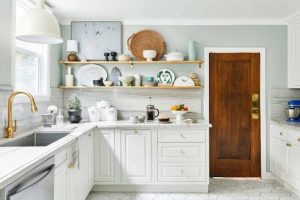
A kitchen renovation does not have to involve expensive cabinets, costly worktops or a complete change of layout. With the right affordable kitchen remodeling ideas, you can improve the appearance, storage and functionality of your kitchen while keeping spending under control.
Whether you have a small kitchen in a flat or a larger family kitchen that needs updating, simple changes can make a noticeable difference. Repainting cabinets, replacing old handles, improving lighting and making better use of storage are practical ways to refresh the space without paying for a full renovation.
The key is to identify what needs improving, decide which changes offer the best value and avoid replacing items that are still in good condition. This guide explores budget-friendly kitchen upgrades, explains where to spend and where to save, and offers practical advice for planning a successful kitchen makeover.
1. Refresh Kitchen Cabinets with Paint
Replacing kitchen cabinets can be expensive, especially when the existing units are still structurally sound. Painting them is often a more affordable way to give the kitchen a fresh appearance.
Before choosing this option, inspect the cabinet doors, frames and hinges. Solid timber and suitable painted surfaces may respond well to preparation and repainting. Some laminate and foil-wrapped finishes require specialist products or may not be suitable for painting if the surface is peeling.
For a lasting finish, the preparation matters as much as the paint itself.
A typical process involves:
- Removing the doors, handles and hinges where practical.
- Cleaning away grease and dirt.
- Lightly sanding suitable surfaces.
- Applying an appropriate primer.
- Using paint designed for kitchen cabinets or furniture.
- Allowing each coat to dry properly before reassembly.
Choose a colour that works with your worktops, flooring and wall finishes. Warm white, soft grey, muted green and natural-looking neutral shades can create different effects without requiring other major changes.
For example, painting dark wooden cabinets a lighter colour may help a small kitchen feel brighter. Alternatively, keeping the lower cabinets darker while using a lighter shade above can introduce contrast.
The cost depends on the number and condition of the cabinets, the paint system, preparation required and whether you do the work yourself or hire a decorator. If the cabinet frames are swollen from water damage or the doors are badly deteriorated, replacement may be more practical.
2. Replace Cabinet Handles and Knobs
Changing cabinet handles is a simple way to update a kitchen without replacing the units themselves.
Old, mismatched or worn handles can make cabinets look dated, even when the doors remain in good condition. New hardware can give the room a more coordinated appearance with relatively little disruption.
Popular options include:
- Brushed metal handles for a contemporary finish.
- Black handles for contrast against lighter cabinets.
- Brass-coloured knobs for a warmer decorative effect.
- Simple stainless-steel handles for a practical, understated look.
- Traditional knobs for kitchens with a classic style.
Before buying replacements, measure the distance between the existing screw holes. Handles with matching measurements are easier to install because you may not need to drill new holes or repair the doors.
If you choose a different handle size, check that the new fittings will cover the old holes properly and sit comfortably in the hand.
This is also a good opportunity to inspect loose hinges and damaged screws. Small repairs can improve how the doors open and close.
Although individual handles may be inexpensive, replacing hardware throughout a large kitchen can add up. Count the required fittings and compare the total price before ordering.
3. Update the Kitchen Splashback
A splashback protects the wall behind areas such as the cooker and sink, but it can also become a major decorative feature.
If your existing splashback is damaged, stained or difficult to clean, replacing or refreshing it may improve the kitchen without requiring a complete renovation.
Budget-friendly options include:
- Simple ceramic tiles.
- A small feature section of patterned tiles.
- Suitable wall panels designed for kitchen use.
- A straightforward glass splashback.
- Replacing only the damaged or outdated section where practical.
You may not need to cover an entire wall. A carefully chosen splashback behind the hob or sink can provide visual interest while keeping material and installation costs lower.
For example, plain cabinets and a neutral worktop can be complemented by a small area of patterned tiles. This creates a focal point without introducing expensive finishes throughout the room.
Choose materials that are appropriate for the location and can withstand the heat, moisture and cleaning requirements involved. Products installed behind a cooker must meet the manufacturer’s guidance for that appliance and installation.
If you plan to tile over an existing surface, check whether the wall can support the additional weight and whether the current finish is sound. Covering loose tiles or damaged plaster may create problems later.
4. Improve Kitchen Lighting
Lighting can change how a kitchen looks and how comfortably you can use it. A room with dark corners or poor task lighting may feel less welcoming, even if the cabinets and worktops are in good condition.
You can improve the lighting without redesigning the entire space.
Consider these options:
- Replace unsuitable or outdated light fittings.
- Add task lighting beneath wall cabinets.
- Use suitable lighting above food preparation areas.
- Choose a consistent light colour for a more coordinated appearance.
- Make better use of daylight by keeping windows clear of unnecessary clutter.
- Clean existing lampshades and fittings if they are still in good condition.
Under-cabinet lighting can be particularly useful because it illuminates the worktop without relying entirely on the main ceiling light. Some products are designed for straightforward installation, while others require electrical work.
When selecting lighting, consider both brightness and colour temperature. Warm light can create a comfortable atmosphere, while a more neutral white may be useful for food preparation. The best choice depends on your kitchen’s design and how you use the space.
Electrical work should be completed by a suitably qualified professional where required. Avoid placing unsuitable fittings near water or heat sources.
The overall cost depends on the number of lights, the type of fittings, wiring requirements and installation labour. Planning the locations before purchasing products can help prevent unnecessary spending.
5. Affordable Kitchen Remodeling Ideas for Worktops
Worktops occupy a large part of the kitchen’s visible surface, so their condition can strongly influence the overall appearance.
If your existing worktop is sound, cleaning it thoroughly and repairing minor issues where appropriate may be enough. If it is badly damaged, stained or unsuitable for everyday use, replacement may be worth considering.
Affordable options vary according to the material and installation requirements.
Laminate worktops are often considered by homeowners working with a limited budget because they are available in many colours and patterns. Some designs imitate timber or stone, allowing you to achieve a particular look without choosing natural materials.
Other possibilities include:
- Replacing only a damaged section where a suitable matching product is available.
- Choosing a simple, neutral worktop rather than an elaborate finish.
- Retaining a sound worktop while updating the cabinets and splashback.
- Comparing standard sizes with custom-made options.
- Choosing an edge profile that suits the kitchen without adding unnecessary complexity.
A new worktop may also require adjustments to sinks, taps, joints or appliances. These additional tasks should be included when comparing quotations.
Do not assume that every worktop can be fitted safely as a DIY project. Heavy materials, precise cutting and plumbing connections may require specialist help.
Before deciding, compare the complete cost of the product, delivery, removal of the old worktop and installation. A low purchase price does not always represent the lowest final cost.
6. Give the Walls a Fresh Coat of Paint
Painting the walls is one of the most straightforward ways to refresh a kitchen.
Grease, steam and everyday use can leave walls looking tired over time. A fresh coat of suitable paint can make the space feel cleaner and help other features stand out.
Choose a finish designed for the conditions in your kitchen and follow the manufacturer’s preparation and application instructions. Areas exposed to frequent splashes may need a more washable product than a wall that rarely gets dirty.
Before painting:
- Remove grease and surface dirt.
- Repair small holes and cracks.
- Allow damp surfaces to dry and investigate the cause of any persistent moisture.
- Protect cabinets, appliances and flooring.
- Use primer where the surface or paint system requires it.
Colour can also influence the atmosphere of the room. Pale shades may help a darker kitchen feel brighter, while a deeper colour on one wall can create contrast.
However, paint cannot solve underlying problems such as water penetration, damaged plaster or persistent mould. Address the cause before decorating.
The cost will depend on the kitchen’s size, the condition of the walls, the paint selected and whether you complete the work yourself.
7. Make Better Use of Existing Storage
A kitchen can feel cramped even when it contains enough cupboards. Poor organisation often means useful space is difficult to reach or everyday items occupy the worktop.
Improving storage may be cheaper than installing additional cabinets.
Start by emptying cupboards and drawers, grouping similar items and removing anything you no longer need. Then assess where frequently used equipment should be kept.
Useful additions include:
- Drawer dividers for cutlery and utensils.
- Shelf risers for plates and mugs.
- Stackable containers for dry ingredients.
- Hooks for suitable utensils or mugs.
- Organisers for cleaning products.
- Pull-out baskets designed for existing cupboards.
- Wall-mounted rails where there is suitable space.
For example, a deep cupboard may contain several layers of pans, making items at the back difficult to reach. A suitable pull-out organiser can make better use of the available space without replacing the entire cabinet.
Measure carefully before buying storage accessories. Check the internal width, depth and height of the cupboard, including any hinges or pipes that may obstruct installation.
Avoid filling every wall with shelves simply because they are inexpensive. Too many visible items can make a small kitchen feel cluttered. Focus on practical storage that improves access and keeps work surfaces clear.
8. Upgrade the Kitchen Tap and Sink Accessories
The sink area is used frequently, so worn fittings can make an otherwise tidy kitchen feel outdated.
Replacing a tap may provide a visible improvement without changing the cabinets or worktops. Depending on your needs, you could choose a simple modern design, a pull-out spray model or a fitting with controls that are easier to operate.
Before buying a new tap, check:
- The number and position of existing tap holes.
- Compatibility with the sink or worktop.
- Water pressure requirements.
- Available space beneath the sink.
- The condition of existing plumbing connections.
- Whether any additional parts are required.
A new sink may be more expensive because the worktop opening, waste connections and plumbing may need adjustments. If the existing sink is undamaged, replacing the tap and renewing suitable sealant may offer better value.
Do not use fresh sealant to conceal a leak or damaged surface. Find and fix the underlying issue first.
Installation costs depend on the fitting, access to the plumbing and any necessary repairs. Ask for a complete quotation before deciding whether to replace the tap or sink.
9. Refresh the Floor Without Replacing Everything
Kitchen flooring must cope with foot traffic, spills, cleaning and regular use. If the existing floor is still safe and in good condition, cleaning it thoroughly may be the cheapest option.
Where replacement is necessary, compare materials according to durability, water resistance, maintenance and installation requirements.
Possible choices include:
- Suitable vinyl flooring.
- Selected laminate products approved for the intended kitchen conditions.
- Ceramic or porcelain tiles.
- Other flooring products designed for kitchen use.
Vinyl is available in many patterns and can offer a practical option for some budgets. Tiles may be durable but can involve more preparation and installation work. Laminate suitability depends on the product’s water resistance and the manufacturer’s instructions.
Do not install new flooring over a damaged, damp or uneven base without addressing the problem. Poor preparation can lead to movement, lifting or premature failure.
You should also check whether the new floor will affect door clearance, appliance positions or the height of fitted units.
The total price depends on the kitchen’s floor area, the material selected, subfloor condition, waste removal and labour. Obtain a full estimate rather than comparing material prices alone.
10. Update Open Shelving Carefully
Replacing some upper cabinets with open shelving can change the appearance of a kitchen, particularly when the room feels visually crowded.
However, removing cabinets is not always cheaper once wall repairs, replacement storage and installation are considered.
A more economical approach may be to introduce one or two shelves in a suitable area while retaining most existing cupboards.
Open shelves work well for items used regularly, such as mugs, bowls or attractive storage jars. They can also make a small area feel less enclosed.
Before installing shelves, check that the wall and fixings are suitable for the intended load. Shelves holding heavy crockery need appropriate supports and secure installation.
Consider the practical disadvantages too. Items left on open shelves may collect grease and dust more quickly than objects stored behind cupboard doors.
If your kitchen lacks storage, removing too many cabinets could make everyday use less convenient. Test the arrangement on paper before making permanent changes.
11. Replace Small Accessories for a Coordinated Look
Small details can make a kitchen look more finished without requiring major building work.
Consider updating a few accessories that are worn, mismatched or difficult to clean.
Examples include:
- Matching cabinet handles.
- A coordinated soap dispenser and washing-up liquid holder.
- New tea towels and oven gloves.
- A simple window blind suitable for the location.
- Matching storage containers.
- A practical bin with an appropriate capacity.
- A few decorative items that do not crowd the worktop.
The aim is not to buy everything new. Choose a limited number of changes that work with the colours and finishes already in the room.
For instance, matching the cabinet handles, tap finish and a few accessories can create a more coordinated appearance without replacing the cabinets or worktop.
Avoid purchasing decorative items before deciding on the overall look. A simple colour scheme and a few carefully chosen details often work better than numerous unrelated additions.
12. Improve Energy Efficiency Where It Makes Sense
Some kitchen improvements can reduce energy use as well as improve comfort.
Replacing unsuitable lighting with efficient alternatives may reduce electricity consumption. Maintaining appliances, improving ventilation and choosing energy-efficient replacements when existing equipment reaches the end of its useful life can also help.
However, replacing working appliances purely for potential savings may not be worthwhile if the upfront cost is high.
Before buying a new appliance, compare its purchase price, energy label, expected use, capacity and installation requirements. The potential running-cost difference depends on the appliance, how often it is used and local energy prices.
Simple habits can also help, such as using appropriately sized pans, keeping refrigerator seals in good condition and avoiding unnecessary standby use where practical.
If an appliance is unsafe, repeatedly failing or unsuitable for your needs, replacement may be justified. Otherwise, consider whether maintenance or a smaller improvement is enough.
13. Decide When to Repair and When to Replace
One of the most important decisions in a budget kitchen makeover is determining which existing items are worth keeping.
Repairing a cupboard door, replacing a hinge or repainting a sound cabinet may be economical. However, repeatedly repairing a badly damaged unit can become more expensive than replacing it.
Use these questions to guide your decision:
- Is the item safe and structurally sound?
- Can it be repaired to a satisfactory standard?
- Will the repair last under normal use?
- How much will the repair and finishing work cost?
- Would replacement create additional plumbing, electrical or building work?
- Does the item meet your household’s practical needs?
For example, a cabinet door with a loose hinge may only need a small repair. A cabinet that has swollen significantly after a leak may need replacing, particularly if its structure can no longer support the door or worktop safely.
Compare the complete cost of both options, including labour, materials and any related work.
A balanced renovation often combines repairs, selective replacements and cosmetic updates rather than choosing one approach for every part of the kitchen.
14. Plan the Work to Avoid Expensive Mistakes
Even an affordable kitchen makeover can become costly if tasks are completed in the wrong order or important measurements are overlooked.
Before starting, create a simple plan covering the intended changes, products, measurements, contractor responsibilities and sequence of work.
For example, wall repairs and painting should generally be completed before installing delicate new finishes. Worktop measurements should be confirmed after the relevant cabinets are installed and levelled.
To keep the project organised:
- Finalise the design before ordering materials.
- Check measurements more than once.
- Confirm product availability and delivery dates.
- Agree on what the contractor’s quotation includes.
- Protect existing flooring and appliances.
- Keep records of spending and receipts.
- Set aside money for unexpected repairs.
- Avoid making unnecessary changes after installation begins.
If the renovation involves electrical changes, gas appliances, structural alterations or complex plumbing, seek appropriate professional help and check the relevant requirements.
A little preparation can prevent wasted materials, repeat visits and avoidable delays.
Frequently Asked Questions
What is the cheapest way to remodel a kitchen?
Refreshing existing cabinets, changing handles, repainting walls, improving storage and updating lighting can be economical ways to improve a kitchen. Keeping the existing layout may also reduce plumbing, electrical and installation costs.
The best option depends on the condition of your kitchen and the improvements you need.
Can I remodel my kitchen without replacing the cabinets?
Yes. If the cabinet frames and doors are in good condition, you may be able to repaint them, replace the handles, adjust hinges or repair minor damage. This can refresh the kitchen without the expense of installing entirely new units.
Extensively damaged or water-swollen cabinets may be better replaced.
How much does an affordable kitchen remodel cost?
The price depends on the size of the kitchen, the materials, labour rates, location and project requirements. A simple cosmetic refresh may cost considerably less than replacing cabinets, worktops, flooring and appliances.
Obtain detailed local quotations and include delivery, waste removal and any necessary repairs when calculating the budget.
Is it cheaper to paint kitchen cabinets or replace them?
Painting is often cheaper when the existing cabinets are sound and suitable for refinishing. Replacement may be more practical when the units are damaged, poorly fitted or no longer meet your storage needs.
Compare preparation, materials, labour and the expected durability of each option before deciding.
Which kitchen upgrades offer good value on a limited budget?
Cabinet painting, new handles, better lighting, organised storage and a fresh coat of wall paint can improve the appearance and usefulness of a kitchen without major alterations.
Choose upgrades that solve an actual problem rather than spending money on decorative features you do not need.
Should I renovate my kitchen myself or hire a professional?
DIY can save labour costs on suitable tasks such as painting and organising storage. Professional help is advisable for work requiring specialist skills, such as complex plumbing, electrical installations, gas work or structural alterations.
Consider your experience, available time and the cost of correcting mistakes before deciding.
Conclusion
Affordable kitchen remodeling ideas can help you create a cleaner, more practical and attractive kitchen without committing to a complete renovation. The biggest savings often come from keeping useful existing features, making selective improvements and avoiding unnecessary changes to the layout.
Start with a realistic budget and prioritise the upgrades that will make the greatest difference to everyday use. Refresh cabinets, improve lighting, organise storage and choose materials that offer a sensible balance between price, durability and maintenance.
Before buying products or hiring a contractor, compare the full cost of each option and allow for unexpected repairs. With careful planning and thoughtful choices, you can give your kitchen a fresh look while keeping spending within a manageable limit.