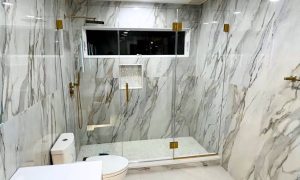
Choosing the best bathroom wall materials is important for creating a room that looks attractive, handles moisture and remains easy to maintain. Bathroom walls are regularly exposed to steam, splashes and changes in temperature, so the materials must suit the conditions in which they will be used.
Popular options include ceramic tiles, porcelain tiles, waterproof wall panels, moisture-resistant paint, natural stone and specialist wall coverings. Each has different benefits, installation requirements and maintenance needs. Some are ideal for shower areas, while others work better on walls that receive little direct water.
The right choice depends on your budget, bathroom layout, ventilation, preferred style and the amount of maintenance you are willing to undertake. This guide compares the main options, explains their advantages and disadvantages, discusses typical costs and helps you select suitable materials for different parts of your bathroom.
What makes the best bathroom wall materials?
Bathroom walls need to withstand moisture without allowing water to damage the underlying structure. However, not every wall requires the same level of protection.
A wall directly behind a shower needs a suitable waterproofing system and a finish designed for frequent water exposure. A wall above a basin may only need protection against occasional splashes, depending on the layout.
When comparing materials, consider these important factors.
- Water resistance: The material and its installation system should suit the amount of water and moisture the wall will encounter.
- Durability: Bathroom walls should withstand everyday use, cleaning and temperature changes without deteriorating quickly.
- Maintenance: Consider whether the surface needs regular sealing, specialist cleaning or occasional repainting.
- Appearance: Choose colours, patterns and textures that complement the bathroom fittings and flooring.
- Installation cost: Some materials are relatively straightforward to install, while others require specialist skills and extensive preparation.
- Repairability: Consider how easily a damaged section can be repaired or replaced.
- Ventilation: Even suitable wall finishes can suffer if the bathroom remains excessively damp or has persistent condensation.
It is also important to understand that a water-resistant surface is not automatically a waterproof wall. Tiles, panels and paint may form part of a suitable system, but joints, corners, pipe openings and the surface behind the finish must also be properly protected where required.
Best bathroom wall materials: the main options compared
The following table provides a quick overview of common bathroom wall finishes.
| Material | Main advantages | Potential drawbacks |
|---|---|---|
| Ceramic tiles | Versatile, easy to clean, widely available | Grout needs maintenance |
| Porcelain tiles | Dense, durable, low water absorption | Can cost more to buy and install |
| Waterproof wall panels | Fewer joints, quick cleaning, modern designs | Quality and installation systems vary |
| Moisture-resistant paint | Affordable, easy to update | Not suitable for every wet area |
| Natural stone | Distinctive, premium appearance | Often expensive and may need sealing |
| Acrylic or specialist shower panels | Lightweight, practical, easy to clean | Surface can scratch; design options vary |
| Microcement systems | Contemporary, continuous appearance | Requires specialist application and maintenance |
The most suitable material depends on the location of the wall and the manufacturer’s instructions. A product designed for a dry bathroom wall should not automatically be used inside a shower enclosure.
Ceramic tiles: a versatile bathroom wall finish
Ceramic tiles are among the most common choices for bathroom walls. They are available in many colours, sizes, patterns and finishes, making it easy to create both traditional and contemporary designs.
Their glazed surfaces are generally easy to wipe clean and resist ordinary bathroom splashes. This makes them particularly useful around basins, baths and many shower installations when installed as part of a suitable system.
Ceramic tiles can also be relatively affordable compared with some premium finishes. Simple white tiles may create a clean, understated look, while patterned tiles can add interest to a feature wall or shower enclosure.
One of the main considerations is grout maintenance. Dirt and soap residue can collect in grout lines, and damaged joints may allow water to reach the substrate. Regular cleaning and timely repairs help maintain the finish.
Ceramic tiles can chip if struck by a hard object, although individual tiles can often be replaced when matching replacements are available.
Installation requires careful surface preparation, correct adhesive selection and properly finished joints. Tiles should be installed over a suitable substrate, with waterproofing where the application requires it.
Ceramic tiles are a practical choice for homeowners who want a durable, easy-to-clean finish with plenty of design flexibility.
Porcelain tiles: a durable option for wet areas
Porcelain tiles are made from refined clay and fired at high temperatures. They are generally denser than standard ceramic tiles and have low water absorption, making them a strong option for bathroom walls.
They are available in a wide variety of designs, including finishes that imitate marble, concrete, wood and natural stone. Large-format porcelain tiles can create a modern appearance with fewer grout lines.
Porcelain is suitable for many shower and bath areas when the complete installation is designed to manage moisture correctly. Its dense surface is also resistant to many everyday stains.
However, porcelain tiles can be more expensive than basic ceramic tiles. Large or heavy tiles may require specialist handling, suitable wall support and experienced installation.
Although porcelain itself absorbs little water, the joints and wall system still need attention. Do not assume that the tiles alone make the wall waterproof.
Porcelain is a good option if you want a hard-wearing, premium-looking finish and are prepared to invest in proper preparation and fitting.
Waterproof bathroom wall panels: fewer joints and easy cleaning
Bathroom wall panels are an alternative to traditional tiling. They are available in different materials, including PVC-based products, acrylic and composite systems.
Many panels are designed for use around baths and showers. They can create a relatively continuous surface with fewer joints than tiled walls, which may make routine cleaning easier.
Panels come in plain colours and designs that imitate stone, marble or other finishes. They can be useful when you want a modern appearance without installing individual tiles.
Installation time can be shorter than tiling in some situations, but this depends on the room, the condition of the walls and the panel system. Existing tiles may sometimes be covered if the manufacturer permits it and the surface is sound, dry and suitable.
There are important differences between products. Some panels are intended for general bathroom walls, while others are specifically designed for wet areas. Check the manufacturer’s instructions for joint sealing, adhesives, edge trims and substrate preparation.
Poorly sealed joints or incorrect installation can allow water behind the panels. A panel finish should not be treated as a substitute for any waterproofing system required by the design.
Panels may also be scratched or damaged by unsuitable cleaning products, depending on the material.
They are worth considering if you want fewer grout lines, straightforward cleaning and a contemporary finish.
Moisture-resistant paint: an affordable choice for dry walls
Paint is often the simplest way to update bathroom walls without removing tiles or installing new panels. It is particularly useful on walls that receive little direct water, such as areas above tiles or away from the bath and shower.
Bathroom-specific paints are formulated to cope better with humid conditions than many ordinary interior paints. Some products also resist condensation-related staining or allow surfaces to be cleaned more easily.
However, moisture-resistant paint is not a complete waterproofing system. It should not be used as the sole protective finish in a shower enclosure or another area regularly exposed to direct water unless the product is specifically approved for that purpose.
Preparation is essential. The wall should be sound, clean and dry, with loose paint removed and any underlying dampness investigated. Applying new paint over mould or a leaking surface will not solve the cause of the problem.
Choose a finish suitable for bathroom use and follow the manufacturer’s instructions for preparation, drying time and ventilation.
Paint is especially useful when you want to keep costs down, change the colour of the room or coordinate a painted upper wall with tiled lower walls.
Natural stone: a premium and distinctive finish
Natural stone includes marble, slate, limestone and travertine. Each piece has its own colour variations and patterns, giving bathroom walls a distinctive appearance.
Stone can work well as a feature behind a basin, around a bath or in a carefully designed shower area. It is available in different finishes, from polished surfaces to more textured options.
However, natural stone needs careful selection and maintenance. Some varieties are porous and may require periodic sealing to reduce staining and moisture absorption. Certain cleaners can damage sensitive stone, so it is important to use products approved for the specific material.
Stone is also usually more expensive than standard ceramic tiles or basic wall panels. Heavy slabs may require suitable structural support and specialist installation.
If you like the appearance of marble but want a simpler maintenance routine, porcelain tiles designed to imitate marble may be a practical alternative.
Natural stone is best suited to homeowners who value its unique appearance and are comfortable with the cost and care involved.
Acrylic and specialist shower panels
Acrylic panels and other specialist shower wall systems can provide a smooth finish around showers and baths.
They are often lightweight compared with some tile and stone installations, and their relatively continuous surfaces can reduce the number of joints that need cleaning.
Some products are available in plain colours, while others imitate stone or decorative finishes. They can be useful when you want a neat shower enclosure with minimal visual interruption.
The main limitation is that quality and performance vary. Some surfaces can scratch, and certain cleaning chemicals may cause damage. Follow the manufacturer’s care instructions rather than using abrasive pads or harsh products.
Pay attention to the installation system. The wall behind the panels, corner joints, edges and openings around taps or shower fittings must be treated correctly to prevent water entering the structure.
Acrylic and specialist panels are worth comparing with tiles if easy cleaning and a simple finish are priorities.
Microcement: a modern, seamless appearance
Microcement is a thin decorative coating that can create a continuous, concrete-like appearance across bathroom walls. It is often used in minimalist and contemporary designs.
One attraction is the lack of traditional tile grout lines. Depending on the system, the finish can be applied in different colours and textures, allowing the walls to coordinate with the floor or other surfaces.
However, microcement is not simply a decorative material that can be applied to any wall without preparation. The substrate, reinforcement, application layers and protective coating must be suitable for the intended environment.
In wet areas, the complete system needs to be designed and installed to manage water exposure. Poor workmanship, movement in the substrate or damaged protective coatings can lead to problems.
Microcement usually requires an experienced installer, and repairs may be difficult to blend perfectly with the surrounding surface. It can also cost more than basic tiles or paint.
Consider this option if you want a seamless appearance and are willing to invest in professional installation and appropriate maintenance.
How much do bathroom wall materials cost?
The cost of a bathroom wall finish depends on the material, the wall area, the condition of the existing surface and the complexity of the installation.
The following figures are broad UK planning estimates. Actual costs vary by location, materials, labour, property size and project requirements. They should not be treated as fixed quotations.
| Material | Indicative supply cost per m² | Indicative fitted cost per m² |
|---|---|---|
| Ceramic wall tiles | £10–£35 | £40–£100 |
| Porcelain wall tiles | £20–£60+ | £50–£120+ |
| Bathroom wall panels | £15–£60+ | £30–£90+ |
| Bathroom paint | £3–£10 | £10–£30 |
| Natural stone | £30–£100+ | £70–£160+ |
| Microcement systems | Varies widely | £80–£180+ |
These estimates may exclude wall repairs, waterproofing, removal of old finishes, specialist trims and difficult access. Premium products and intricate layouts can cost considerably more.
For example, tiling a small area around a basin may involve a relatively modest materials cost, but the contractor may still charge a minimum labour fee. A full shower enclosure can cost more because it needs additional preparation, detailed joint work and appropriate waterproofing.
When requesting quotes, ask whether the price includes materials, labour, preparation, waste disposal and finishing. Confirm VAT treatment and whether any repairs discovered after removing the existing finish will be charged separately.
How to choose bathroom wall materials for different areas
You do not necessarily need to use the same material on every bathroom wall. Combining finishes can balance cost, maintenance and appearance.
Inside the shower: Choose a tile or panel system designed for regular direct water exposure. Ensure the complete wall assembly has appropriate waterproofing and correctly sealed joints.
Around the bath: Use a suitable water-resistant finish where splashing is likely. The junction between the bath and wall needs correct sealing and maintenance.
Behind the basin: Tiles or panels can protect the wall from splashes. Moisture-resistant paint may be suitable in areas with limited water exposure, depending on the product and layout.
On upper walls: Bathroom paint can be a cost-effective option where the surface is not regularly exposed to water. Good ventilation remains important.
On a feature wall: Natural stone, decorative tiles or suitable microcement can add visual interest. Consider how the material will look alongside the other finishes and how much maintenance it requires.
For example, a family bathroom might use porcelain tiles around the bath and shower, with moisture-resistant paint on the remaining walls. This approach can provide protection in wet areas without the cost of tiling every surface.
Common mistakes to avoid when choosing bathroom wall finishes
A few mistakes can shorten the life of a new bathroom finish or lead to unnecessary spending.
- Choosing appearance over suitability: A product may look attractive but be unsuitable for direct water exposure.
- Ignoring the substrate: Tiles and panels need a stable, properly prepared surface. Covering loose or damp material can conceal an existing problem.
- Assuming grout makes tiles waterproof: Tile joints and corners need the correct treatment, and the wall behind the finish may require a dedicated waterproofing system.
- Using ordinary paint in a wet area: Select a product approved for the intended conditions rather than relying on the label alone.
- Neglecting ventilation: Persistent condensation can contribute to mould and damage finishes.
- Using harsh cleaning products: Unsuitable chemicals can damage sealants, painted surfaces, panels and natural stone.
- Choosing a finish that is difficult to repair: Consider the availability of matching tiles, replacement panels or compatible repair products before committing.
If you notice persistent dampness, peeling paint or recurring mould, investigate the underlying cause before installing a new finish.
How to maintain bathroom walls
Good maintenance helps keep bathroom walls clean and reduces the likelihood of avoidable repairs.
Wipe down surfaces exposed to frequent splashes and remove soap residue before it builds up. Use cleaning products suitable for the material, and avoid abrasive tools on finishes that can scratch easily.
Inspect sealant around baths, shower trays, panels and fittings regularly. If it becomes damaged or begins to separate, arrange suitable repairs before water can reach vulnerable areas.
Keep the bathroom ventilated during and after bathing. An effective extractor fan can help remove humid air, while opening a window may provide additional ventilation where appropriate.
Painted walls may need occasional touch-ups, while natural stone may require resealing according to the product’s instructions. Tile grout and panel joints should be checked for damage.
If moisture problems continue despite regular cleaning and ventilation, look for possible leaks, failed seals or other sources of dampness. Covering the affected area with another finish will not resolve the underlying issue.
Frequently asked questions
What is the best material for bathroom walls?
Ceramic and porcelain tiles are popular because they are durable and easy to clean. Waterproof wall panels can be easier to maintain because they have fewer joints, while moisture-resistant paint is useful for walls with limited water exposure. The best choice depends on the location, budget and installation system.
Are bathroom wall panels better than tiles?
Wall panels can offer quicker installation in some situations and fewer joints to clean. Tiles provide a wide choice of sizes, colours and patterns and can be individually replaced when damaged. Both options can work well when the product is suitable for the area and installed correctly.
Can I use ordinary paint on bathroom walls?
Ordinary paint may not perform well in a humid bathroom. Bathroom-specific paint is generally a more suitable option for walls that do not receive direct water. Shower areas and other frequently soaked surfaces need an appropriate system designed for that exposure.
Do bathroom walls need waterproofing behind tiles?
The need for waterproofing depends on the location, construction and applicable installation requirements. Shower enclosures and other wet areas commonly require a suitable waterproofing system behind the finished surface. Tiles and grout alone should not be assumed to provide complete protection.
What is the cheapest bathroom wall covering?
Bathroom paint is often the least expensive option for suitable walls that receive little direct water. Basic ceramic tiles may also be affordable, while wall panels can be cost-effective in some installations. Total costs depend on preparation, labour, materials and the size of the area.
How can I prevent mould on bathroom walls?
Use effective ventilation, remove persistent condensation and repair leaks promptly. Clean affected surfaces with a suitable product and address the cause of recurring moisture. If mould continues to return, investigate ventilation problems or hidden water damage rather than simply painting over it.
Conclusion
The best bathroom wall materials combine suitable moisture protection, durability, easy maintenance and a finish that complements your home. Ceramic and porcelain tiles are dependable choices for many wet areas, while bathroom wall panels can reduce the number of joints. Moisture-resistant paint is useful for drier walls, and natural stone or microcement can provide a distinctive finish when properly installed.
Before choosing, consider where the material will be used, the condition of the existing walls, your budget and the level of maintenance you can manage. Compare product specifications and installation quotations rather than judging materials by appearance or purchase price alone.
Most importantly, ensure that wet areas have the appropriate waterproofing, sealed joints and ventilation. With the right materials and careful installation, you can create bathroom walls that look good, cope with everyday moisture and remain practical to maintain over time.