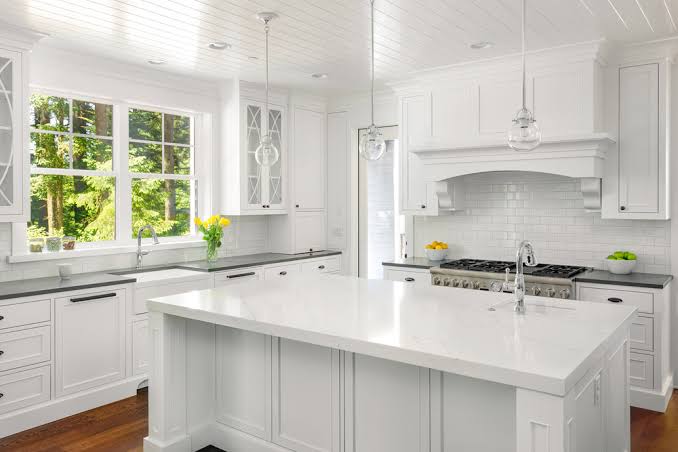
How much does it cost to remodel a kitchen? In the UK, the answer depends on the size of the room, the condition of the existing kitchen, the materials you choose and how much work is required. A simple kitchen refresh may cost a few thousand pounds, while a complete renovation with new cabinets, worktops, appliances, plumbing and electrical work can cost considerably more.
Before starting a project, it is important to understand where the money will go. The price of kitchen units is only one part of the total cost. Installation, flooring, lighting, waste removal and unexpected repairs can all affect your final budget.
This guide explains typical kitchen remodelling costs in 2026, the main factors that influence prices and practical ways to achieve a functional, attractive kitchen without overspending.
Average kitchen remodelling costs in 2026
Kitchen renovation prices vary widely because homeowners have different requirements. Replacing cabinet handles and repainting walls is a much smaller project than removing the existing kitchen and redesigning the entire space.
The following figures are broad UK budgeting estimates, not guaranteed prices or verified national averages. Actual costs vary by location, materials, labour, property size, kitchen layout and project requirements.
| Type of kitchen project | Indicative cost |
|---|---|
| Basic cosmetic refresh | £500–£2,000 |
| Kitchen update with new finishes | £2,000–£5,000 |
| Partial renovation with selected new units | £3,000–£8,000 |
| Small, straightforward kitchen renovation | £5,000–£10,000 |
| Full kitchen remodel | £8,000–£20,000+ |
| Large or high-specification kitchen | £20,000–£35,000+ |
These ranges are intended for early planning. A particularly simple project may cost less, while structural alterations, premium appliances, bespoke cabinets or extensive building work can push the price higher.
When comparing estimates, check whether the figures include VAT, appliances, fitting, removal of old units and finishing work. Two quotations can look similar at first but cover very different amounts of work.
What determines the cost of a kitchen remodel?
Several factors influence how much you will spend. Understanding them before requesting quotations can help you make decisions that suit your budget.
The size of your kitchen
A larger kitchen generally requires more flooring, wall finishes, worktop material and possibly more cabinets. It may also need additional lighting and electrical points.
However, room size is not the only consideration. A compact kitchen with an awkward layout or limited access can be expensive to renovate if it requires custom-made units or substantial preparation.
A small kitchen with standard cabinets and an existing plumbing layout may be relatively affordable to update. A similarly sized room requiring new wiring, plumbing and structural changes could cost considerably more.
The condition of the existing kitchen
If your current cabinets are sturdy and the plumbing works properly, you may be able to keep some existing components.
On the other hand, damaged cabinets, uneven floors, leaking pipes, poor wiring or damp walls may need attention before new fittings can be installed.
These issues can increase the budget, particularly when they are discovered after old units or flooring have been removed.
An initial inspection can help identify visible problems, although some defects may only become apparent once work begins.
Your choice of cabinets
Cabinetry can account for a significant share of a kitchen renovation budget.
Ready-made units are often less expensive than bespoke cabinets, which are designed for a specific room. The price also depends on the materials, door style, internal fittings, finish and amount of storage required.
For example, standard cabinets may work well in a straightforward kitchen. A room with unusual corners, sloping ceilings or limited space may benefit from made-to-measure units, but the additional cost should be considered carefully.
Worktop materials
Worktops come in a wide range of materials and prices.
Laminate is often a budget-friendly option, while solid wood, quartz, granite and other stone surfaces may cost more. The final price depends on the material, thickness, finish, dimensions and complexity of the installation.
Cut-outs for sinks and hobs, joins, upstands and unusual shapes can add to the cost.
It is worth comparing the total installed price rather than looking only at the price per metre. Some materials require specialist fitting, and maintenance requirements also differ.
Appliances and fittings
Ovens, hobs, fridges, freezers, dishwashers and extractor systems can take up a substantial part of the budget.
The cost depends on the number of appliances, their dimensions, energy use, features and brand.
You may not need to replace every appliance. If existing equipment is in good working order and fits the new design, keeping it can reduce spending.
However, appliances should be checked for safety and suitability before being reused. Changes to gas or electrical connections may require appropriately qualified professionals.
Labour and installation
Professional installation can include removing old units, assembling cabinets, fitting worktops, installing appliances, adjusting doors, connecting services and finishing the room.
The amount of labour required depends on the complexity of the project and the number of trades involved.
A simple cabinet replacement may require relatively little additional work. A complete remodel involving plumbing, electrics, plastering, tiling and decorating will normally require more coordination.
Ask contractors to explain exactly which tasks are included in their labour quotation.
How much does it cost to replace kitchen cabinets?
Replacing kitchen cabinets can make a major difference to the appearance and storage capacity of a room.
The cost depends on the number of units, cabinet dimensions, materials, door styles and installation requirements. A small kitchen with standard units may cost considerably less than a large kitchen with bespoke cabinetry.
As a broad planning guide, replacing selected cabinets may cost around £1,000–£3,000, while replacing most or all cabinetry can cost several thousand pounds more. Installation, worktops and related repairs may be charged separately.
Before buying new units, check whether the existing cabinet carcasses are suitable for reuse.
If the structure is sound, replacing doors and handles may achieve a worthwhile improvement at a lower cost. If the cabinets are swollen, damaged or poorly designed, full replacement may offer better long-term value.
How much do kitchen worktops cost?
Worktop prices vary according to the material, dimensions and installation requirements.
Laminate is commonly considered for budget-conscious renovations. Solid wood offers a different appearance but may need regular care. Quartz and granite can provide durable surfaces, although they generally involve a higher initial investment.
When estimating the cost, include:
- The total length and depth of the worktops
- Sink and hob cut-outs
- Edge profiles and finishing
- Joins and upstands
- Delivery and installation
- Removal of existing worktops
For example, a simple straight worktop may be easier to install than a surface with several corners, joins or cut-outs.
The price can also vary by location, labour rates, material availability and the requirements of the individual kitchen.
How much does kitchen flooring cost?
Kitchen flooring must cope with regular foot traffic, spills and frequent cleaning. The right choice depends on your budget, the condition of the subfloor and the look you want to achieve.
Vinyl and laminate can be suitable options when the product is designed for the intended environment. Porcelain or ceramic tiles may also be appropriate, while engineered wood is another possibility depending on the product and installation conditions.
The overall cost includes more than the flooring itself. You may need underlay, adhesive, trims, subfloor preparation, removal of old flooring and installation.
If the existing floor is uneven, repairs or levelling may be necessary before the new surface can be fitted.
Keeping the same floor level where practical may also help avoid complications around doorways and adjoining rooms.
Plumbing and electrical costs
Changes to plumbing and electrical systems can add significantly to the cost of a kitchen remodel.
Keeping the sink, dishwasher and washing machine close to their existing positions may reduce the amount of pipework required. Moving them to the opposite side of the room may involve additional plumbing and drainage work.
Electrical costs depend on the existing installation, the number of new points required and whether upgrades are necessary.
A new kitchen may need circuits or connections suitable for the selected appliances. Any gas work should be carried out by an appropriately qualified professional, and electrical work should comply with applicable UK requirements.
It is sensible to identify these needs before finalising the layout and ordering cabinets.
Lighting and decoration
Lighting can improve how a kitchen looks and functions. Options include ceiling lights, under-cabinet lighting and task lighting above work surfaces.
The cost depends on the number of fittings, the existing wiring and whether new switches or electrical points are required.
Painting, plaster repairs, splashbacks and wall tiling should also be included in the budget. Walls may need preparation after old cabinets are removed, especially if the previous layout covered large areas.
A simple colour update may be relatively inexpensive, but damaged plaster or extensive tiling can increase labour and material costs.
Hidden costs to consider
Some kitchen expenses are easy to overlook when planning a renovation.
Potential additional costs include:
- Removing and disposing of old cabinets
- Disconnecting and reconnecting appliances
- Repairs to walls and ceilings
- Plumbing or electrical upgrades
- Subfloor preparation
- Delivery charges
- Scaffolding or access equipment where required
- Building work and professional fees
- Temporary cooking arrangements
- Additional materials if measurements change
For example, removing an old sink cabinet may reveal a slow leak that has damaged the surrounding unit or floor. Repairing the affected area may be necessary before the new kitchen can be installed.
Not every project will involve these expenses, but allowing for them can make the budget more realistic.
How to create a kitchen renovation budget
A good budget begins with a clear list of the work you want completed.
Separate essential improvements from optional upgrades. Repairs to unsafe wiring or leaking pipes should take priority over decorative features that can be added later.
Next, estimate the cost of each main component:
- Cabinets and storage
- Worktops
- Appliances
- Flooring
- Plumbing and electrical work
- Lighting and decoration
- Labour and installation
- Removal and disposal
- Any professional fees or permissions
- A contingency allowance
For a project with some uncertainty, setting aside around 10–20% of the estimated budget as a contingency can be a useful starting point. This is a general planning guideline rather than a guarantee that all unexpected costs will be covered.
Older properties or kitchens with known plumbing, damp or structural problems may require a larger reserve.
A practical kitchen remodelling budget example
Imagine a homeowner has a modest kitchen and wants to replace the cabinets, worktop and flooring while retaining the existing layout and appliances.
An illustrative budget might look like this:
| Item | Estimated amount |
|---|---|
| Cabinets and handles | £2,000 |
| Worktop and fitting | £1,000 |
| Flooring and installation | £600 |
| Plumbing and electrical adjustments | £500 |
| Decorating and finishing | £400 |
| Removal and waste disposal | £300 |
| Initial estimated total | £4,800 |
| Contingency allowance of 15% | £720 |
| Planned budget including contingency | £5,520 |
These figures are examples, not a price quotation. Actual costs vary by location, materials, labour, kitchen size, existing conditions and project requirements. The example also assumes that the homeowner keeps the existing appliances and does not make structural changes.
A kitchen requiring new appliances, custom cabinetry or extensive electrical work could cost much more.
How to save money when remodelling a kitchen
A kitchen can often be improved without replacing every component.
Keeping the existing layout is one of the most practical ways to control costs because moving plumbing, drainage and electrical points can increase labour requirements.
Other ways to manage the budget include:
- Repainting suitable cabinets.
- Replacing cabinet doors rather than complete units.
- Keeping functional appliances.
- Choosing standard cabinet sizes.
- Comparing several worktop materials.
- Selecting practical, easy-to-maintain finishes.
- Planning the layout before ordering materials.
- Buying only the storage accessories you genuinely need.
- Comparing detailed quotations from different contractors.
For example, replacing worn cabinet doors, handles and a damaged worktop may give a dated kitchen a fresh appearance without the cost of a complete refurbishment.
However, avoid spending money on cosmetic improvements if important repairs are still needed underneath.
Is it cheaper to remodel a kitchen yourself?
Doing some of the work yourself can reduce labour costs, but it is important to understand the limitations.
Painting, assembling certain flat-pack cabinets and fitting simple accessories may be manageable for a homeowner with suitable skills.
Installing heavy worktops, altering plumbing, working with gas or carrying out electrical work can require specialist knowledge and equipment. Mistakes may cause damage, safety risks or additional costs.
DIY work can also extend the project if you need to learn new skills or correct errors. Consider your experience, available time and the complexity of the task before deciding which work to undertake.
How to choose a kitchen contractor
A suitable contractor should provide a clear description of the work, an itemised quotation and realistic information about the expected schedule.
When comparing quotations, check whether they include removal, preparation, installation, materials, waste disposal and finishing work. Confirm how additional work will be priced if unexpected problems are discovered.
It is also sensible to check relevant experience, insurance and references.
Do not choose a contractor solely because the initial price is the lowest. A clear agreement and a well-defined scope of work can help avoid disputes and unexpected charges.
Frequently asked questions
How much does it cost to remodel a kitchen in the UK?
A basic refresh may cost around £500–£2,000, while a full remodel may cost £8,000–£20,000 or more. These are broad planning estimates. Actual prices depend on location, materials, labour, kitchen size, existing conditions and project requirements.
What is the most expensive part of a kitchen renovation?
Cabinetry, worktops, appliances and labour can all represent substantial expenses. The most expensive part depends on the design and specification. Bespoke cabinets, premium stone worktops and major plumbing or electrical changes can increase the overall cost.
Can I remodel a kitchen for £5,000?
It may be possible to complete a modest renovation within £5,000, particularly if you retain the existing layout, reuse suitable appliances and choose standard materials. A complete high-specification remodel is unlikely to fit this budget in many circumstances.
How long does a kitchen remodel take?
The timescale depends on the amount of work involved, material availability and contractor schedules. A straightforward refresh may take a few days, while a full renovation can take several weeks or longer, particularly if building work or unexpected repairs are required.
Should I replace my kitchen cabinets or repaint them?
If the cabinet structure is sound, repainting or replacing the doors may be a cost-effective option. If the units are damaged, swollen or unsuitable for your storage needs, replacing them may be more practical.
Does a new kitchen increase property value?
A well-designed, functional kitchen can make a property more appealing to potential buyers, but the amount of value added varies. It depends on the local property market, the quality of the renovation and the overall condition of the home. There is no guarantee that the renovation cost will be recovered in a sale.
Conclusion
How much does it cost to remodel a kitchen? The answer depends on whether you are making a few cosmetic changes or undertaking a complete renovation. A modest update may cost a few thousand pounds, while a full remodel with new cabinets, worktops, appliances and building services can require a much larger budget.
The best way to control spending is to assess the existing kitchen, decide which improvements matter most and obtain detailed quotations before work begins. Remember to include labour, installation, waste disposal and a contingency for unexpected repairs.
With careful planning and sensible material choices, you can create a kitchen that suits your needs and budget without paying for changes that are unnecessary.