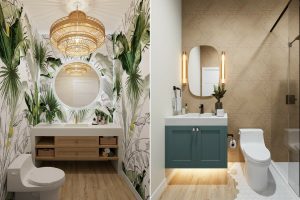
Bathroom remodeling ideas on a budget can help you improve the appearance, comfort and practicality of your bathroom without paying for a complete renovation. Whether you have a small family bathroom, an older property or an ensuite that needs updating, carefully chosen changes can make a noticeable difference.
You do not always need a new bath, shower, toilet and vanity unit to transform the room. Replacing tired taps, refreshing suitable wall finishes, improving lighting and organising storage can make an existing bathroom feel cleaner and more modern.
The key is to identify what genuinely needs replacing and what can be repaired, cleaned or updated. By keeping the existing layout where practical, comparing materials and planning your spending, you can make improvements without stretching your budget unnecessarily.
1. Set a realistic bathroom renovation budget
Before buying materials or choosing new fittings, decide how much you can comfortably spend. A clear budget helps you prioritise essential repairs and avoid using too much money on decorative changes.
Start by separating your planned work into three categories:
- Essential repairs, such as fixing leaks, replacing damaged fittings or addressing persistent damp.
- Practical improvements, such as better storage, improved lighting or a more efficient shower.
- Decorative upgrades, such as new accessories, paint or updated handles.
Deal with problems that could cause further damage before spending money on appearance. A leaking pipe or failed seal should not be covered up with new decoration.
As a broad UK planning guide, a simple cosmetic refresh might cost around £300–£1,000, while a more involved budget update could range from £1,000–£3,000. A partial renovation may cost £2,000–£5,000, depending on the work involved.
These figures are indicative rather than fixed prices. Actual costs vary by location, materials, labour, property size and project requirements. The condition of the existing bathroom, the type of fittings selected and the amount of plumbing or electrical work required can all affect the total.
It is also sensible to keep some money aside for unexpected problems, particularly in older properties. A contingency of around 10–20% may be suitable for some projects, although the appropriate amount depends on the risks and condition of the room.
2. Keep the existing layout to reduce costs
Moving a toilet, bath, shower or basin can increase the cost of a bathroom renovation because it may require changes to plumbing, drainage, flooring and wall finishes.
If your existing layout works reasonably well, keeping the main fittings in their current positions is often one of the most effective ways to control spending.
For example, if the toilet and basin are functional but look dated, you might update the taps, replace a worn toilet seat, refresh the walls and install a new mirror rather than moving the entire suite.
Keeping the layout does not mean you must keep every fitting. You can replace individual items while retaining the existing plumbing connections where suitable.
Before deciding, consider whether the current arrangement causes a genuine problem. If the shower is difficult to access or the basin leaves too little room to move, changing the layout may be worthwhile. However, ask a qualified plumber to assess the practical requirements and costs before committing.
3. Refresh the walls with suitable paint
A fresh coat of paint can make a bathroom feel brighter and more inviting without requiring major building work.
If the walls are in good condition, repainting may be more economical than replacing tiles or installing new wall panels. Light shades such as white, cream, pale grey and soft green can help create a calm appearance.
Choose paint specifically suitable for the bathroom environment, particularly in areas exposed to humidity. Prepare the surface according to the manufacturer’s instructions and make sure it is dry, clean and sound before painting.
However, ordinary paint is not a substitute for waterproofing. Do not paint over loose finishes, persistent mould, damp patches or damaged plaster without investigating the cause.
Areas exposed directly to shower water usually need an appropriate waterproof finish rather than standard painted plaster. Follow the guidance for the surface and product you are using.
If the bathroom has extensive tiles, you could paint suitable non-shower walls while leaving the tiled areas in place. This can update the colour scheme without the cost and disruption of removing every tile.
4. Replace old taps and shower fittings
Taps and shower fittings are small details that can influence the overall appearance of a bathroom.
If your basin and bath are still in good condition, replacing worn taps may be enough to give the room a fresher look. Modern designs are available in finishes such as chrome, brushed metal and black, depending on your preferred style.
Before purchasing replacement taps, check the number of tap holes, the connection sizes and the type of existing plumbing. A fitting that looks suitable may not be compatible with your basin or bath.
You should also check water pressure and the manufacturer’s requirements before choosing a shower. Some shower systems are not suitable for every plumbing arrangement.
Replacing a shower head may improve the experience without requiring a complete shower replacement, provided the existing system is compatible and functioning correctly.
When comparing products, consider durability, ease of cleaning, replacement parts and warranty conditions as well as appearance.
If the taps leak or the shower temperature is unreliable, address the underlying problem instead of simply installing decorative replacements. Plumbing work should be completed by a suitably qualified professional where necessary.
5. Update the bathroom mirror
A mirror can make a bathroom feel brighter and more open by reflecting available light. Replacing a dated mirror is a relatively simple way to change the appearance of the room.
You could choose a plain rectangular mirror, a rounded design or a mirrored cabinet that provides additional storage.
A mirrored cabinet can be particularly useful in a small bathroom because it combines two functions without taking up much extra space.
Before buying, measure the wall and consider the position of the basin, taps, lighting and any existing cabinets. The mirror should be comfortable to use without obstructing other fittings.
Choose a product suitable for bathroom conditions and follow the manufacturer’s installation instructions. Mirrors can be heavy, so the wall and fixings must be suitable for the weight.
If your existing mirror is in good condition, you may not need to replace it. Cleaning it thoroughly, improving the surrounding lighting or updating nearby accessories could provide enough of a refresh.
6. Improve storage without replacing the vanity unit
A cluttered bathroom can feel smaller and harder to clean. Improving storage may therefore make a bigger practical difference than replacing expensive fittings.
Start by removing empty containers, expired toiletries and products you no longer use. Group the remaining items according to how often you need them.
You can then introduce simple storage solutions, such as:
- Drawer dividers for toiletries and grooming products.
- Small baskets for grouped items.
- A shelf above the toilet, where there is suitable space.
- Hooks for towels and dressing gowns.
- A mirrored cabinet for everyday essentials.
- A narrow storage unit that fits without blocking movement.
Use the space beneath the basin if it is available, but make sure stored items do not obstruct pipework or prevent access to valves.
In a small bathroom, wall-mounted storage can help keep the floor clear. However, avoid installing too many shelves, as they may make the room feel crowded.
Before buying storage accessories, measure the available space and consider how easy they will be to clean. Choose moisture-resistant materials where appropriate, particularly in areas exposed to humidity.
7. Replace worn accessories for a coordinated look
You may not need to change major bathroom fittings to make the room look more consistent. Small accessories can create a more coordinated design when their colours and finishes work together.
Consider updating items such as:
- Towel rails and hooks.
- Toilet roll holders.
- Soap dispensers.
- Toothbrush holders.
- Shower curtains.
- Bath mats.
- Small storage baskets.
For example, replacing several mismatched accessories with a simple chrome set can make the room feel more organised. Alternatively, natural-looking baskets and neutral textiles can create a warmer appearance.
You do not need to purchase everything at once. Start with the items that look most worn or are difficult to clean.
Check the condition of existing fittings before replacing them. A sound towel rail may only need cleaning, while loose fixings may need repair.
Avoid choosing accessories solely because they are fashionable. Practicality, ease of cleaning and compatibility with the rest of the bathroom matter more than following a short-lived trend.
8. Refresh old tiles without replacing them all
Removing and replacing bathroom tiles can involve labour, waste disposal and repairs to the surface beneath them. If the existing tiles are firmly attached and in reasonable condition, refreshing them may be more affordable.
Start by cleaning the tiles and inspecting the grout and sealant. Soap residue, limescale and discoloured grout can make a bathroom look older than it is.
Depending on the condition, you may be able to improve the appearance by:
- Cleaning tiles with a product suitable for the material.
- Repairing small areas of damaged grout.
- Replacing deteriorated sealant.
- Painting suitable tiles with a product specifically designed for that use.
- Adding a small section of new decorative tiles where appropriate.
Tile paint is not suitable for every surface or location. Areas exposed to continuous water, such as shower interiors, need particular care. Follow the product instructions and confirm that it is suitable for the intended application.
Do not simply cover cracked tiles, loose surfaces or signs of water damage. Investigate the cause before applying a new finish.
If only a small area looks dated, replacing a limited section may be more practical than removing every tile. However, matching older tiles can sometimes be difficult, so compare samples before proceeding.
9. Replace damaged sealant and repair grout
Sealant and grout help protect joints and finishes from water penetration. When they become damaged, cracked or detached, water can enter areas where it may cause further problems.
Inspect the joints around the bath, shower tray, basin and other water-exposed fittings. Look for gaps, loose sections or persistent signs of moisture.
If the sealant has deteriorated, remove the affected material and replace it with a suitable bathroom sealant according to the manufacturer’s instructions. The surfaces generally need to be clean and dry for proper application.
Damaged grout may also need repair. The correct method depends on the tile type, the condition of the existing grout and the location of the joint.
Do not use grout as a substitute for flexible sealant where movement is expected, such as certain joints around baths and shower trays.
If water damage has already occurred behind tiles or beneath the bath, surface repairs alone may not solve the problem. Persistent damp, soft materials or recurring mould should be investigated before decoration continues.
These repairs are not simply cosmetic. Properly maintained joints can help protect the bathroom and reduce the risk of more extensive work later.
10. Improve lighting on a budget
Poor lighting can make a bathroom feel gloomy, particularly when there is little natural light.
If your current fittings are safe and functional, you may be able to improve the room by changing the type or position of suitable light fittings. Better illumination around the mirror can make everyday tasks such as shaving, applying skincare or brushing teeth more comfortable.
Useful options include:
- Suitable ceiling lighting for general illumination.
- Mirror lighting for grooming tasks.
- Energy-efficient LED fittings designed for bathroom use.
- A light colour scheme that reflects available light.
Check that any new fittings are suitable for their intended location, including areas where moisture may be present. Electrical work in bathrooms must comply with applicable safety requirements, so use a suitably qualified electrician where needed.
Do not assume that a decorative light designed for a bedroom or living room is suitable for a bathroom.
Before buying new fittings, consider whether the existing lighting can be improved through cleaning, replacing an unsuitable lamp with a compatible option or adjusting the arrangement where permitted.
A well-lit mirror and adequate general lighting can improve the room without requiring an expensive redesign.
11. Choose affordable flooring carefully
Bathroom flooring needs to cope with moisture, regular cleaning and everyday foot traffic. Replacing it may be worthwhile if the existing surface is damaged or difficult to maintain, but choosing a product purely because it is cheap can lead to problems.
Common options include suitable vinyl flooring, ceramic tiles and porcelain tiles. Some laminate products are designed for specific moisture-prone environments, but not every laminate floor is appropriate for bathrooms.
When comparing flooring, consider:
- Water resistance and the manufacturer’s installation guidance.
- Slip characteristics when the floor is wet.
- Cleaning and maintenance requirements.
- The condition of the existing subfloor.
- The need for suitable underlay or preparation.
- The cost of fitting and finishing.
Vinyl can be an economical option in suitable bathrooms, while tiles offer a range of designs and surface finishes. The best choice depends on the room and the specific product.
Avoid laying new flooring over a damaged or damp subfloor without investigating the cause. Unevenness, moisture and poor preparation can affect the finished result.
Flooring prices vary by location, materials, labour, property size and project requirements. Obtain a quotation that includes preparation, installation and any necessary removal of the old surface.
12. Make a small bathroom feel more spacious
A small bathroom does not necessarily need to be extended or completely remodelled to feel more comfortable.
Thoughtful choices can help the room feel less crowded while preserving useful storage.
Consider these ideas:
- Use light or coordinated colours across walls and larger fittings.
- Install a mirror that reflects available light.
- Choose storage that uses wall space rather than unnecessary floor space.
- Remove furniture that obstructs movement.
- Use a shower screen that allows more of the room to remain visible.
- Keep the floor and work surfaces as uncluttered as practical.
If you need to replace the vanity unit, consider a compact design that provides enough storage without dominating the room. Wall-hung units can create a more open appearance, but they need suitable support and proper installation.
A sliding or outward-opening door may improve access in some layouts, although changing a door can involve additional work and should be assessed carefully.
Avoid squeezing too many fittings into the space. Comfortable movement and safe access should take priority over adding every feature you would like.
13. Consider a shower upgrade instead of a complete bathroom replacement
If the bath, toilet and basin are in good condition, updating the shower may provide a noticeable improvement without replacing the entire bathroom.
Depending on the existing arrangement, you might replace the shower head, update the controls, install a suitable screen or refresh the surrounding finishes.
Before purchasing a new shower, check water pressure, the existing system and compatibility with the plumbing. Some upgrades may require additional electrical or plumbing work.
A new shower screen can create a cleaner appearance than a worn curtain, but it must fit the available space and be installed securely. A shower curtain may remain the more affordable option in some bathrooms.
If you are considering removing a bath to create a larger shower area, think about the needs of everyone using the bathroom and whether the change is practical for your household.
Check the condition of the shower tray, waterproofing and surrounding surfaces before covering them with new finishes. If there are signs of leaks, address them before installing replacement fittings.
A targeted shower update can be a sensible compromise when the main bathroom fixtures remain usable.
14. Do some simple work yourself, but know your limits
Doing suitable tasks yourself can reduce labour costs, particularly when the work involves straightforward decorating or organisation.
Depending on your skills and the condition of the room, you may be able to:
- Paint suitable walls.
- Fit simple accessories using appropriate fixings.
- Organise cupboards and drawers.
- Replace a shower curtain.
- Assemble suitable freestanding storage.
- Clean tiles and remove ordinary surface deposits using appropriate products.
However, bathroom work can involve water, electricity, heavy fittings and waterproofing. Mistakes in these areas can cause damage or create safety risks.
Use qualified professionals where required for electrical work, gas work, complex plumbing, structural alterations or specialist waterproofing. Follow product instructions and applicable building requirements.
If you are unsure whether a task is suitable for DIY, ask a professional before starting.
Also account for the cost of tools, materials, preparation and potential repairs when deciding whether doing the work yourself will save money. A task may appear inexpensive until you include everything needed to complete it properly.
15. Avoid spending money on unnecessary upgrades
When planning a bathroom update, it is easy to be tempted by premium taps, designer tiles, decorative lighting and expensive storage systems.
These products can be attractive, but they may not improve the bathroom enough to justify their cost.
Before buying an upgrade, ask whether it solves a practical problem, improves durability or addresses a feature that genuinely bothers you.
For example, replacing a damaged vanity unit may be worthwhile if it provides better storage and is easier to clean. Replacing a sound unit simply because a different colour is fashionable may be less important.
A useful way to control spending is to divide the project into stages:
- Fix leaks, damage and other essential problems.
- Improve the fittings or surfaces that are most worn.
- Add practical storage and lighting.
- Make decorative changes if the budget allows.
This approach helps you focus on improvements with the greatest practical value.
Frequently asked questions
What is the cheapest way to remodel a bathroom?
Start with cleaning, decluttering, repairing deteriorated sealant and updating suitable accessories. Repainting appropriate walls, improving storage and replacing worn taps can also refresh the room without the cost of replacing the entire suite.
How much does a budget bathroom renovation cost in the UK?
A simple cosmetic refresh might cost around £300–£1,000, while a more involved budget update may cost £1,000–£3,000. Actual costs vary by location, materials, labour, property size and project requirements. Plumbing changes, premium products and hidden damage can increase the total.
Can I renovate a bathroom without replacing the tiles?
Yes. If the tiles are firmly attached and in good condition, cleaning them, repairing the grout and replacing deteriorated sealant may improve their appearance. Suitable tile paint may be an option for some surfaces, but it must be appropriate for the location and exposure to water.
How can I make an old bathroom look modern on a budget?
Choose a coordinated colour scheme, update worn accessories, improve the lighting and organise storage. Replacing selected taps or the mirror can also create a fresher appearance while keeping functional major fittings.
Should I replace the bath or keep it?
Keep the bath if it is in good condition, suits your household and can be cleaned and maintained properly. Replacement may be justified if it is damaged, difficult to use or unsuitable for your needs. Compare the cost of repair, refinishing where appropriate and replacement before deciding.
Is it cheaper to renovate a bathroom yourself?
Doing suitable decorating and organisation tasks yourself can reduce labour costs. However, specialist work may require qualified professionals, and mistakes involving plumbing, electrical systems or waterproofing can be expensive. Consider your skills, the tools required and the risks before deciding.
Conclusion
Bathroom remodeling ideas on a budget can help you create a cleaner, more comfortable and more practical space without paying for a complete renovation.
Start by fixing essential problems and deciding which improvements will make the greatest difference. Keeping the existing layout, refreshing suitable surfaces, improving lighting and adding sensible storage can all help control spending.
Compare products carefully, check compatibility before purchasing fittings and obtain detailed quotations for work that requires professional installation. Remember that costs vary by location, materials, labour, property size and project requirements.
Most importantly, do not confuse an expensive renovation with a successful one. A well-maintained bathroom with practical storage, suitable lighting and reliable fittings can serve your household well without unnecessary upgrades.
By planning carefully and spending where it matters most, you can improve your bathroom in manageable stages while keeping your budget under control.