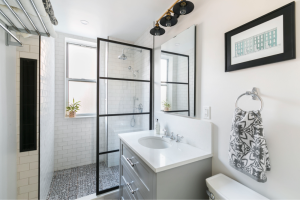
How much does a bathroom remodel cost? The answer depends on the size of your bathroom, the condition of the existing fittings, the materials you choose and the amount of work required. In the UK, a simple cosmetic refresh might cost a few hundred pounds, while a complete bathroom renovation can cost several thousand pounds or more.
Understanding the likely expenses before starting can help you set a realistic budget, compare quotes and avoid unexpected bills. Whether you want to replace an old bath, install a walk-in shower or transform the entire room, it is important to consider materials, labour, plumbing, electrical work and finishing costs.
This guide explains typical bathroom remodelling costs, what affects the final price, where you can save money and how to plan your project without compromising on essential quality.
How much does a bathroom remodel cost in the UK?
Bathroom renovation costs vary considerably depending on the scale of the project. Replacing a few fittings is much cheaper than removing everything and redesigning the room.
The following estimates provide a general starting point for a UK property.
| Type of bathroom project | Estimated cost |
|---|---|
| Basic cosmetic refresh | £300–£1,000 |
| Budget bathroom update | £1,000–£3,000 |
| Partial bathroom renovation | £2,000–£5,000 |
| Complete small bathroom renovation | £3,000–£6,000 |
| Standard full bathroom renovation | £5,000–£10,000 |
| Large or high-specification bathroom | £10,000–£20,000+ |
These are broad planning estimates rather than fixed prices. Actual costs can vary by location, materials, labour rates, property size and project requirements. London and other areas with higher labour costs may be more expensive than locations where tradespeople charge less.
The figures may also differ depending on whether the quote includes VAT, waste removal, building preparation and all finishing work. Some contractors provide a labour-only quote, while others include materials and installation.
Before comparing estimates, check that each contractor is pricing the same work.
What is included in a bathroom remodel?
The word remodel can mean different things to different homeowners. One person may want to replace a few outdated fittings, while another may plan to remove the entire bathroom and start again.
A cosmetic update usually involves changing the appearance without making major structural or plumbing alterations. This might include painting suitable walls, replacing taps, updating accessories or installing a new mirror.
A partial renovation could involve replacing the toilet, basin, shower or bath while keeping most of the existing layout. Damaged tiles or worn flooring may also need attention.
A full bathroom remodel typically includes several of the following:
- Removing the existing bath, shower, toilet, basin and other fittings.
- Preparing walls and floors for new finishes.
- Installing new plumbing connections where required.
- Fitting a new bath, shower, toilet and basin.
- Tiling walls or laying new flooring.
- Installing suitable lighting, ventilation and electrical fittings.
- Decorating and fitting accessories.
- Removing old materials and cleaning the finished room.
Not every project requires all these tasks. Keeping the existing layout and retaining fittings that remain in good condition can reduce the amount of work involved.
Bathroom remodel cost by individual component
Breaking down the budget makes it easier to identify where the money is likely to go. The following estimates are indicative UK planning ranges and can vary by location, materials, labour, property size and project requirements.
Bath installation
A standard bath may cost around £150–£600, while some larger, freestanding or premium models cost considerably more.
Installation can add approximately £200–£600, depending on access, plumbing connections and the amount of preparation required.
A straightforward replacement is usually less expensive when the new bath fits the existing space and uses the current pipework. Moving the bath to another wall may require additional plumbing, flooring repairs and adjustments to the surrounding surfaces.
Shower installation
A basic shower enclosure or shower kit may cost around £200–£800, excluding more extensive installation work. Premium enclosures, specialist shower systems and concealed fittings can cost more.
Installation may add approximately £250–£800 or more, depending on the design and complexity.
An electric shower can be a practical option in some homes, but it may require appropriate electrical work and a suitable water supply. A mixer shower uses hot and cold water supplies, so its suitability depends on the existing plumbing system.
Walk-in showers may require additional spending on screens, drainage, floor preparation and waterproofing.
Toilet replacement
A standard toilet might cost around £100–£350, while wall-hung models and concealed-cistern designs can be more expensive.
Allow roughly £150–£400 for straightforward installation, although moving the toilet or altering the waste pipe can increase the price.
Keeping the existing toilet position is often the more economical option. Before buying a replacement, check the waste outlet position and available space to ensure the new model will fit.
Basin and vanity unit
A basic basin may cost approximately £50–£200. A vanity unit with storage may cost £150–£600 or more, depending on the size, finish and quality.
Installation might add £100–£300 for a straightforward fitting. Complex plumbing, wall-mounted units or changes to the pipework can increase labour costs.
A vanity unit can be particularly useful in a small bathroom because it combines the basin with storage for everyday items. However, it is important to choose a model suitable for the available space and the room’s moisture levels.
Tiles and flooring
Bathroom tiles vary widely in price. Basic ceramic tiles may cost around £10–£25 per square metre, while porcelain, natural stone and decorative tiles can be significantly more expensive.
Professional tiling may cost approximately £25–£60 per square metre for labour, depending on the surface, tile type, layout and preparation required.
These figures do not necessarily include adhesive, grout, waterproofing, levelling or removal of old tiles.
Vinyl flooring can be a lower-cost alternative, provided the selected product is suitable for bathroom use and is installed according to the manufacturer’s instructions. The floor must be properly prepared, and areas exposed to water need suitable sealing and detailing.
Lighting and electrical work
Basic bathroom lighting may cost around £30–£150 per fitting, depending on the design. Installation charges vary with the type of fitting and the existing wiring.
Replacing a light in a straightforward situation is different from installing new circuits, moving switches or adding electrical equipment near a shower.
Bathrooms have specific electrical safety requirements because of moisture and water exposure. Use a suitably qualified electrician who understands the applicable regulations and can confirm that the proposed installation is appropriate.
Plumbing and pipework
Plumbing costs depend on how much work is necessary. Reconnecting a replacement basin or toilet in the same position is usually simpler than moving water supplies, changing waste pipes or altering the shower arrangement.
A straightforward plumbing task may cost a few hundred pounds, while extensive pipework changes can add substantially more to the total budget.
If the property has old, damaged or poorly installed plumbing, repairs may be necessary before new fittings can be installed. Identifying these issues early can help you prepare a more realistic budget.
What factors affect the cost of a bathroom remodel?
Several factors determine the final price, even when two bathrooms appear similar in size.
The size of the bathroom
A larger bathroom may need more tiles, flooring, paint and lighting. It may also require additional labour because there is more surface area to prepare and finish.
However, size is not the only consideration. A small bathroom with awkward corners, restricted access or complicated plumbing can be more expensive to renovate than a larger room with a simple layout.
The quality of materials
Basic fittings and standard tiles can help keep costs under control. Designer taps, premium stone, bespoke cabinets and specialist shower systems increase the materials budget.
Expensive materials are not automatically the best choice for every home. Consider durability, cleaning requirements, availability of replacement parts and suitability for a damp environment.
It is often sensible to invest in reliable waterproofing, good-quality installation and durable fittings before spending extra on decorative features.
Labour charges
Labour is a significant part of many bathroom renovation budgets. The total depends on the number of tradespeople needed, the length of the project and the complexity of the work.
A full renovation may involve a plumber, electrician, tiler, decorator and installer. Some bathroom companies coordinate these trades, while other contractors expect homeowners to arrange certain services separately.
Ask whether the quotation includes all labour, preparation, finishing and waste removal.
The existing condition of the room
A bathroom in reasonable condition may need little preparation beyond removing old fittings and making minor repairs.
By contrast, damaged flooring, leaking pipes, damp walls, rotten timber or poor previous workmanship can create additional costs. These problems should be addressed before new materials cover them.
Changes to the layout
Keeping the bath, toilet, basin and shower in their existing positions can reduce plumbing and installation expenses.
Moving these fittings may involve extending pipework, changing waste connections, repairing walls and floors, or adjusting electrical installations. The change may still be worthwhile if it makes the bathroom more practical, but it should be included in the original budget.
Access to the property
Carrying materials through narrow staircases, working in a flat with limited access or removing waste from a property without convenient parking can increase the time and effort required.
Discuss access arrangements with contractors before work begins so they can include any additional requirements in their estimates.
Example bathroom renovation budgets
Looking at sample projects can help you understand how different decisions affect the overall price.
These examples are illustrative rather than guaranteed quotations. Actual costs vary by location, materials, labour, property size and project requirements.
Example 1: A basic bathroom refresh
A homeowner has a small bathroom with fittings that still work properly. The aim is to improve its appearance without replacing everything.
The work might include:
- Repainting suitable surfaces: £100–£250.
- Replacing taps and accessories: £100–£250.
- Updating the mirror and lighting: £80–£200.
- Minor repairs and labour: £150–£300.
Estimated total: £430–£1,000.
This approach works best when the existing bath, toilet, basin and flooring are in good condition. It would not be appropriate if there were unresolved leaks or serious surface damage.
Example 2: A partial bathroom renovation
Another homeowner wants a new vanity unit, replacement toilet, updated flooring and improved lighting while keeping the bath and shower in their existing positions.
Possible expenses include:
- New vanity unit and basin: £200–£500.
- Replacement toilet: £100–£300.
- Flooring materials: £100–£250.
- Lighting and accessories: £100–£250.
- Plumbing, installation and finishing: £800–£1,800.
Estimated total: £1,300–£3,100.
The final amount depends on the products selected and whether any additional repairs are needed.
Example 3: A complete bathroom renovation
A homeowner decides to remove the old fittings, install a new bath and shower, replace the toilet and basin, retile the room and update the lighting.
The budget may include:
- Bath, shower, toilet and basin: £800–£2,000.
- Tiles and flooring: £400–£1,000.
- Vanity unit, taps and accessories: £300–£800.
- Plumbing and electrical work: £800–£1,800.
- Tiling, installation and decorating: £1,500–£3,000.
- Removal and waste disposal: £150–£400.
Estimated total: £3,950–£9,000.
This is a simplified example. More expensive products, extensive plumbing changes or repairs to hidden damage can push the total higher.
Hidden costs to include in your bathroom budget
The price of visible fittings is only one part of a renovation. Unexpected work can increase the total, especially when old materials are removed.
Common additional expenses include:
- Removing and disposing of old fixtures and tiles.
- Repairing damaged plaster, floors or wall surfaces.
- Replacing faulty pipework or leaking connections.
- Preparing uneven floors before installing new finishes.
- Waterproofing areas exposed to regular water contact.
- Improving bathroom ventilation.
- Updating unsuitable electrical installations.
- Repairing damage discovered behind cabinets or tiles.
- Buying extra tiles to allow for cuts, breakages and future repairs.
- Paying for additional labour when the project takes longer than expected.
It is wise to keep a contingency fund of around 10–20% of the planned budget, depending on the age and condition of the property. Older bathrooms or projects involving substantial alterations may need a larger allowance.
A contingency is a reserve for unexpected expenses, not money that must be spent. If the work proceeds smoothly, the unused amount can remain in your savings.
How to reduce bathroom remodelling costs
A lower budget does not necessarily mean settling for a poor result. Careful planning can reduce unnecessary work while preserving safety and functionality.
Keep the existing layout
Retaining the current positions of the toilet, bath, shower and basin can limit plumbing changes. If the arrangement already works well, consider updating the fittings rather than redesigning the entire room.
Choose materials carefully
Compare products based on quality, expected lifespan, maintenance and installation requirements, not just their purchase price.
Standard-sized fittings can be easier to replace than unusual bespoke designs. Affordable ceramic tiles, practical vinyl flooring and simple vanity units may provide a good finish without the expense of premium materials.
Refinish what can be retained
If the bath, basin or cabinets are structurally sound, cleaning, refinishing or updating their surrounding finishes may be more economical than replacing them.
However, refinishing is not a suitable solution for every damaged surface. Cracked fittings, persistent leaks and serious deterioration should be assessed properly.
Avoid unnecessary design changes
Moving walls, changing door positions or relocating plumbing can increase costs. Focus on improvements that solve a genuine problem, such as poor storage, inadequate lighting or an impractical shower arrangement.
Compare detailed quotations
Request written quotes from several reputable contractors where possible. Ensure each quote describes the same work and clarifies whether materials, labour, VAT, waste disposal and finishing are included.
A very low quotation may exclude important tasks or rely on assumptions that later lead to additional charges. Ask for clarification before agreeing to the work.
Plan purchases in advance
Choosing fittings before work begins helps the installer understand the required dimensions and connections. It also reduces the risk of delays caused by unavailable products or items that do not fit.
Avoid purchasing non-returnable items until measurements and installation requirements have been checked.
Avoid cutting corners on waterproofing and safety
Saving money on suitable waterproofing, ventilation or electrical work can lead to expensive problems later. Use appropriate materials and competent professionals for tasks that require specialist knowledge.
Decorative features can be added or upgraded later, but essential work should be completed properly from the beginning.
Should you remodel your bathroom yourself or hire a professional?
Doing some work yourself may reduce labour costs, particularly for straightforward decorating or assembling suitable accessories.
However, bathroom renovations involve several tasks that require specialist skills. Plumbing connections must be secure, electrical installations must comply with applicable safety requirements, and wet areas need appropriate waterproofing.
DIY work may also take longer than expected, especially if you have limited experience. Mistakes can damage materials or create problems that cost more to correct than the original installation.
A practical approach is to identify which tasks you can complete safely and competently, then hire qualified professionals for work that requires specialist expertise.
If you intend to do some of the work yourself, agree on responsibilities with the contractor in advance. This helps prevent confusion about preparation, scheduling and who is responsible for correcting problems.
How long does a bathroom remodel take?
A simple refresh may take a few days, while a complete bathroom renovation often takes one to three weeks of on-site work. More complicated projects can take longer.
The schedule depends on the amount of demolition, the availability of materials, the number of trades involved and whether hidden problems are discovered.
Tiling and other finishing tasks may also require drying or curing time before the bathroom can be used normally.
Ask the contractor for an estimated schedule, including when the bathroom will be unavailable. If it is the only bathroom in your home, plan how you will manage during the work.
Delays do not always indicate poor workmanship, but clear communication helps you understand what is happening and whether the budget or completion date needs to change.
Frequently asked questions
How much does a bathroom remodel cost on average?
A standard full bathroom renovation in the UK may cost around £5,000–£10,000, although smaller updates can cost much less and premium projects can cost significantly more. The actual price depends on location, materials, labour, property size and project requirements.
What is the cheapest way to remodel a bathroom?
Keeping the existing layout, retaining sound fittings, choosing affordable materials and limiting the work to necessary improvements are common ways to reduce costs. Do not reduce spending on essential waterproofing, plumbing repairs or electrical safety.
Is £3,000 enough to renovate a bathroom?
A £3,000 budget may be enough for a modest bathroom update or some partial renovations, especially if the existing layout remains unchanged. It may not cover a complete renovation involving extensive tiling, premium fittings or major plumbing alterations.
Does a bathroom remodel increase property value?
A clean, functional and well-maintained bathroom can make a property more appealing to potential buyers. However, the effect on the selling price depends on the property, the local market, the quality of the work and buyers’ preferences. There is no guaranteed financial return.
Can I remodel a bathroom without replacing the tiles?
Yes. If the tiles are secure, in good condition and free from underlying moisture problems, you may be able to keep them and update other features. Cleaning the grout, replacing suitable accessories and improving lighting can change the room’s appearance without the cost of full retiling.
Should I replace my bath with a walk-in shower?
The decision depends on your household’s needs, available space and budget. A walk-in shower can improve accessibility and create a more open appearance, but installation may require additional drainage, waterproofing and floor preparation. Consider whether retaining a bath is important for your household before making the change.
Conclusion
How much does a bathroom remodel cost? For UK homeowners, the answer can range from a few hundred pounds for a simple refresh to £10,000 or more for a large or high-specification renovation. A standard full renovation may fall around £5,000–£10,000, but every property and project is different.
The most effective way to manage costs is to decide what needs changing, measure the space carefully, compare detailed quotations and allow for unexpected repairs. Keeping the existing layout and choosing durable, practical materials can also help you stay within budget.
Most importantly, prioritise sound plumbing, suitable waterproofing, safe electrical work and good installation. With careful planning, you can create a bathroom that looks attractive, functions well and meets your household’s needs without spending more than necessary.