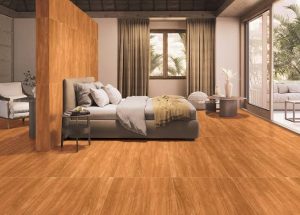
Choosing the best flooring options for homes involves more than selecting a colour or pattern that looks attractive. The right floor should suit the room, withstand everyday use, fit your budget and remain practical to maintain. Some materials work well in busy kitchens, while others are better suited to comfortable bedrooms and welcoming living rooms.
With options ranging from laminate and vinyl to ceramic tiles, engineered wood and natural stone, it can be difficult to know where to start. Each material has its own advantages, limitations and maintenance requirements.
This guide explains the main types of home flooring, where they work best, how much care they need and what to consider before making a purchase. By comparing appearance, durability, comfort and cost, you can choose flooring that meets your household’s needs without spending more than necessary.
What to consider when choosing flooring for your home
Before comparing individual materials, think about how each room is used. A floor that performs well in a quiet bedroom may not be suitable for a busy entrance or a kitchen where spills happen regularly.
Consider these important factors.
- Moisture resistance: Kitchens, bathrooms and utility rooms need materials that can cope with water and frequent cleaning.
- Durability: Hallways and living rooms often experience more foot traffic than bedrooms, so their floors need to resist everyday wear.
- Comfort: Carpet and some resilient flooring feel softer underfoot than stone or ceramic tiles.
- Maintenance: Some floors need regular sealing or specialist cleaning, while others require little more than sweeping and damp mopping.
- Installation: Click-lock products may be suitable for competent DIY installation, whereas natural stone and complex tile patterns often require professional fitting.
- Appearance: Flooring should complement your furniture, wall colours, lighting and overall interior design.
- Long-term value: The cheapest material to buy is not always the cheapest to own. Repairs, replacement, cleaning and installation costs also matter.
It is also important to check the condition of the subfloor. Uneven, damp or damaged surfaces may need attention before new flooring can be installed.
Best flooring options for homes compared
Different flooring materials suit different lifestyles. The following options are among the most useful to consider when planning a renovation or updating an existing room.
| Flooring type | Best suited to | Main advantage | Main limitation |
|---|---|---|---|
| Luxury vinyl flooring | Kitchens, hallways and many bathrooms | Water resistance and easy cleaning | Quality and durability vary |
| Laminate flooring | Bedrooms, living rooms and hallways | Wood-like appearance at an accessible price | Standard products can swell when wet |
| Hardwood flooring | Living rooms and bedrooms | Natural character and potential for refinishing | Sensitive to moisture and temperature changes |
| Engineered wood | Living rooms, bedrooms and some hallways | Real wood surface with a layered construction | Water exposure can still cause damage |
| Ceramic and porcelain tiles | Kitchens, bathrooms and entrance areas | Hard-wearing and easy to clean | Hard and potentially cold underfoot |
| Carpet | Bedrooms and comfortable living spaces | Warmth, softness and sound absorption | Can retain stains and dust |
| Natural stone | Selected kitchens, hallways and living areas | Distinctive natural appearance | Can be expensive and require sealing |
| Cork flooring | Bedrooms, studies and living areas | Comfort and natural insulation | Needs suitable protection and care |
These are general guidelines rather than fixed rules. Product specifications, installation quality and the conditions inside your home can affect performance.
Luxury vinyl flooring for busy households
Luxury vinyl flooring is a practical choice for households that want an attractive surface without demanding maintenance. It is available in planks, tiles and other formats designed to imitate wood, stone or ceramic.
Its main benefit is moisture resistance. Many products can cope with everyday splashes and spills, making them useful in kitchens, utility rooms and entrance areas. However, water can still cause problems if it reaches the subfloor through gaps, damaged joints or poorly sealed edges.
Luxury vinyl is also relatively comfortable underfoot compared with ceramic or stone tiles. Some products have attached underlay, although the requirements depend on the flooring system and the surface beneath it.
When shopping, compare the wear layer, warranty, installation method and manufacturer’s cleaning instructions. A thicker product is not automatically better in every respect, so consider the overall specification.
For bathrooms, choose a product explicitly approved for the intended wet environment and follow the installation instructions carefully. Some vinyl flooring is unsuitable for areas with standing water or certain shower-room applications.
Laminate flooring for an affordable wood effect
Laminate flooring is popular because it offers the appearance of timber at a generally lower purchase price than solid hardwood. Modern designs include realistic grain patterns, different plank widths and finishes ranging from pale oak to darker wood tones.
Laminate is often suitable for bedrooms, living rooms and hallways. Its hard surface is straightforward to sweep and clean, and many products resist ordinary scratches and wear reasonably well.
The main concern is moisture. Conventional laminate usually has a fibreboard core that can swell if water enters through the joints. Wiping up spills promptly and avoiding excessive water during cleaning helps protect it.
Water-resistant laminate products are available, but their protection varies. Check whether the manufacturer’s claims cover surface spills, wet mopping or longer exposure, and follow any limits carefully.
A suitable underlay can help with sound reduction and minor surface variations, but it cannot correct a seriously uneven subfloor. Some laminate floors can also sound hollow if the base is poorly prepared.
For a family room or rented property where appearance and budget both matter, laminate can provide a useful balance between practicality and style.
Hardwood flooring for a natural finish
Solid hardwood flooring is made from natural timber throughout its thickness. Oak, ash and other species offer distinctive grain patterns, colours and textures that can give a room a timeless appearance.
One of its main advantages is that suitable boards can often be sanded and refinished when their surface becomes worn. The number of times this is possible depends on the board thickness, existing condition and previous refinishing.
Hardwood is usually best suited to living rooms, dining rooms, bedrooms and other areas where moisture levels remain reasonably stable. It is generally not the first choice for bathrooms or locations exposed to frequent water spills.
Wood expands and contracts as temperature and humidity change. Leaving the correct expansion gaps and allowing the material to acclimatise according to the manufacturer’s instructions can help reduce movement-related problems.
Installation costs can be higher than those of some alternatives, particularly when the subfloor requires preparation or boards need specialist fitting.
Choose hardwood if you value genuine timber and are prepared to protect it from excessive moisture, scratches and changes in indoor conditions.
Engineered wood flooring for added stability
Engineered wood flooring has a real wood surface layer attached to a core made from multiple layers of wood-based materials. This construction is designed to reduce movement compared with a solid timber board of similar dimensions.
It provides the natural appearance of wood and can be available in a range of finishes, plank sizes and installation systems. Depending on the product, it may be suitable for certain underfloor heating systems.
Engineered wood is a strong option for living rooms, bedrooms and some hallways. It may also work in other areas when the manufacturer specifically approves the conditions and installation method.
However, it is not waterproof simply because it has a layered construction. Standing water, leaks and persistent dampness can damage the boards, joints or core.
The thickness of the real wood surface layer matters if you expect to refinish the floor later. Some products can be sanded, while others have a thin surface that allows little or no sanding.
Check the product’s construction, moisture guidance, installation requirements and compatibility with underfloor heating before purchasing.
Ceramic and porcelain tiles for moisture-prone rooms
Ceramic and porcelain tiles are among the most practical flooring choices for many kitchens, bathrooms, utility rooms and entrance areas. They provide a hard surface that is straightforward to clean and generally resistant to everyday moisture.
Ceramic tiles are available in numerous colours, patterns and sizes. Porcelain tiles are made from a more densely fired body and generally have low water absorption, making them a popular choice for demanding areas.
Not every tile is suitable for every floor. Look for products rated for floor use and check slip-resistance information, especially for bathrooms and other places where water may be present.
Large tiles can make a room feel less visually busy, but they require a suitably flat base and careful installation. Smaller tiles may provide more grout lines, which can offer additional grip in some designs but require more cleaning.
Tiles can feel cold and hard underfoot. Underfloor heating can improve comfort where the complete flooring system is designed for it.
Grout also needs attention. Follow the manufacturer’s recommendations for cleaning and sealing, if sealing is required. Good installation and suitable waterproofing behind or beneath tiles are essential in wet areas.
Carpet for warm and comfortable rooms
Carpet is a popular choice for bedrooms, landings and some living rooms because it feels soft and helps absorb sound. It can make a room feel more comfortable, particularly in colder weather.
There are different carpet fibres, including wool, nylon and polypropylene. Each has different characteristics relating to resilience, stain resistance, feel and price.
Wool offers natural softness and can provide good resilience, but it may cost more and needs appropriate care. Synthetic carpets can offer useful stain-resistant features, depending on the fibre and treatment.
Pile height and density also influence performance. A very deep, soft carpet may feel luxurious in a bedroom but can be less practical in a busy hallway where dirt and pressure are more common.
Carpet is usually less suitable for rooms where frequent spills or standing water are expected. It can retain moisture and may be difficult to dry properly after a leak.
Vacuum regularly and deal with spills according to the manufacturer’s instructions. Using a suitable underlay can improve comfort and help the carpet perform as intended.
If anyone in your household has particular sensitivities to dust or indoor allergens, consider how easily the flooring can be cleaned and maintained.
Natural stone flooring for a distinctive look
Natural stone flooring includes materials such as slate, limestone, marble and granite. Each piece has its own patterns and variations, giving the finished floor a distinctive appearance.
Stone can work well in entrance halls, kitchens, living rooms and selected bathrooms when the correct material is chosen and installed properly. Its performance depends on the type of stone, surface finish and surrounding conditions.
Some stones are porous and may need sealing to reduce staining and moisture absorption. Acidic cleaners can damage certain materials, particularly marble and limestone, so cleaning products must be selected carefully.
Natural stone can also be heavy. Before installation, check that the subfloor can support the material and that the base is suitable.
Purchase and installation costs can be higher than those of laminate or vinyl. The final price depends on the stone, tile size, finish, labour and preparation required.
Stone is worth considering when you want a natural, long-lasting finish and are comfortable with the care it may require.
Cork flooring for comfort and insulation
Cork flooring is made from the bark of cork oak trees and is available in different finishes and formats. It has a naturally cushioned feel that can make standing and walking more comfortable than on some hard flooring materials.
Its structure can also help reduce sound transmission and provide some thermal insulation. This makes cork worth considering for bedrooms, studies and living spaces.
However, cork is not automatically suitable for wet rooms. Moisture can damage some products, and the protective finish and installation system are important.
Cork may also be marked by heavy furniture, sharp objects or concentrated pressure. Using appropriate furniture protectors and following the manufacturer’s care guidance can help reduce damage.
Before choosing it, confirm whether the product is suitable for the room, whether it needs periodic resealing and whether it works with your preferred cleaning routine.
The best flooring for each room
The most suitable flooring often depends on the specific room rather than the home as a whole.
Kitchen flooring
Kitchen floors need to handle dropped utensils, food spills, frequent cleaning and regular foot traffic.
Porcelain tiles and suitable luxury vinyl are strong options because they are relatively easy to clean and can cope with everyday moisture. Water-resistant laminate may also work in some kitchens if installed and maintained according to the manufacturer’s instructions.
Avoid choosing a material based on appearance alone. Consider slip resistance, comfort when standing for long periods and the likelihood of water reaching the joints.
Bathroom flooring
Bathrooms need flooring designed to cope with moisture and changes in humidity.
Porcelain tiles and suitable vinyl products are common choices. Check slip resistance and ensure that waterproofing, joints and edges are installed correctly.
Ordinary carpet and standard laminate are generally poor choices for bathrooms because moisture can become trapped or damage the material.
Living room flooring
Living rooms can accommodate a wider range of materials because they usually experience less direct water exposure than kitchens and bathrooms.
Engineered wood, hardwood, laminate, carpet and luxury vinyl can all be suitable. Your decision may depend on whether you prefer a natural timber appearance, a softer surface or easier cleaning.
Consider pets, children and furniture movement when comparing durability and maintenance requirements.
Bedroom flooring
Carpet is appealing if warmth and softness are priorities. Laminate, engineered wood and luxury vinyl are alternatives for people who prefer a hard surface that can be swept and cleaned easily.
Think about noise as well as appearance. Underlay may improve sound performance with compatible flooring systems, particularly in upper-floor bedrooms.
Hallway and entrance flooring
Hallways receive dirt from shoes and often experience more foot traffic than other parts of the home.
Porcelain tiles, durable vinyl, suitable laminate and well-finished timber can work well. Choose a surface that is easy to clean and capable of handling the expected wear.
A doormat at the entrance can help reduce the amount of grit and moisture carried indoors.
How much does home flooring cost?
Flooring costs depend on the material, the size of the room and the work needed before installation. Prices can vary by location, materials, labour, property size and project requirements, so any estimate should be treated as a starting point rather than a guaranteed quotation.
Your total budget may include:
- The flooring material itself.
- Underlay, adhesive, grout or other installation products.
- Subfloor repairs, levelling or moisture treatment.
- Removal and disposal of existing flooring.
- Fitting, cutting and finishing.
- Skirting boards, door bars, thresholds and adjustments to doors.
- Moving furniture and reconnecting appliances where necessary.
A low-priced floor can become expensive if the existing surface needs extensive repairs. Similarly, premium materials may require specialist installation that increases the overall cost.
Before ordering, measure the room carefully and ask the supplier how much additional material is needed for cuts, pattern matching and future repairs. The required allowance depends on the room layout and flooring type.
Obtain itemised quotes where possible. This makes it easier to compare materials, preparation work, labour and finishing costs rather than judging contractors by one headline figure.
Common flooring mistakes to avoid
Even a good-quality product may perform poorly if it is chosen or installed incorrectly. Avoid these common mistakes.
- Ignoring moisture: Installing a moisture-sensitive floor over a damp subfloor can lead to swelling, movement or mould-related problems.
- Choosing appearance over function: A delicate surface may not suit a busy entrance or a home with active pets.
- Skipping subfloor preparation: Uneven or unstable surfaces can affect the appearance and performance of the finished floor.
- Using the wrong cleaning products: Harsh chemicals and excessive water may damage finishes, grout or protective coatings.
- Ignoring installation instructions: Expansion gaps, adhesive requirements and underlay specifications can be essential.
- Buying too little material: Insufficient flooring can cause delays, especially if a matching batch is no longer available.
- Overlooking slip resistance: A smooth surface may be unsuitable for an area that regularly becomes wet.
- Forgetting future repairs: Keep spare tiles or boards where practical, particularly if the product has distinctive colours or patterns.
A little planning before installation can prevent avoidable repair bills and help your flooring last longer.
How to maintain your flooring for longer
The right maintenance routine depends on the material, but several habits help protect most floors.
Sweep or vacuum regularly to remove grit that could scratch the surface. Use entrance mats to limit dirt and place protective pads beneath furniture legs. Lift heavy furniture instead of dragging it across the floor.
Clean spills promptly, particularly on timber, laminate and other moisture-sensitive materials. Use cleaning products approved for the flooring type, and avoid assuming that every hard floor can be cleaned with the same solution.
Inspect areas around sinks, washing machines and external doors for signs of leaks or persistent dampness. Addressing the source of moisture is more effective than repeatedly cleaning visible marks.
Follow the manufacturer’s guidance on refinishing, sealing and repairs. Timber and some stone floors may need periodic treatment, while other materials generally require less specialist care.
Frequently asked questions
What is the most durable flooring for a home?
Porcelain tiles can be highly durable when correctly selected and installed, particularly in areas with heavy use. However, durability also depends on the product specification, subfloor, installation quality and household activities. A suitable luxury vinyl product or engineered flooring may be more practical for certain rooms.
Which flooring is best for the whole house?
There is no single best option for every room. Luxury vinyl and selected laminate products can create a consistent look across several spaces, while tiles may be preferable in wet areas and carpet may offer greater comfort in bedrooms. Choose materials according to each room’s conditions.
What is the easiest flooring to keep clean?
Vinyl, porcelain tiles and many laminate products are relatively easy to clean. Their maintenance requirements differ, however. Grout may need extra attention with tiled floors, while laminate and timber products usually require careful control of moisture.
Is laminate flooring better than vinyl flooring?
Neither is automatically better. Laminate often provides a convincing wood effect at an accessible price, while luxury vinyl usually offers better resistance to everyday moisture. Compare the product specifications, installation requirements, comfort and intended room before deciding.
Can I install new flooring over an existing floor?
Sometimes. The existing floor must be stable, clean, sufficiently flat and compatible with the new flooring system. Some materials cannot be installed over certain surfaces, and adding another layer may affect door clearance or floor height. Check the manufacturer’s instructions before proceeding.
How do I choose flooring on a limited budget?
Compare the full installed cost rather than the material price alone. Consider laminate or suitable vinyl for practical areas, retain an existing floor if it is in good condition, and prioritise repairs that prevent moisture damage. Request several itemised quotations and allow for preparation work and a contingency.
Conclusion
The best flooring options for homes balance appearance, comfort, durability, maintenance and cost. Luxury vinyl is useful for many busy areas, laminate offers an accessible wood effect, timber provides natural character, tiles perform well in suitable wet areas, and carpet creates a softer finish in bedrooms and living spaces.
Start by assessing how each room is used, whether moisture is likely to be a problem and how much maintenance you are willing to undertake. Then compare product specifications, installation requirements and total costs.
Taking time to prepare the subfloor and choose a suitable material can help you avoid common problems and achieve a finish that works well for your household for years to come.