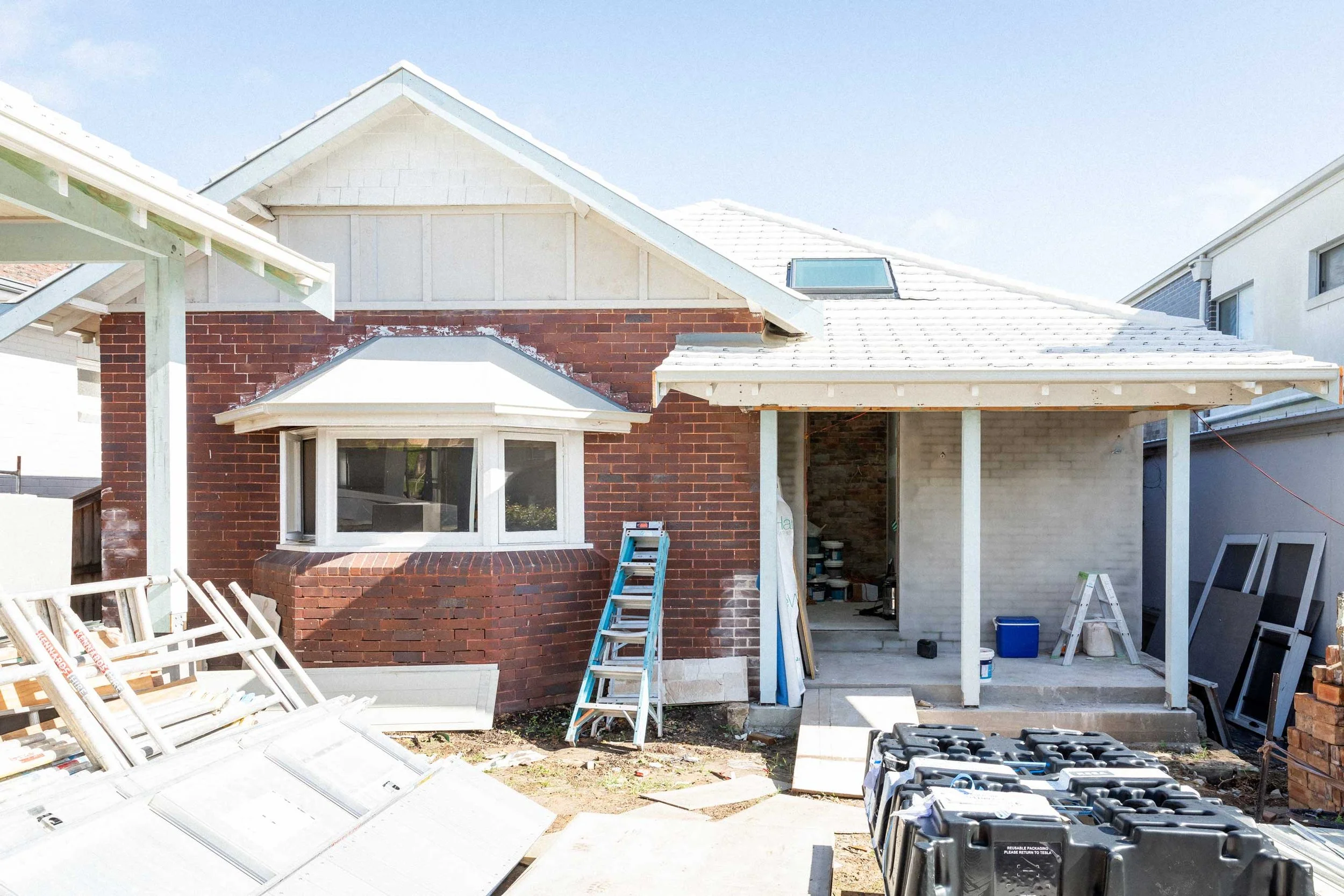
Understanding the average home renovation costs in 2026 can help homeowners plan improvements, compare quotations and avoid spending more than they can afford. Whether you are updating a tired kitchen, renovating a bathroom, replacing flooring or modernising an entire property, the final cost depends on the size of the project and the standard of finish you choose.
In the UK, renovation prices can vary considerably between regions and properties. Labour rates, material prices, property condition, access and the complexity of the work all influence the total budget. A straightforward cosmetic update may cost far less than a renovation involving plumbing, electrical work, structural changes or extensive repairs.
This guide explains typical renovation cost ranges, what different projects may involve, how to budget realistically and which additional expenses homeowners should consider before work begins.
What are the average home renovation costs in 2026?
There is no single figure that accurately represents the cost of renovating every home. Updating one room is very different from refurbishing a three-bedroom house, and two properties of the same size may require very different amounts of work.
The following figures are broad UK budgeting estimates rather than fixed prices or verified national averages. They are intended to help with early planning. Actual quotations may fall outside these ranges depending on location, materials, labour, property size, existing conditions and project requirements.
| Renovation project | Indicative cost range |
|---|---|
| Painting and decorating one room | £300–£1,500 |
| Replacing flooring in one room | £400–£2,000 |
| Small bathroom renovation | £3,000–£7,000 |
| Full bathroom renovation | £5,000–£12,000+ |
| Kitchen refresh | £2,000–£6,000 |
| Full kitchen renovation | £8,000–£20,000+ |
| Replacing windows throughout a typical home | £4,000–£12,000+ |
| Replacing a roof | £5,000–£15,000+ |
| Loft conversion | £25,000–£60,000+ |
| Single-storey extension | £25,000–£60,000+ |
| Extensive renovation of a whole house | £40,000–£100,000+ |
These ranges should not be treated as guaranteed quotations. For example, a kitchen renovation involving new units, worktops and appliances may cost substantially more than a project that retains the existing layout and changes only the cabinet doors and finishes.
Structural work, specialist materials and major changes to plumbing or electrics can also increase costs significantly.
What affects home renovation costs?
Before estimating a renovation budget, it is useful to understand why prices differ so much between projects.
Property size and layout
Larger properties usually require more materials and labour when several rooms are being renovated. However, floor area alone does not determine the price.
A small property with awkward access, uneven floors or complicated plumbing may be more expensive to renovate per square metre than a larger property with a straightforward layout.
The number of rooms involved, ceiling heights, existing finishes and amount of preparation required can all affect the quotation.
Location and labour rates
Renovation costs vary across the UK. Labour and contractor charges may be higher in some areas, particularly where demand is strong or access is difficult.
Transporting materials to a remote property can also increase costs. Homeowners should therefore compare quotations from contractors who work in their area rather than relying entirely on national price estimates.
Materials and finish quality
Material choices can make a considerable difference to the final budget.
For example, standard laminate worktops may cost less than natural stone, while basic floor tiles are generally less expensive than some premium or specialist finishes.
The same applies to flooring, bathroom fittings, kitchen units, windows, doors and lighting.
Choosing cheaper materials does not always mean choosing poor-quality products. The important point is to compare durability, maintenance requirements, appearance and installation costs before deciding.
Existing property condition
A property that needs only cosmetic improvements will usually require less work than one with damp, damaged plaster, outdated wiring or structural defects.
Some problems become visible only after old flooring, kitchen units or wall finishes have been removed.
For this reason, it is sensible to inspect the property carefully before setting a final budget and allow for unexpected repairs.
Project complexity
Moving a sink, relocating a cooker, removing a wall or changing the layout of a room may require more labour and specialist work than replacing existing fittings in the same positions.
Structural alterations can also require engineering advice, building regulations approval or other permissions, depending on the project.
A detailed scope of work helps contractors price the job accurately and reduces the risk of misunderstandings.
How much does a kitchen renovation cost in 2026?
Kitchen renovations can range from a simple refresh to a complete redesign.
A basic update might involve painting walls, replacing handles, changing lighting and installing a new splashback. A more substantial project may include new cabinets, worktops, appliances, flooring, plumbing and electrical work.
A kitchen refresh may cost around £2,000–£6,000, while a full renovation may range from approximately £8,000 to £20,000 or more. These are broad estimates, not fixed prices.
The final cost depends on kitchen size, material quality, labour, appliance choices and the amount of building work involved.
Ways to manage kitchen renovation costs
Keeping the existing layout can help control spending because moving water supplies, waste pipes, gas connections or electrical points may add to labour costs.
Other ways to manage the budget include:
- Refacing or repainting suitable existing cabinets.
- Replacing handles instead of entire cupboard doors.
- Comparing worktop materials.
- Retaining appliances that remain safe and functional.
- Choosing standard cabinet sizes where suitable.
- Planning storage before ordering units.
- Obtaining a detailed quotation for fitting and installation.
For example, a homeowner with sturdy kitchen cabinets may achieve a noticeable improvement by replacing worn doors and worktops rather than removing every unit.
However, if the cabinets are damaged or the layout is unsuitable, replacing them may be better value over the longer term.
How much does a bathroom renovation cost?
Bathroom renovation costs depend on the room’s size, condition and specification.
A small bathroom update involving paint, accessories and a few replacement fittings may cost considerably less than a full refurbishment. A complete renovation with new sanitaryware, tiling, flooring, lighting and plumbing may cost around £5,000–£12,000 or more.
Costs can increase when the layout changes, waterproofing needs attention or the property has hidden plumbing problems.
Where bathroom budgets can increase
Tiles, shower screens, taps, baths, toilets and vanity units come in a wide range of prices. Labour can also account for a substantial share of the budget, particularly where old fittings need to be removed and walls or floors require preparation.
To manage costs, consider retaining the existing layout, choosing practical materials and avoiding unnecessary changes to plumbing.
Waterproofing and proper installation should not be sacrificed to reduce spending. Poor workmanship can lead to leaks and damage that may cost more to correct later.
How much does flooring replacement cost?
Flooring prices vary according to the material, room size, subfloor condition and installation method.
Laminate and some vinyl products may be relatively affordable, while engineered timber, natural stone and certain tiled floors can cost considerably more.
A flooring budget should include more than the price of the visible material. Underlay, adhesive, trims, removal of existing flooring, disposal and preparation may also be necessary.
If the subfloor is uneven or damaged, additional levelling or repairs may be required before installation.
For example, fitting new vinyl flooring over a suitable, prepared surface may be straightforward. Installing tiles over an uneven floor may require more preparation and specialist labour.
How much does painting and decorating cost?
Painting and decorating is often one of the more affordable ways to improve a property’s appearance.
The cost depends on room dimensions, ceiling height, surface condition, paint quality and the amount of preparation required.
A room with smooth walls may need relatively little preparation. A room with peeling paint, cracks, damaged plaster or staining may require filling, sanding, sealing or plaster repairs before decorating can begin.
Homeowners can sometimes save money by carrying out suitable preparation themselves, provided they understand what the surfaces need. Specialist repairs and work involving hazardous materials should be handled appropriately.
How much does a roof renovation cost?
Roofing work can involve anything from replacing a few damaged tiles to removing and replacing the entire roof covering.
Small repairs may be relatively inexpensive, while a complete replacement can cost several thousand pounds or considerably more.
The price depends on roof size, pitch, covering material, access, labour, scaffolding and the condition of the underlying structure. Additional work may be needed if battens, underlay, flashing or roof timbers have deteriorated.
Because roof work can involve significant safety risks, homeowners should obtain a clear quotation from a suitable roofing contractor.
A professional inspection can help establish whether repairs are sufficient or whether a larger renovation is needed.
How much does a whole-house renovation cost?
Renovating an entire house is more complicated than adding together the prices of individual room improvements.
A whole-house project may involve several trades, including electricians, plumbers, plasterers, carpenters, decorators and flooring installers. Coordinating their work can affect both the schedule and the budget.
A broad preliminary budget for extensive renovation work might start at around £40,000 and exceed £100,000. Major structural work, extensions, high-specification finishes or serious defects can push the total much higher.
The condition of the property is particularly important. A house that needs new decoration and flooring is very different from one requiring roof repairs, new wiring, plumbing upgrades, insulation and structural work.
Before committing to a major renovation, arrange appropriate surveys or inspections and obtain a detailed breakdown of the planned work.
Hidden costs to include in your renovation budget
One of the most common budgeting mistakes is concentrating only on the visible improvements.
Additional expenses can arise before, during or after the main work. Planning for them can help reduce financial pressure if the project changes.
Removing old materials
Existing cabinets, flooring, tiles, bathroom fittings and other materials may need to be removed before installation begins.
The cost depends on the amount of material, labour required, access and disposal arrangements.
Some quotations include removal and waste disposal, while others list them separately. Check what is included before comparing prices.
Repairs discovered during the work
Removing old finishes can reveal damaged plaster, leaking pipes, rotten timber, uneven floors or other problems.
These issues may need to be resolved before new materials can be installed.
A contingency fund can help cover unexpected work without forcing you to abandon essential parts of the renovation.
Professional fees and permissions
Some projects require an architect, structural engineer, building control involvement or specialist surveys.
Planning permission may also be required for certain alterations, although many internal improvements do not need it. Requirements depend on the nature of the work, the property and the relevant rules.
Listed buildings and properties in conservation areas may have additional considerations.
Check the applicable requirements before starting work rather than assuming that every renovation can proceed without approval.
Temporary accommodation and disruption
Extensive renovation can make parts of a home difficult to use.
If the kitchen or bathroom is unavailable, you may need temporary arrangements. Major projects may also require temporary accommodation, storage or additional travel.
These expenses can be significant even though they are not part of the building contractor’s main quotation.
How to create a realistic renovation budget
A clear budget begins with a defined list of improvements.
Rather than simply deciding to modernise the house, identify exactly what needs to be done in each room. Separate essential repairs from optional upgrades so that priorities remain clear if costs increase.
A practical process includes the following steps.
- Inspect the property and identify existing problems.
- List the required work by room or project.
- Decide which improvements are essential and which can wait.
- Choose a realistic specification for materials and fittings.
- Obtain detailed quotations from suitable contractors.
- Include professional fees, disposal and other additional expenses.
- Set aside a contingency for unexpected work.
- Review the budget before ordering materials or signing contracts.
For projects involving older properties or uncertain conditions, a contingency of around 10–20% may be a useful starting point. This is a budgeting guideline rather than a guarantee that the allowance will cover every unexpected expense.
Where there are known structural concerns or significant uncertainty, a larger reserve may be appropriate.
How to compare renovation quotations
Obtaining more than one quotation can help you understand the likely cost of the work.
However, the lowest price is not necessarily the best option. A cheaper quotation may exclude preparation, waste disposal, certain materials or finishing work.
Check whether each contractor has priced the same scope of work. Compare labour, materials, estimated timescales, payment terms and any exclusions.
Ask how changes will be priced if additional work becomes necessary. It is also sensible to confirm relevant insurance, experience and references before making a decision.
A written agreement can help clarify responsibilities and reduce disputes.
How to save money without reducing quality
There are several ways to control renovation costs while maintaining a practical standard of workmanship.
Start by prioritising repairs that protect the property, such as addressing leaks or unsafe electrical installations. Cosmetic improvements can often be scheduled later if the budget is limited.
Keeping the existing layout where practical can reduce the need for additional plumbing, electrical and structural work.
You can also compare material options, reuse suitable fittings, plan purchases carefully and avoid making major design changes after work has started.
Doing some tasks yourself may reduce labour costs, but only where the work is safe and within your ability. Electrical, gas, structural and other specialist work should be handled by appropriately qualified professionals where required.
Buying materials solely because they are cheap can be a false economy if they are unsuitable, difficult to maintain or expensive to install.
A practical renovation budget example
Imagine a homeowner plans to refresh a small house by updating the kitchen, renovating the bathroom, replacing flooring and repainting the main rooms.
An initial budget might look like this:
| Item | Illustrative budget |
|---|---|
| Kitchen improvements | £5,000 |
| Bathroom renovation | £6,000 |
| Flooring | £2,000 |
| Painting and decorating | £1,500 |
| Removal and disposal | £500 |
| Initial estimated total | £15,000 |
| Contingency allowance of 15% | £2,250 |
| Planned budget including contingency | £17,250 |
These figures are illustrative only. Actual prices will vary by location, materials, labour, property size and project requirements. They also assume that no major structural or hidden defects are discovered.
The example shows why it is useful to calculate a contingency separately rather than spending the entire budget on the planned improvements.
Frequently asked questions
What is the average cost of renovating a house in 2026?
There is no single reliable figure for every UK home. A cosmetic refresh may cost a few thousand pounds, while extensive renovation can cost tens of thousands or more. The final amount depends on the property, location, materials, labour and scope of work.
Is it cheaper to renovate one room at a time?
Renovating one room at a time can make spending easier to manage and reduce disruption. However, separate projects may sometimes cost more overall if contractors need to return repeatedly or work must be duplicated. The best approach depends on the size and sequence of the planned improvements.
How much should I set aside for unexpected renovation costs?
A contingency of around 10–20% is a common starting point for budgeting, although some properties require a larger allowance. The appropriate amount depends on the age and condition of the building, the complexity of the work and how much uncertainty remains.
Do renovation costs include labour and materials?
Not always. Some quotations include both, while others separate labour, materials, waste disposal and additional services. Read the quotation carefully and ask the contractor to clarify any exclusions before agreeing to the work.
Can I renovate a house on a limited budget?
Yes, provided you prioritise carefully. Focus first on essential repairs and safety, then consider cosmetic improvements and optional upgrades. Retaining suitable existing fittings and keeping the layout can help reduce spending.
Is a home renovation worth the cost?
A renovation can improve comfort, usability and the condition of a property. Whether it represents good financial value depends on the work required, the quality of the improvements, local property prices and your long-term plans. Avoid assuming that every pound spent will be recovered when selling.
Conclusion
The average home renovation costs in 2026 depend on the type of work, property condition, materials, labour rates and location. A simple decorating project may require a modest budget, while a full kitchen renovation or whole-house refurbishment can involve a much larger investment.
The most reliable way to plan is to define the work clearly, inspect the property, compare detailed quotations and allow for unexpected expenses. Prioritising essential repairs before cosmetic improvements can also help you make better use of your available funds.
With realistic estimates and a well-organised budget, homeowners can approach renovation projects with greater confidence, make informed choices about materials and avoid committing to work they cannot comfortably afford.